China’s nuclear fusion innovation, the power of the Sun, is driving global research and energy advancement. From the minimalist Chixiao device to the super eye digital-twin of the HL-3 tokamak, these technologies are beginning to realise the artificial sun of tokamak being the energy sustainer of the nuclear industry.
Transforming combination: Chixiao design sets new benchmarks in material durability
One of the most daunting problems with the artificial sun is to develop materials tough enough to survive the energy of plasma. Plasma particles, the engines of nuclear fusion, provide an extreme high temperature and pressure, and so it is necessary for the reactor wall to be resilient to the extreme, harsh environment.
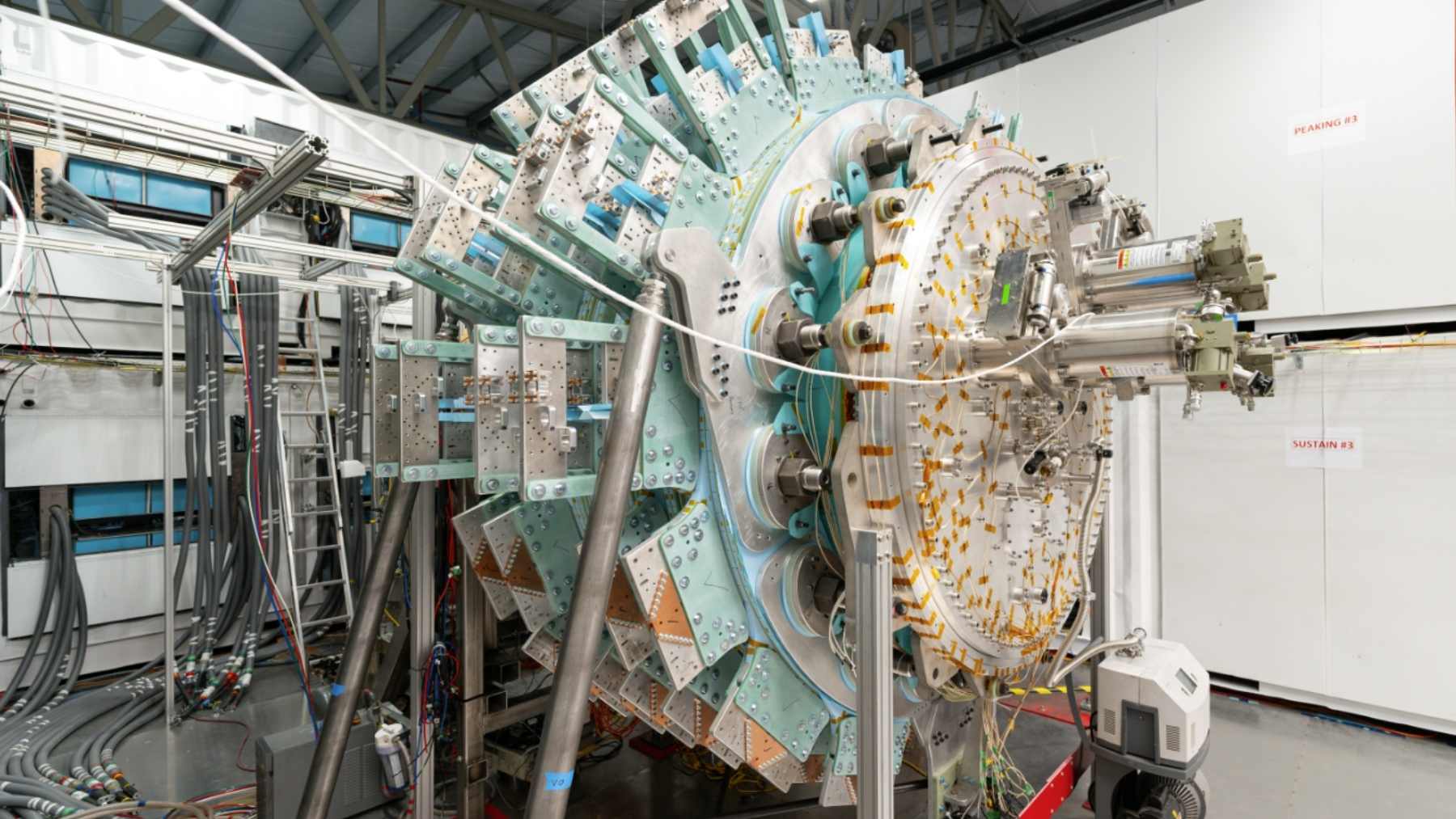
The Chixiao device, engineered in Hefei Institutes of Physical Sciences (HFIPS), Chinese Academy of Sciences (CAS), offers a pioneering approach. Named after one of China’s mythical swords because of its smooth shape, this 15.5 m long and -tone device for generating linear plasmas featuring 1024 particles m-2 s-1 can deliver continuous current for more than 24 hours.
Its build cost more than five years, determined by a team principal by Zhou Haishan. Chixiao is intended to provide reliable, rigorous testing of materials for next-generation artificial sun, Chinese Fusion Engineering Testing Reactor (CFETR).
An expert panel on January 16, 2024, approved that the technology met all design specifications, placing China as the second country (after Netherlands) to home its technology. The substantial material degradation resulting from plasma particle flow.
By replicating these experimental conditions, it allows researchers to create more durable and resilient materials, paving the way for continuous electricity generation from nuclear fusion in the future. Additionally, because the device can run for an extended time, it is a valuable tool for international research collaboration.
Digital twin revolution: China’s HL-3 Tokamak confronts fusion’s hardest trials
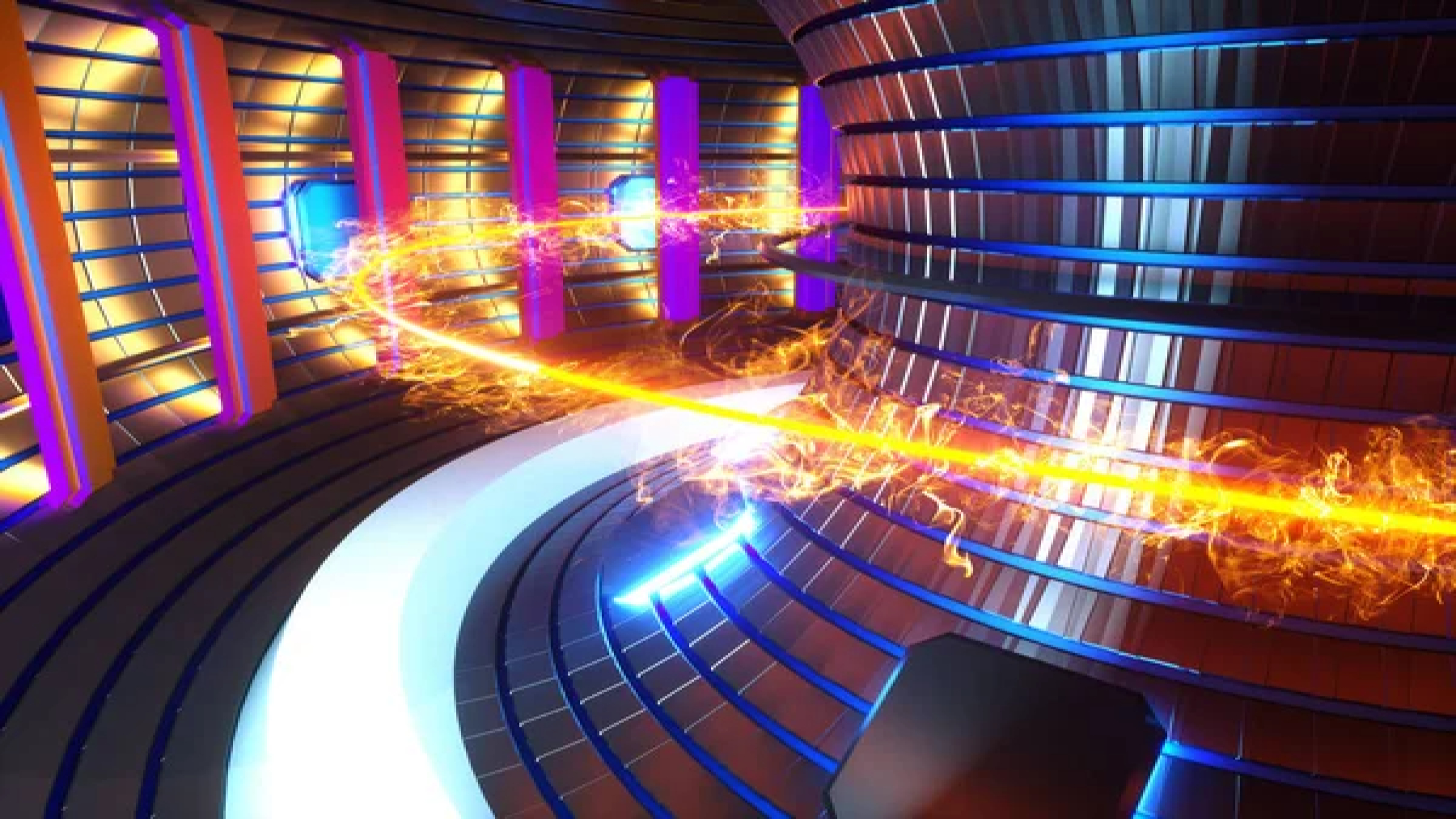
China’s artificial sun advancements don’t end with Chixiao. The state-of-the-art magnetic confinement nuclear fusion tokamak HL-3 has recently started a series of physical experiments employing a new digital twin system. This super eye technology can provide real-time monitoring and control and solve the following key issues in the fusion procedure.
A crucial task is the baking of the vacuum vessel that is necessary for plasma containment, as it ensures the target temperature condition. The digital twin architecture generates an accurate digital model of the vacuum chamber, based on heater and physical temperature sensor data, to track temperature distribution.
Using virtual sensor algorithms, it provides high accuracy and real-time feedback, thus guaranteeing closed-loop safe and stable operation of the chamber. This innovation not only improves the efficiency but also brings some understanding of the strange effect phenomenon in the plasma experiments (just like China’s challenge of producing the rarest energy on the Moon).
The capabilities of the system to detect anomalies and optimize processes are an important step toward the realization of intelligent control of fusion devices. Furthermore, the internationalization associated with the growth of HL-3s, such as International Thermonuclear Experimental Reactor (ITER), expresses its contribution to the development of global fusion research.
Chixiao & HL-3: Significant advancements that can change worldwide energy systems
The combined effects of Chixiao and HL-3 highlight that China are still conducting intensive research efforts towards the thresholds of nuclear fusion technology. Although, Chixiao is mainly concerned with material testing to meet the harsh attack of plasma, the digital twin system of HL-3 is focused on the accurate monitoring and control of fusion processes.
They address the strange effect effect observed for many years in the scientific community and suggest ways to enhance the resilience to damage of materials in terms of their durability and the resilience to degradation of their ability to operate.
None of these developments are themselves scientific revolutions, but they also have the capacity to revolutionize energy industries. Replicating the Sun’s fusion process, China and its global partners stand today to bring us closer to a future fuelled by clean, free energy – a future that may be rewriting humanity’s bond with energy and the environment.
Material and stability issues are tackled in China’s Chixiao and HL-3 tokamak which are at the forefront of the country in nuclear fusion. These innovations have the potential to disrupt energy production, and in doing so, could lead to a sustainable future involving global cooperation (just like the most powerful energy source in history on the Moon).