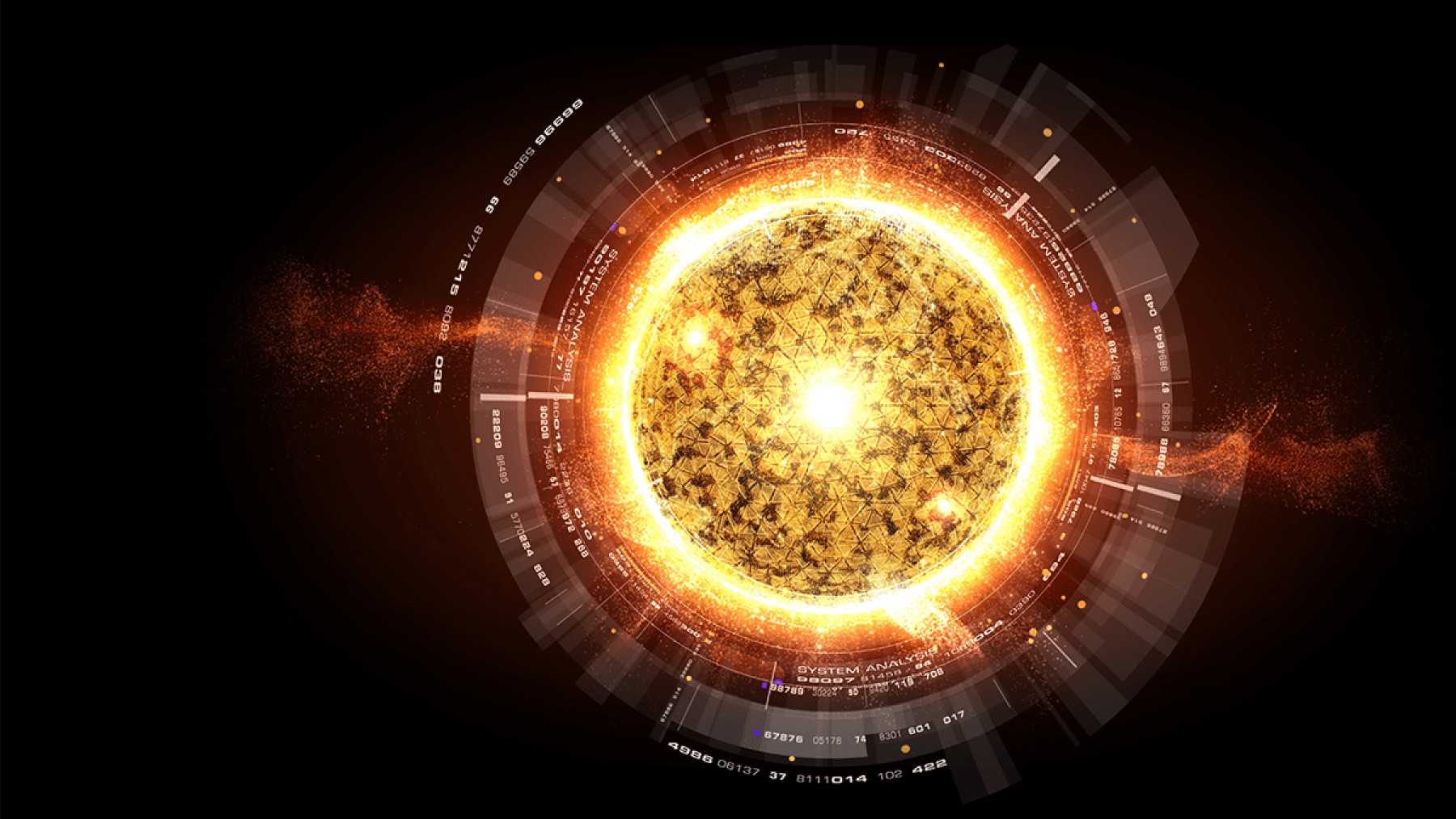
The Huanliu-3, or the HL-3 “Artificial Sun” in China, is thriving in fusion energy research with its new experiments. What is more exciting is the use of a digital twin system, which is a sophisticated virtual technology that offers real-time tracking and could be the holy grail in furthering controlled nuclear fusion.
Understanding solar energy: The contribution of HL-3 in the sustainable energy evolution
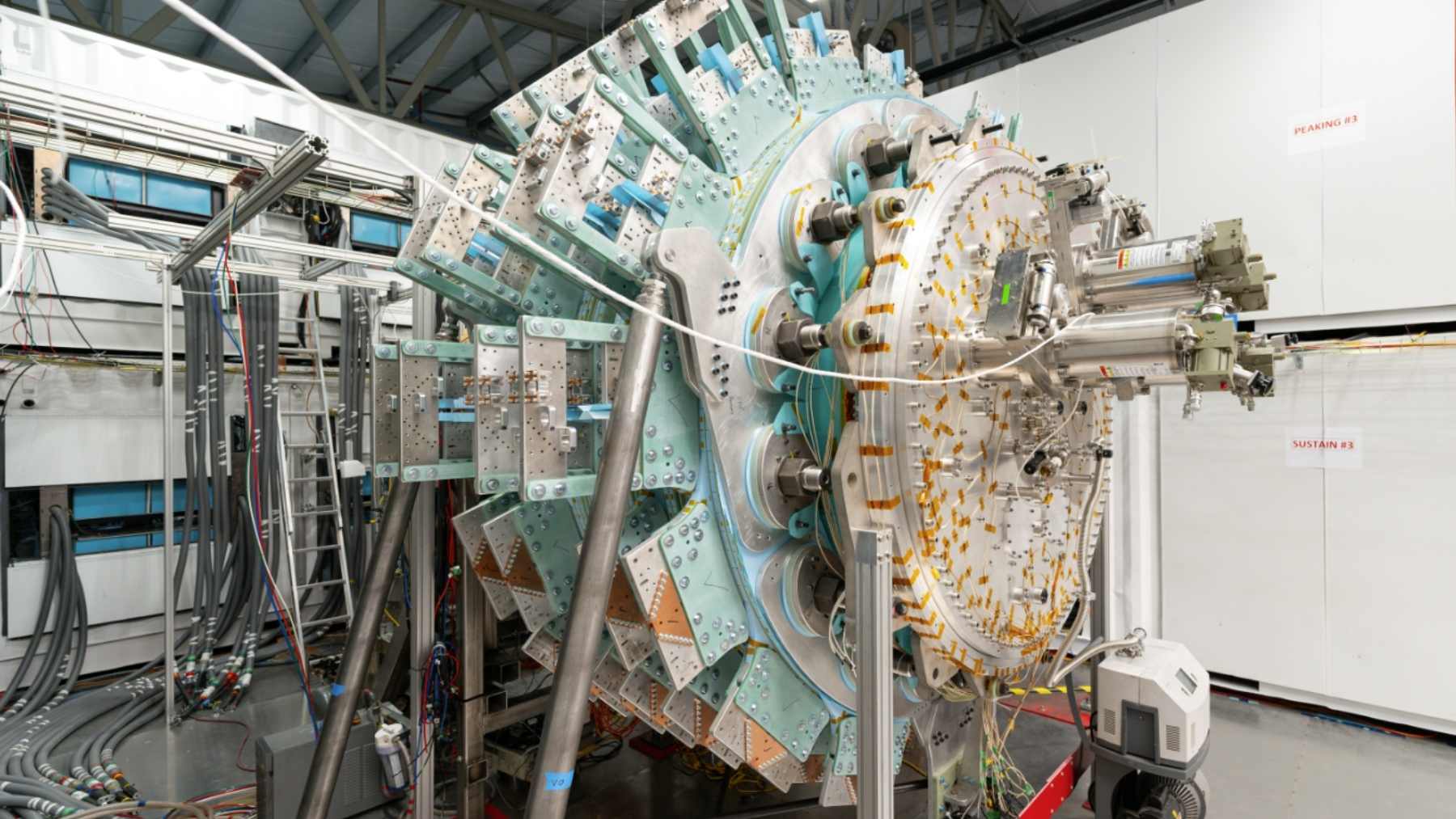
The HL-3 is the most sophisticated magnetic containment nuclear fusion research facility in China and throughout the world. It was created and manufactured by the China National Nuclear Corporation (CNNC) on plant engineering level and is intended to reproduce nuclear fusion processes like those found in the sun where inexhaustible amounts of energy is released when hydrogen atoms fuse together.
Although still in the works, HL-3 is also a leap towards developing a sustainable and clean source of energy. The operation of HL-3 is further improved through the integration of digital twin system, which is referred to as ‘super eye’ of critical processes.
This technology provides real time control of the system’s vacuum chamber whilst the latter is in its baking process, a feat that considerably increases safety and management control. Nuclear reactor in vacuum containment is critical to the nuclear fusion process since it provides the required conditions for the formation of plasma, which is a crucial state of matter for fusion enhancement reactions.
The digital twin technology reproduces the vacuum chamber in the virtually realistic manner with the help of computer graphics enabling the scientists to control and alter the parameters whenever need arises. This helps maintain the right and constant conditions favorable for most of the high energy reactions which in turn produce fusion power. The evolution of monitoring technologies of this class allows looking into the prospect of new solutions for safety issues, as HL-3 does not ease the pace of development in fusion research.
The digital twin of HL-3: A breakthrough in fusion control and supervision
One of the major breakthroughs in the new experiments undertaken in HL-3 is the digital twin system, which involves the creation of a virtual model of physical components and procedures for the purpose of monitoring temperature and other variables in real time. It serves as a sophisticated upgrade of conventional sensors capable of generating a full temperature map, thus decreasing the reaction time to the developing threat and improving accuracy.
This technology improves the stability of HL-3 in a significant way and provides a basis for more advanced intelligent controls that will be used in reactors of the future, allowing China to approach the realization of nuclear fusion technologies, and showing the advantages of combining physical and digital research on energy within one country.
China’s HL-3 strides forward in pursuit of nuclear fusion in collaboration with ITER
China’s HL-3 is making impressive progress as one of the centers for the research of Nuclear Fusion in the global scale, having opened to foreign scientists in the year 2023 and establishing connections with facilities of the level of ITER. HL-3 is in the development phase of the ITER project and provides information such as an inventive configuration of magnetic fields.
This partnership is in consideration to the ultimate objective of developing sustainable nuclear fusion which has the capacity of changing the energy landscape. With the digital twin system and other top research centers, HL-3 is leading the way in the development of fusion energy and the vision for clean energy.
The new advancements recorded in the progress of China’s HL-3 “artificial sun” project tend to shed light into the possibility for nuclear fusion energy potential as a viable source of clean energy. It is envisaged that with the use of advanced digital twin technology and increased networking of other countries, HL-3 will be a significant positive force in the advancement of nuclear fusion related activities, thus ushering in a new age of energy for mankind.