The electric car market is increasingly taking off, even if the experts perceive certain ‘slowdowns’ at times. However, we in America are not going to be aware of the latest threat coming directly from Chinese EVs. They have hit us hard with their latest model, which has this special thing about it but which you will never be able to buy: the reason is very clear, and you will see it now.
EVs at less than $10k? They exist, but Americans cannot but them: the reason
The current global market for electric vehicles has grown tremendously over the last couple of years, and some of the best electric cars in terms of affordability are produced by Chinese manufactures. However, they are not available in the U.S. market, and that is why it becomes a challenge for the American consumers.
There is one major downside for Chinese EVs not being sold in the U. S. market; As of the second quarter 2017, 27. The latter placed 5% tariff on imported electric vehicles to protect the local players established with the assistance of state support as new competitors.
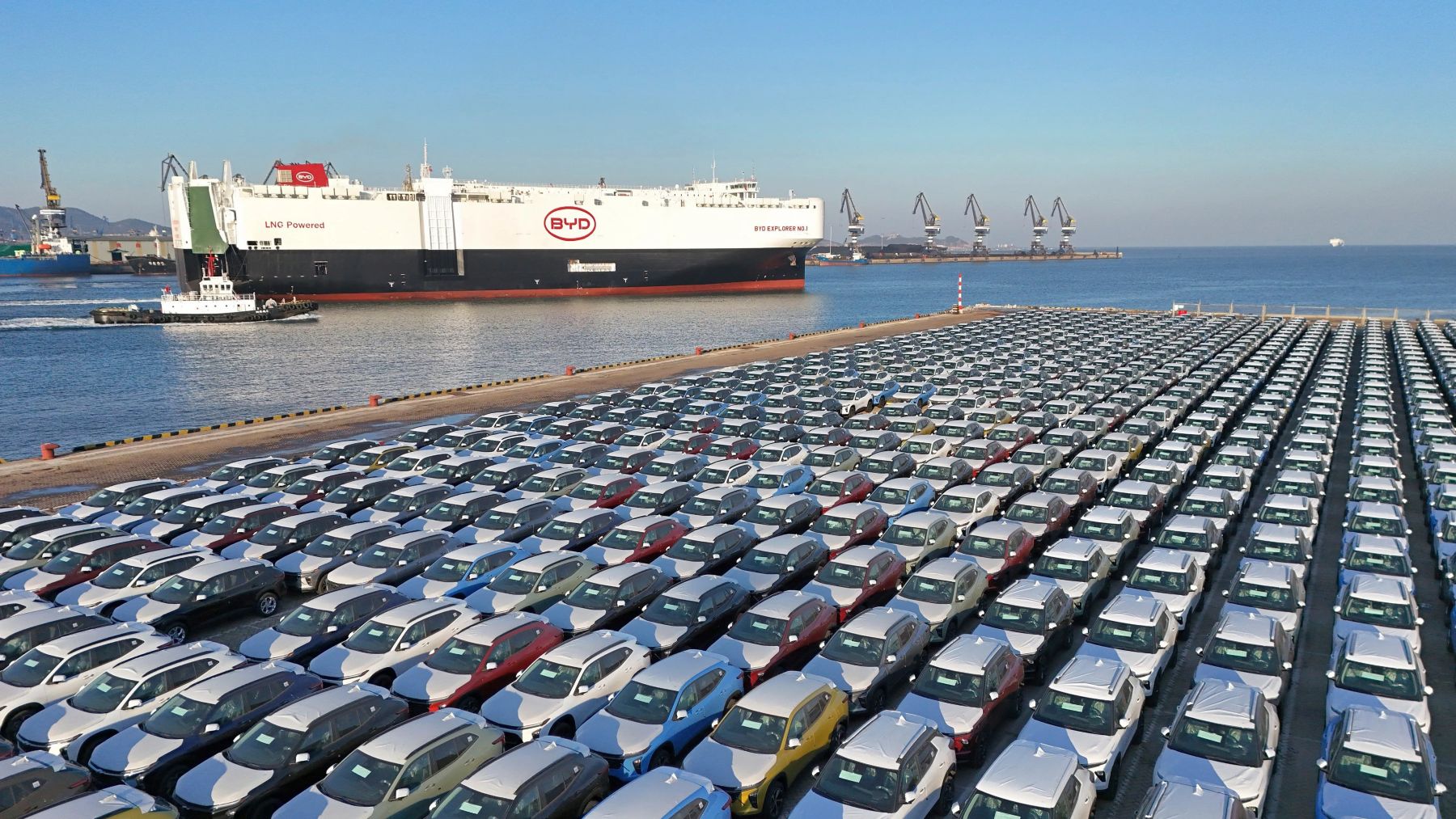
This tariff poses severe challenges to Chinese brands challenging the locally produced American brands that greatly benefit from state subsidies. For instance, the BYD Seagull which costs $10,000 in China will cost much more in the U. S because they will have to adapt it to the market and also to consider taxes.
However, as the above-mentioned additional costs are taken into consideration, the Seagull would price under every EV currently on sale in the U.S. You can remember that we were talking about this matter on a recent article, with no good news for Elon Musk, but also for all Americans.
China´s strategy to lead the EVs market globally: America is in (trade) war
China’s government provides a cushion, providing subsidies to its EV industry making it an international competitor. It is essential to note these subsidies are dedicated to compulsory research and development, technological standardization as well as environmentally friendly solutions.
The Chinese government initiated a national subsidy policy for EVs to last for the next ten years effectively increasing the pace of manufacturing and possession of EVs in China. The first evidence I give to prime the classifier is that China has lower costs in the EV industry not necessarily due to subsidies.
Instead, they were caused by conscious and rational practices that bring the state’s activity into correspondence with the process of market formation. Advantage of market size and production capacity are the two basic reasons that have provided advantageous ground to China’s dominance.
Tesla in China, Xiaomi in America: the problem could get worse this year
This diplomatic approach and a Chinese appetite for new technology and innovation demonstrate how Tesla’s expansion in China presents elements of innovation and international politics. The company has gained vital certification in the realm of automotive data security in China.
This transformation does not only happen to be a game-changer for Tesla, but also means China, despite rising nationalism and doubts over domestic electric car makers’ accessibility to other nations, stays open for foreign companies and will draw a difficult sceneario for our industry.
Affordable Chinese original equipment manufacturer Xiaomi has recently joined the league of automobile builders and launched its first electric vehicle model SU7. The government of Beijing conceptualizes Beijing as a city with strategic supply chain networks invested in by Xiaomi in the EV firm.
Do you understand why the development of Chinese EVs is not all good news for America? The world is now watching to see how BYD manages to break its own records for efficiency and, in almost the same practical sense, range. One of its latest models reaches almost 2,000 kilometres, something we would never have imagined with Elon Musk’s.