Climate change has caused us to experience superstorms that have ravaged our country from east to west. We saw it with Elliot and Sandy, but in 2023 we experienced something worse without knowing it. Most pessimistic of all, the same thing will happen this year, although it looks like it will be even more intense.
Climate change worsens: a new hurricane category will soon have to be created
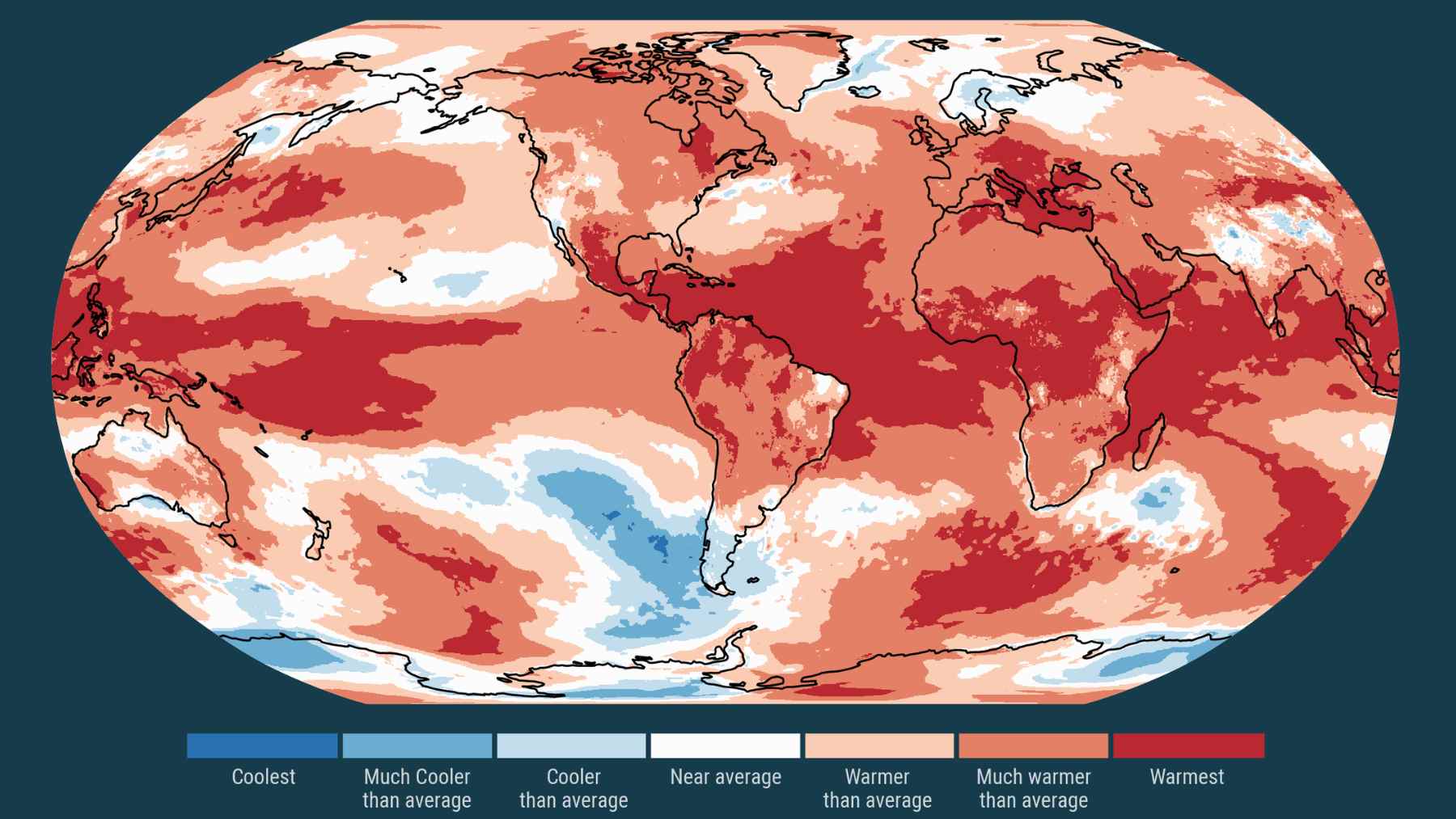
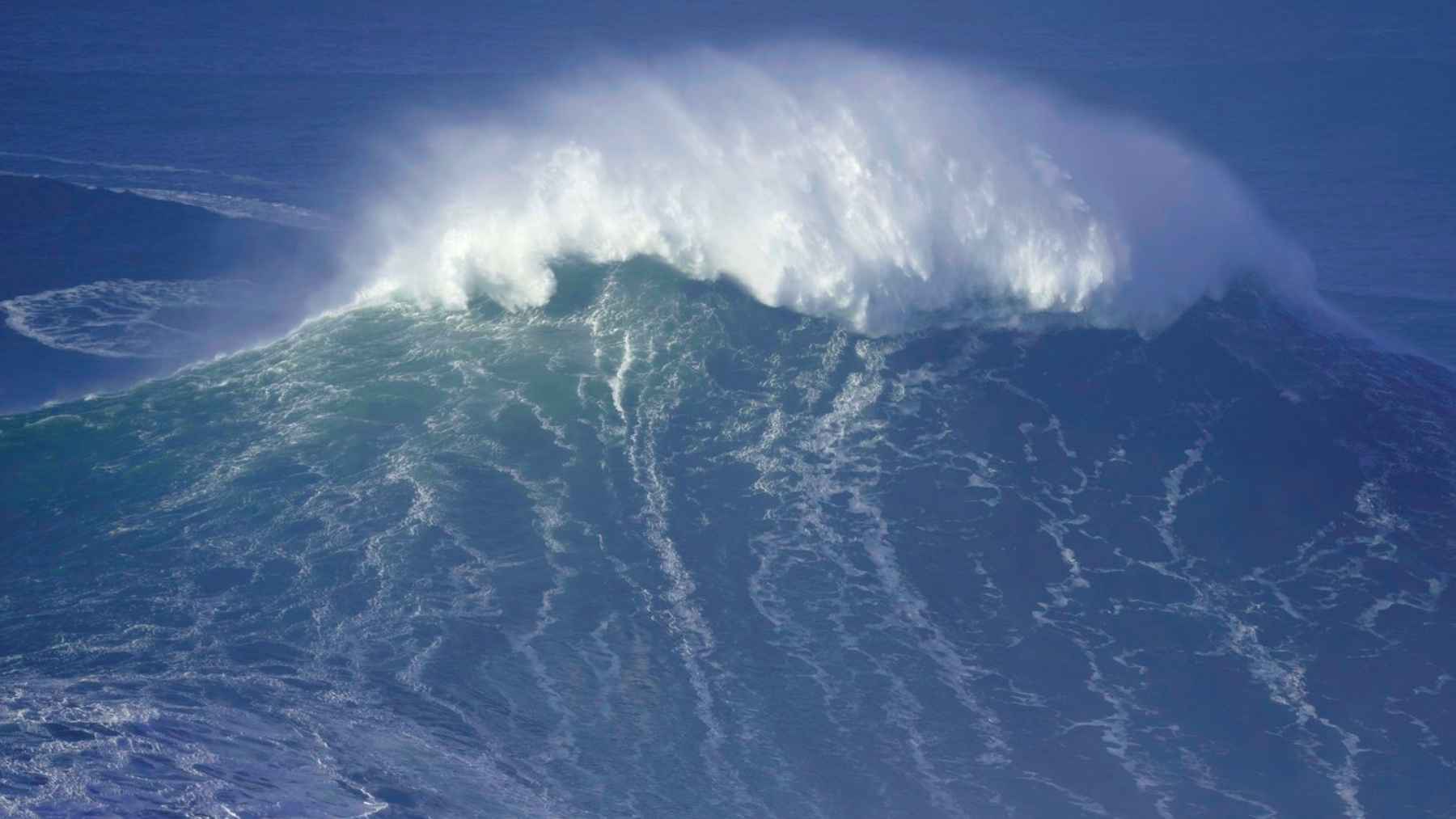
Climate scientists state that warmer ocean temperatures cause more devastating hurricanes and tropical storms. Therefore, it is stated that new hurricane intensity categories may need to be added beyond the maximum Category 5 so that the strongest future storms could be classified as such.
Category 5 hurricanes are already classified above 157 mph that are capable of unimaginable devastation. However a recent study suggests that tropical cyclones are intensifying at a faster rate, maintaining higher winds speeds, and dumping more rainfall because of warmer ocean surface temperatures.
A few experts contend that Category 6 or even Category 7 designations might be required for storms whose winds go beyond 175 or 200 mph. Although rare, these very powerful cyclones happened, such as in the case of Super Typhoon Haiyan which hit the Philippines in 2013 at 195 mph.
A situation worse than Elliot and Sandy: lack of snow in US worries
The winter storms of 2022-2023 had high winds, heavy precipitation, flooding, etc in some parts of the United States. Hurricanes as the Sandy 2012 and Elliot 2022 also wreaked havoc. Nevertheless, the insufficiency of snowfall registered this winter in some areas of the country could become even more challenging.
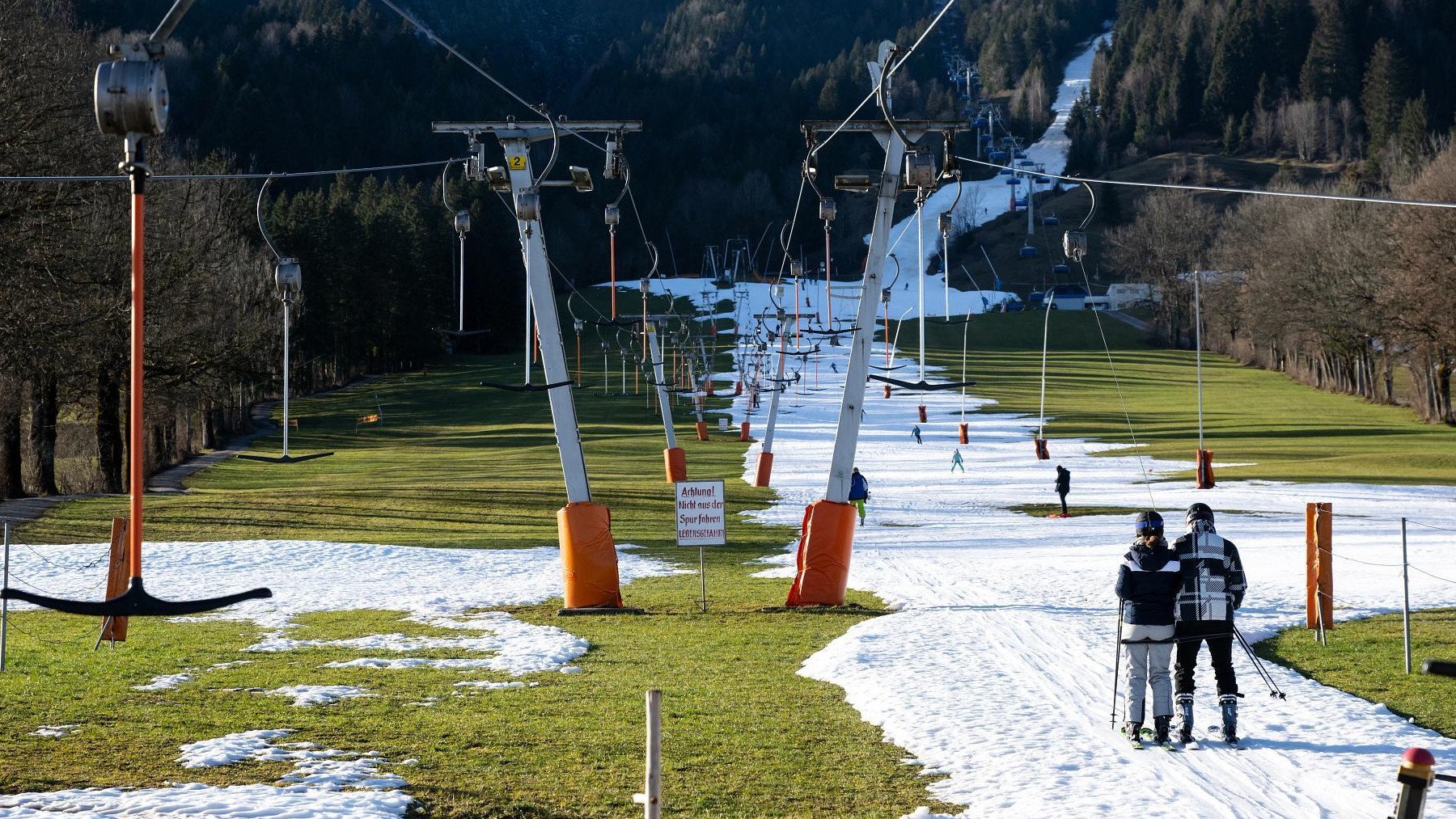
The Western United States regions are having well below normal snowpack. More than 50% of the snow water equivalent has been lost in large areas. This is very abnormal and worrying.
Different from the blizzards or hurricanes which go away, the minimal snowpack remains for all winter. There is cumulative effect of all the effects that build-up over time and give rise to worrying implications such as water supply, and wildfires.
With the lack of snowpack there will be less water to flow into reservoirs and aquifers. the farmers and the cities could be faced with shortages next summer. Drier conditions as well increase the likelihood for wildfires.
Lack of snow will be worse than winter storms: here’s what could happen
The snowpack in many regions of the US is declining. Its impacts will be more devastating than the major winter storms such as Sandy and Elliot. Snow works as a natural reservoir, collecting water in the winter and dripping gradually in spring and summer.
Contaminants reduce the vital natural storage and threaten water supplies, food production, hydropower generation and more across wide areas of the country. Scientists investigate the snowpack dense in areas populated by millions of people such as Los Angeles, Las Vegas, Phoenix, Houston, Atlanta, and Washington D.C.
A decrease in the snow cover might total a reduction of the total drinking water and agriculture supplies in these places. Less snowmelt in the spring too decreases hydropower capabilities in the West.
Moreover, late season snowpack mitigates wildfire risk keeping soil and vegetation moist into the summer. Less snow, therefore, makes hotter and drier conditions, exacerbating the length of fire seasons.
Fires destroy property, habitats and impair air quality resulting to threaten human health. Major storms like hurricanes Sandy and Elliot, which attract public attention for their intensity, may be forgotten as the insidious decline of snowpack quietly raises critical concerns for many American communities in the future.
Clearly, by now, we all know that we are taking climate change too far. The federal government has tried to mitigate the effects of superstorms and rebuild those communities that are left desolate, but what will we do when there is no snow at all? The scenario is worrisome, we are sure.