The extinction of animal species is a problem that occurs on all five continents, with some areas particularly affected (the Amazon or the tundras). This phenomenon has been worrying scientists for decades, although, paradoxically, the proposed solution is the one that is generating the most concern right now. Why is everyone talking about cloning right now? A group of experts has just laid the groundwork for what will be as controversial a practice as that Dolly experiment that everyone remembers.
Experts are restoring life on Earth: The solution is controversial and science-fictional
Faced with the alarming rate of species decline around the world, scientists have turned to an innovative and controversial solution: reproduction. In the midst of vain attempts on the part of different scientists, cloning technologies have been applied to revive nearly extinct species of animals.
Perhaps, one of the most publicized cloning projects is that which is being conducted in the effort to preserve the black-footed ferret. Formally declared extinct in the wild, this small weasel-like marsupial was successfully brought back from extinction by an intensive conservation campaign.
In October 2024, cells of a black-footed ferret named Noreen, which had been preserved for 15 years, were used by a team of scientists at the Smithsonian Conservation Biology Institute to clone another black-footed ferret. This is the first time an extinct wild species is being cloned, and this has been made possible due to this historic breakthrough.
This scientist is clear about cloning: “We have the first results”, but this has happened
Indeed, cloning acts as a positive influence and backing to support genetic variation in black-footed ferrets, according to Dr. Antonia Monteiro, the project leader. Thus, by reconnecting and being genetically similar to higher performers, species can be strengthened and made healthier.
The cloned ferret is named Elizabeth, was born in a laboratory, and, is now living with other cloned ferrets under specific care from conservation experts. When Elizabeth reaches a suitable age for breeding, she and other cloned ferrets will be released into the wild, supplementing the wild population.
What can we achieve by cloning animals? Experts have unveiled their future plans
More on the cloning of black-footed ferrets is under development, and the researchers are observing the physical and developmental states of the cloned black-footed ferrets. They are also trying to find the ways to add other endangered species, like the rhino of Sumatra and the vaquita porpoise, to the program.
Though, one has to understand the ethical and ecological aspects of cloning before moving forward with the technology. Being used by other people, the original genes may have adverse effects on cloned individuals, while cloning puts the genes with all the possible pathologies into new environments, upsetting the balance of ecosystems, or is used for commercial or recreational goals.
Despite the recent enthusiasm created by projects in cloning, such as the black-footed ferret, the specialists’ opinion is unanimous: cloning should be used only as the last resort for species preservation. This process is very costly and laborious, so “it is not a panacea for solving the problem of the extermination of species by people,” said the conservation biologist at Paso Pacifico.
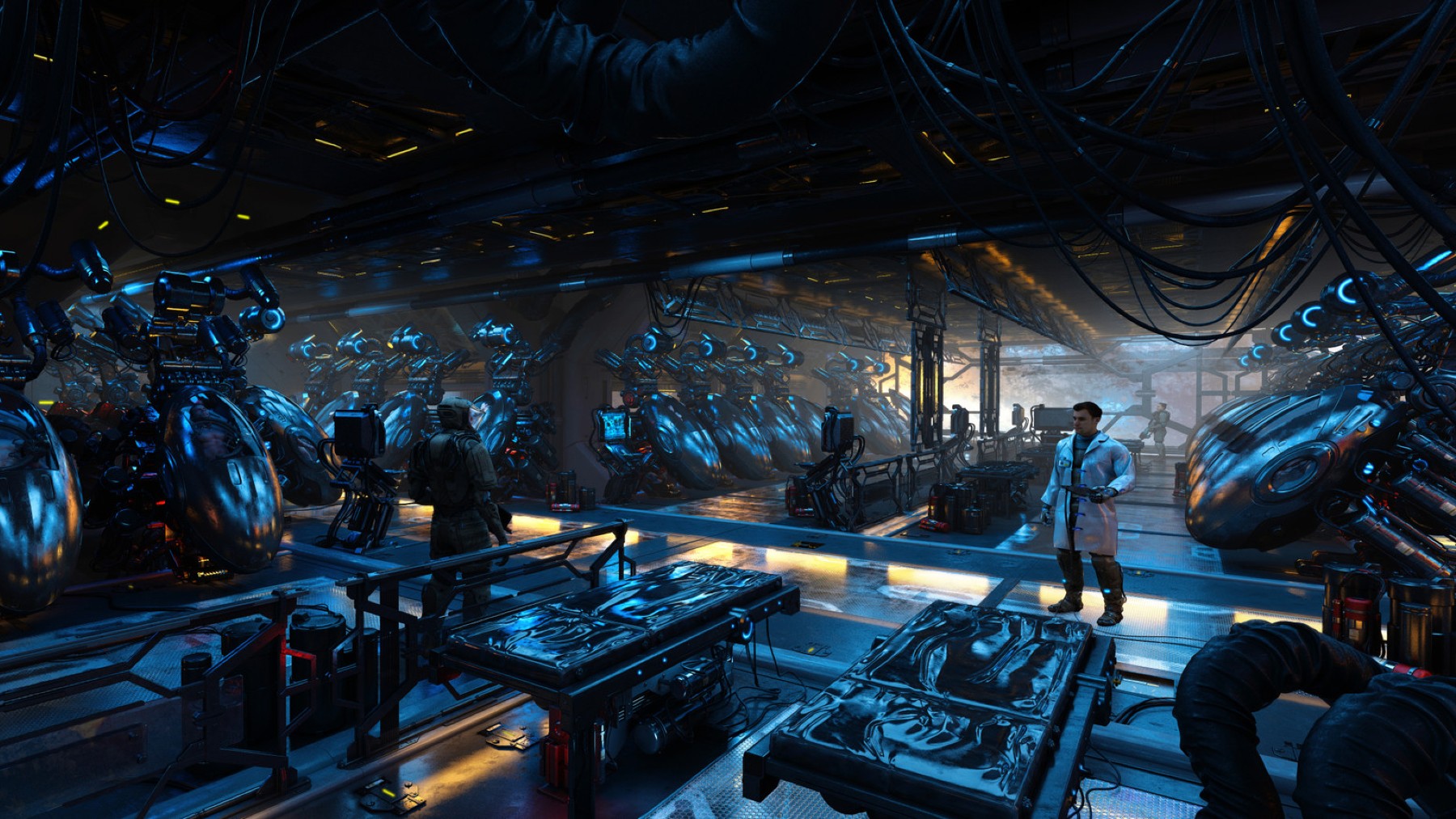
The use of the isolation technique should only be recommended when all the other techniques are not applicable, while the process of cloning a species involves several key steps::
- Extracting quality stem cells from a deceased person.
- One of the activities involves moving the cell nucleus into an egg cell, leading to the formation of an embryo.
- The last procedure that needs to be carried out is placing the embryo with a surrogate mother.
- Growing the cloned individual to adulthood.
Do you think cloning is really an opportunity to save animals from extinction? We have even seen laboratories that “create” more than 500 every day and have been singled out by environmentalists for overstepping moral boundaries. In America, we are more familiar with this type of procedure, but in the rest of the world, it is still a controversial topic (well, here it is also somewhat controversial). Whether it becomes a solution for the future remains to be seen, but there is still time.