The ecological transition in America is advancing by leaps and bounds, and there are thousands of projects that seek to generate energy with the sun, wind and even water. However, everything has just turned upside down with what experts have discovered: this state has 95% of the country’s “new energy“, and they have already presented the first plan to extract it, even if it means drilling into the ground and causing what could be real chaos.
America is in shock with the latest discovery: This state has 95 % of all the “new energy” in America
The state that is most advanced in tapping such a cheap source of energy is Colorado, due to the huge deposits of geothermal energy that are found beneath the surface of the earth. Surprisingly, the state has the capacity to contain 95 percent of the geothermal energy potential of the United States of America.
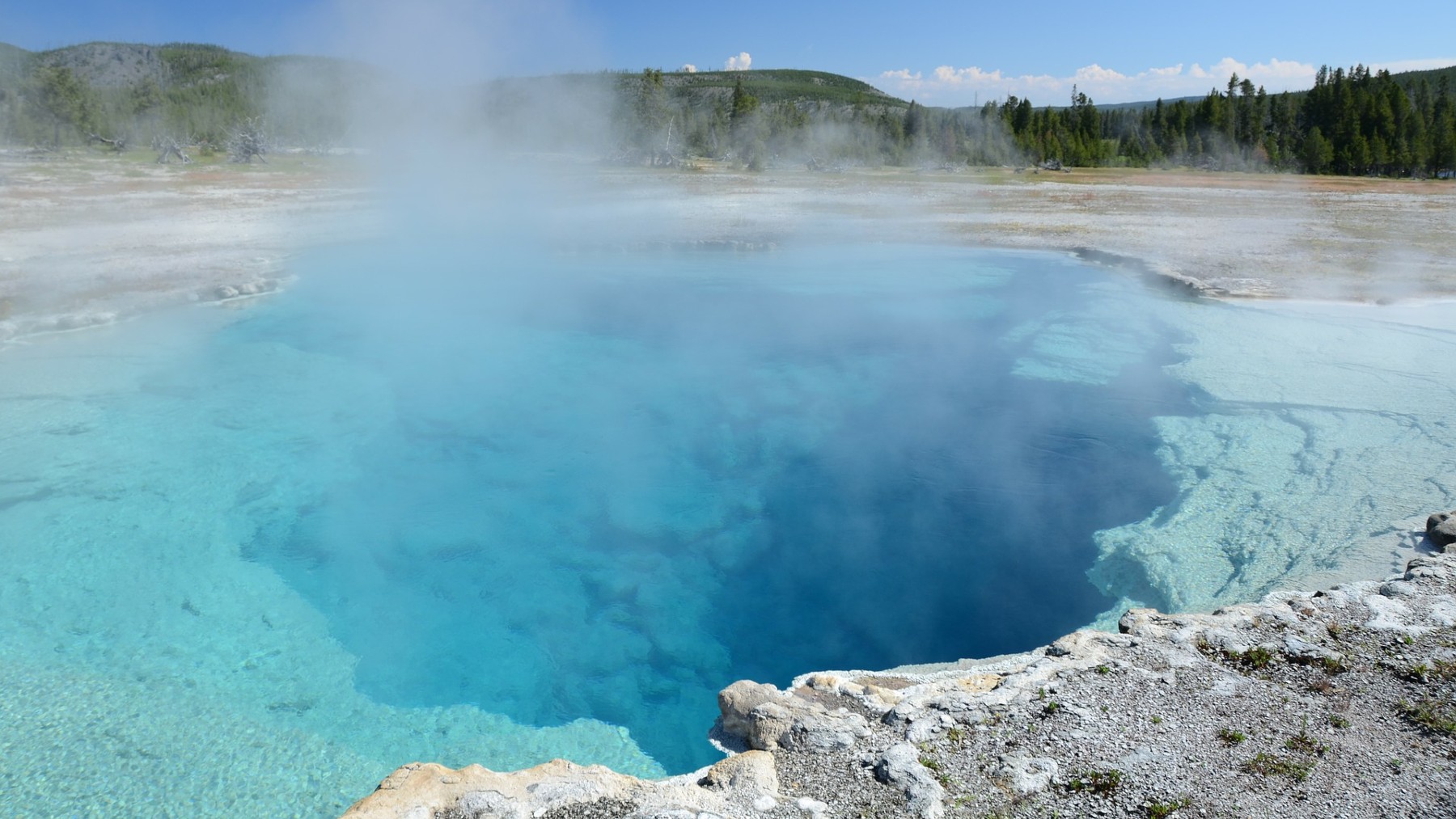
This renewable and sustainable energy source will therefore help Colorado in the future as the country embraces clean energy. Geothermal energy is defined as the heat energy that is naturally produced and available in the earth’s crust as well as the mantle. This heat is inherent due to the formation of the planet and the constant decay of minerals through radioactivity.
The farther downwards you dig, the warmer it gets – this is the geothermal gradient, in simple words. This is because at shallow depths, the earth has zero heat fluctuations, and this can be used as a method of heating and cooling buildings as conducted by the geothermal heat pumps.
Where deep temperatures are higher, the heat can be recovered and put to direct uses like space heating, industrial use, electric power production, etc. According to the DOIDGE estimate, the geothermal power potential of Colorado is 95% of the total for the United States, making it a crucial player in future electricity generation in the country.
Colorado geothermal energy, in 5 projects: How the ground in this state is going to be drilled
Colorado has been at the forefront of the exploration and use of geothermal energy in the United States of America. There are many creative activities in the state that illustrate the prospects of this renewable source.
Colorado State Capitol Geothermal Project
The Colorado State Capitol building did it in 2013, when it became the first state capitol in the United States to be cooled by a geothermal system. This included drilling two wells of 850 feet each and putting in place a heat pump system for use in heating and cooling the building.
Grant for Geothermal Projects in Small Towns
The Colorado Energy Office and Governor Jared Polis revealed in 2024 that $7.7 million in grants for 35 projects that showcase the utilization of geothermal resources across the state. These small-scale projects underway in small towns and rural areas are testing the application of geothermal for heating, cooling, and possibly power.
Sales Promotion and Advertisement for Geothermal Systems in Homes and Businesses
From neighborhoods to offices all over Colorado, people have shifted to benefiting from the use of geothermal heat pumps for heating their homes and cooling their buildings. These systems, which utilize the stable subterranean temperatures of the earth, can save up to 80 percent compared to conventional energy systems.
Geothermal Resorts and Aquaculture
The utilization of geothermal resources in Colorado has also been used for recreational purposes and also in farming. It has many hot springs resorts, like the hot springs pool in Glenwood Springs, which attracts millions of visitors locally and internationally. This living water is still in use in the Alamosa area in several warm water aquaculture stations for stockfish.
The discovery of Colorado geothermal energy, as you can imagine, is a huge breakthrough in the ecological transition. Could it be the solution to end the dreaded nuclear and, incidentally, Alaska’s oil drilling? It may not go that far, remember that it is a source that requires a certain amount of time to extract, although it could represent a qualitative leap to the same level as hydrogen (well, it depends on the color we produce, you know).