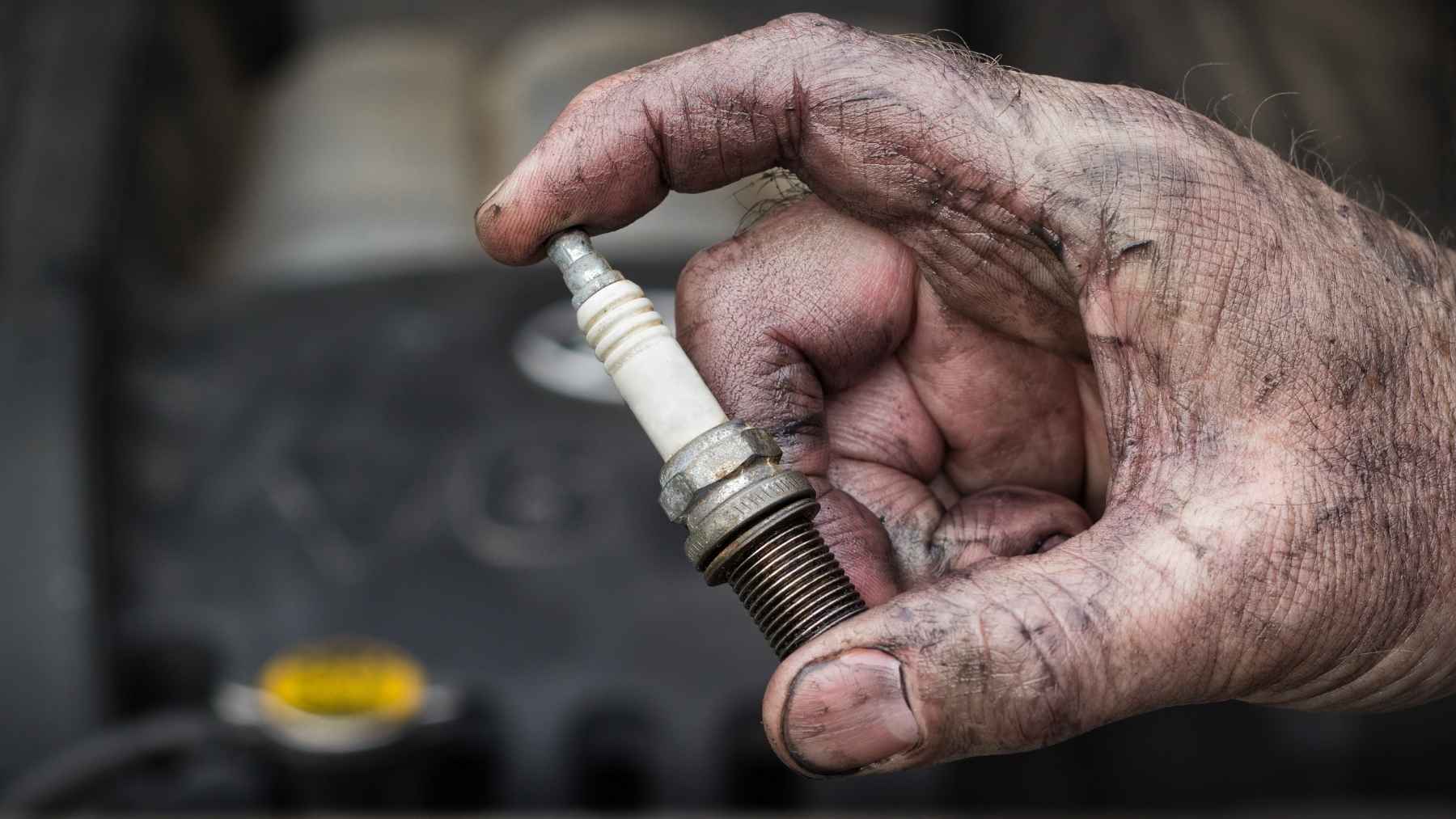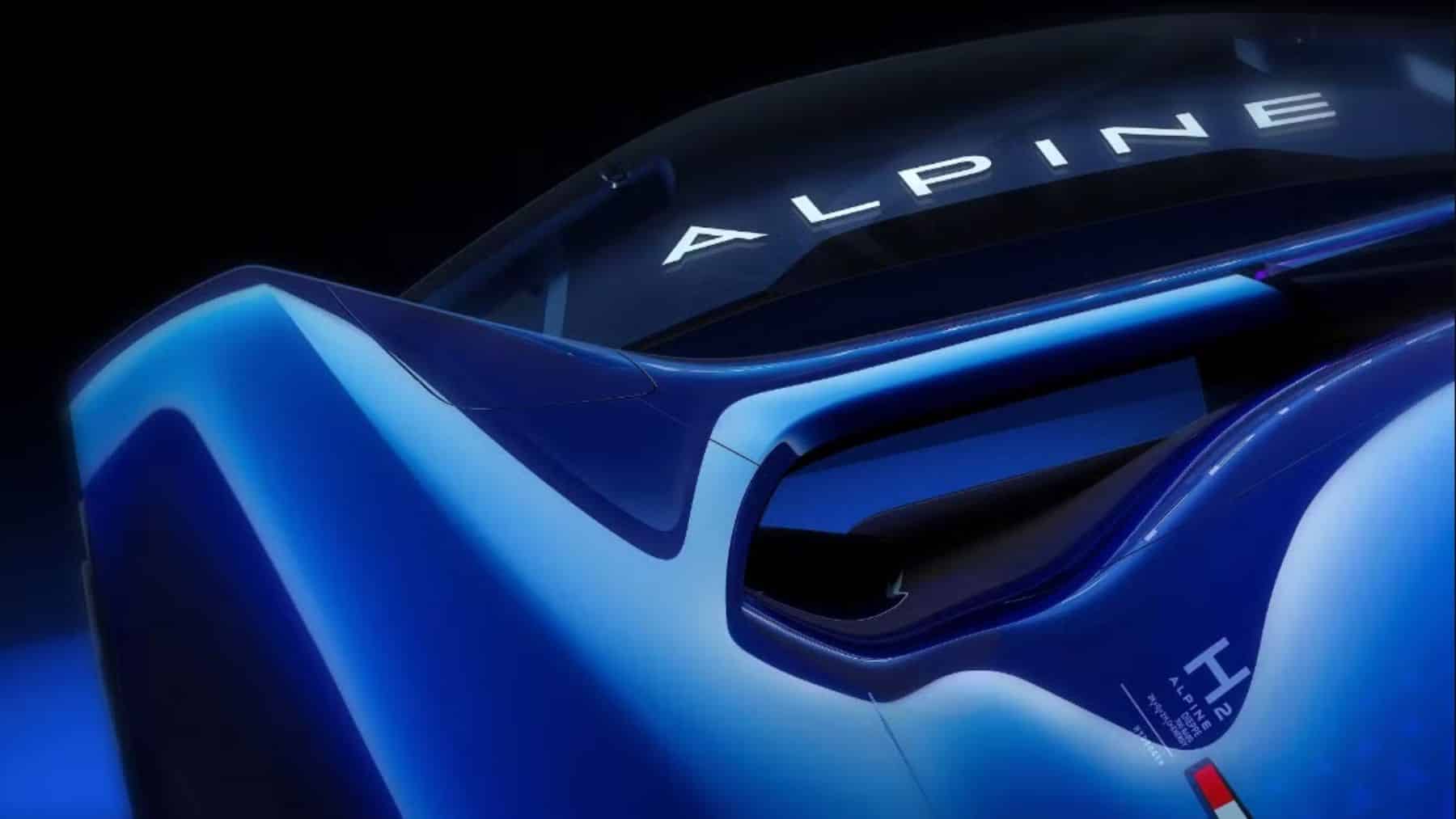
Combustion cars can be a friend to cleaner environmental goals and not an enemy. Pierre-Jean Tardy, Alpine’s hydrogen engine world leader, mentioned in an interview with Autoblog.NL that although combustion technology is seen as going against the core principles of sustainability, this narrative does not hold true. According to Tardy, we should still keep the internal combustion engine (ICE) in mind, but only if these combustion engines are powered by fuels like hydrogen.
Blaming the fuel and not the combustion engine
If Tardy’s view is considered, combustion engines are not what we should aim to get rid of. We should instead reevaluate the fuel we are using and perhaps look towards hydrogen, as this zero-carbon fuel is what is needed to keep the combustion engine dream alive.
Despite global regulators looking to do away with diesel and petrol engines, Alpine, as well as other leading automakers, are going down the route of seeking out hydrogen combustion as the best alternative engine type.
Why hydrogen engines seem to be sought out is because they work in much the same way as gasoline-powered engines; however, hydrogen is burned instead of hydrocarbons. In the process, water vapor tends to be released. The hydrogen combined with water leads to water vapor, and as such, these hydrogen engines are leading the zero-emission future. It is important to note that hydrogen combustion does still produce nitrogen oxides (NOx), however, there are a considerable number of ways to reduce the NOx from being produced. Making use of water injection, lean-burn mixtures, and after-treatment systems has all been suggested to lower NOx emission levels.
The hydrogen engine reality in relation to EVs
Although EVs have mostly dominated the conversation on how to decarbonize the transport sector, hydrogen combustion engines can stand in as a stark contender in the race to decarbonize the way we travel.
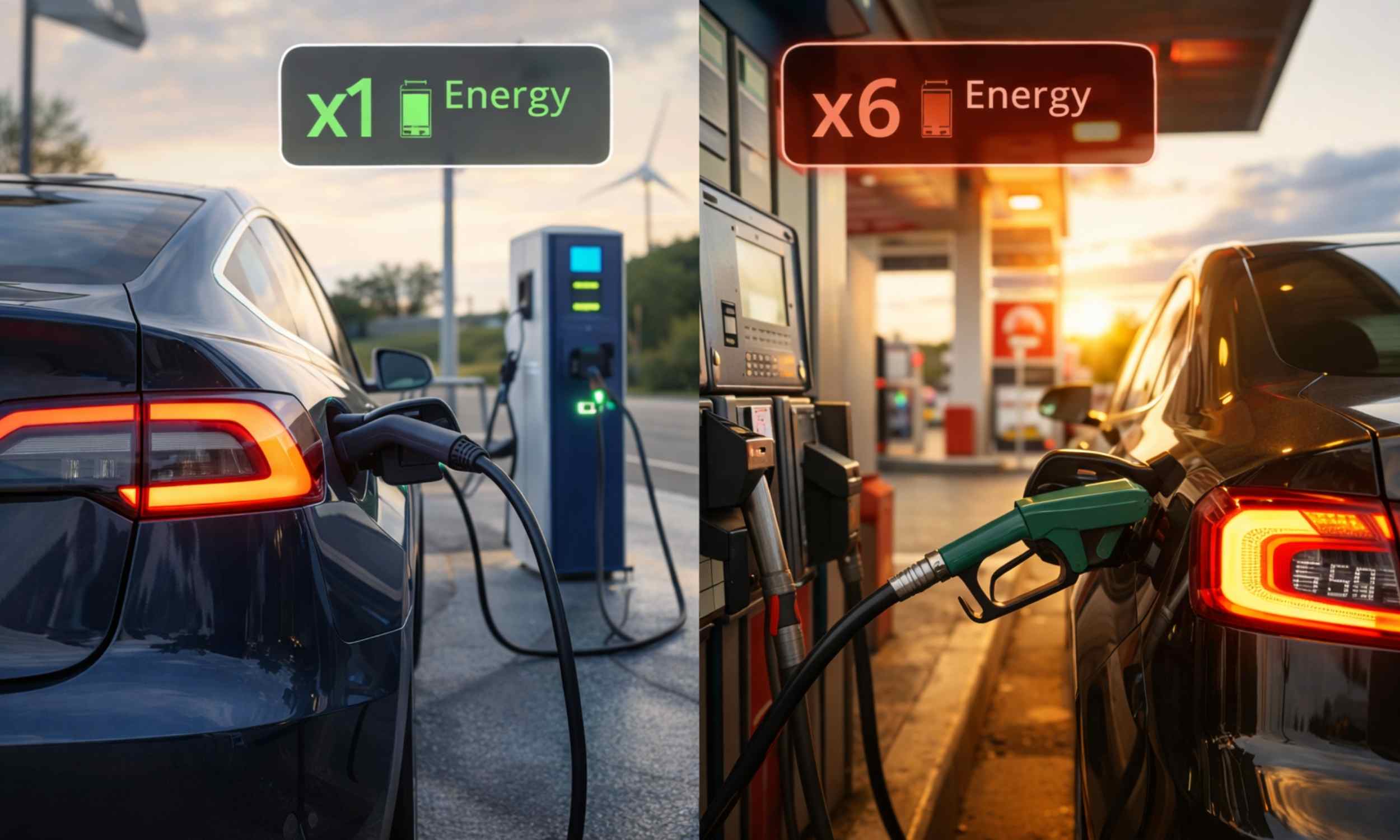
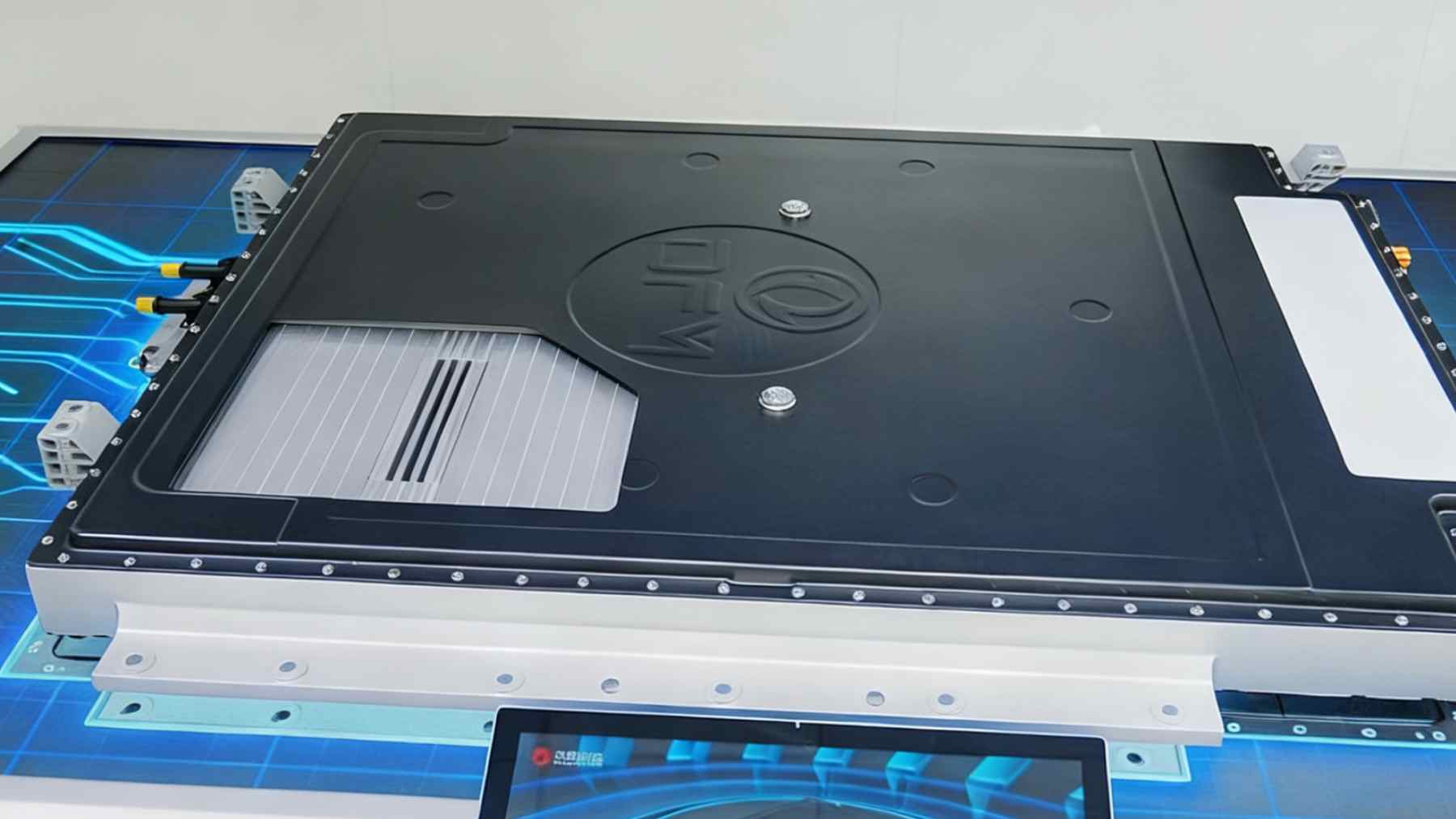
With EVs, the environmental impact caused when charging these vehicles cannot be avoided. If the electricity used to charge these electric vehicles comes from coal, the whole plot is lost. EV batteries also seem to pose a problem for the environment, featuring larger amounts of cobalt, lithium, and rare earth elements. While these elements are not bad, the mining process of these rare minerals does impact the environment and releases a lot of CO2 into the environment.
Hydrogen combustion engines stand out as they do not need batteries. Hydrogen combustion may be the solution to creating vehicles that keep high performance in mind while adapting to the clean energy game. Toyota is also embracing the concept of the combustion engine by utilizing a combustion engine that has zero emissions, which produces only water vapor. Toyota has chosen to race its hydrogen-powered versions of the GR Corolla and the GR Yaris models.
Driving towards a clean mobility future
Perhaps Tardy was right. There is no one set solution to the dream of a clean mobility future. Hydrogen may not be the only power source to provide a solution, but electric vehicles, too, cannot be seen as the only solution. More solutions need to be considered before the 2035 ban comes into play.
With Europe advancing to the 2035 ban on diesel and petrol cars, many companies are considering alternative fuel options. It is clear that hydrogen is the fuel for performance; however, other countries are looking beyond just hydrogen as the solution. Germany is already tired of hydrogen solutions and is looking at engines powered 100% by an alternative fuel option.
Although many engineers and car manufacturing brands advocate for the combustion engine with an alternate fuel, whether hydrogen will be the fuel to provide a feasible solution or not is yet to be seen. However, it can be said that the main problem or enemy preventing a cleaner environment surely is the fuel.