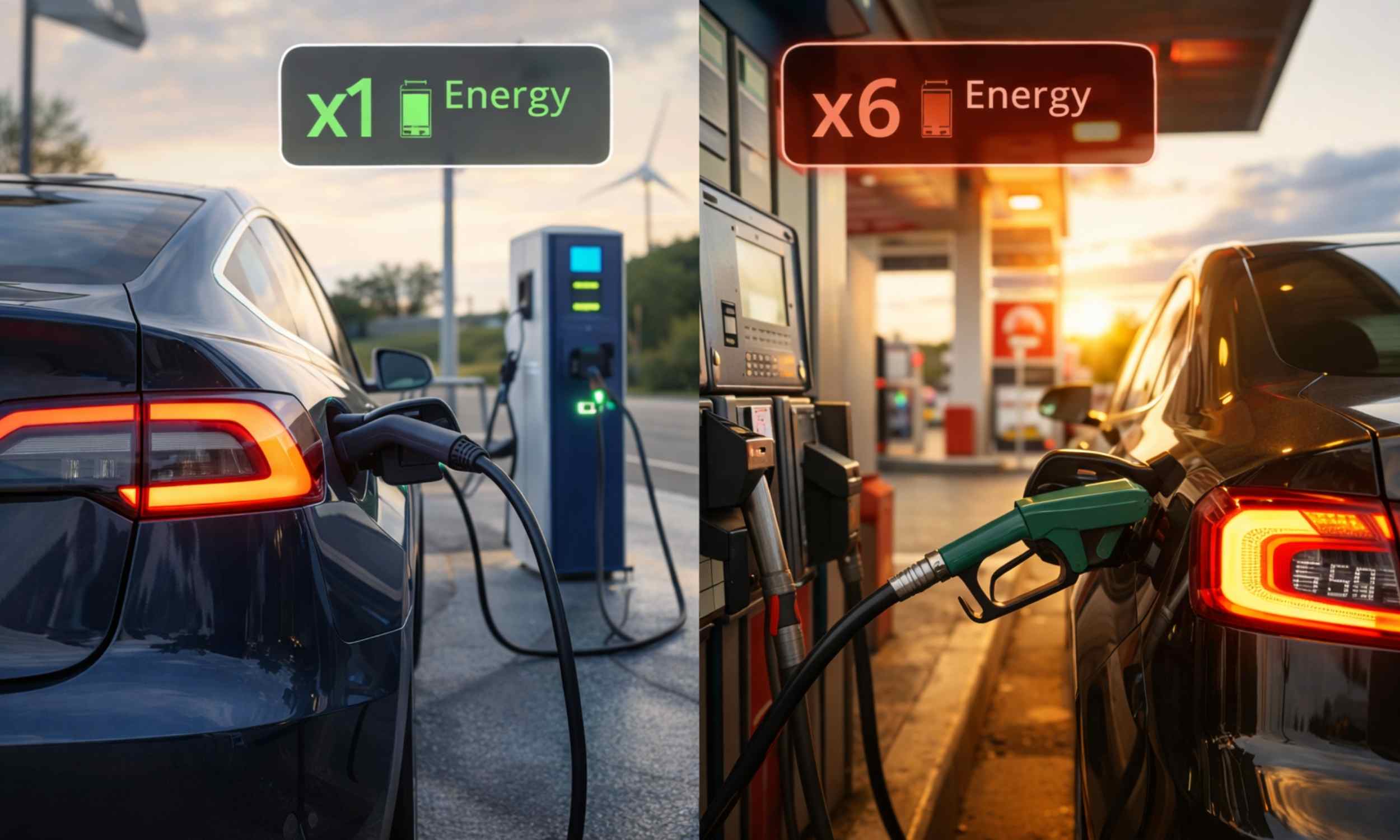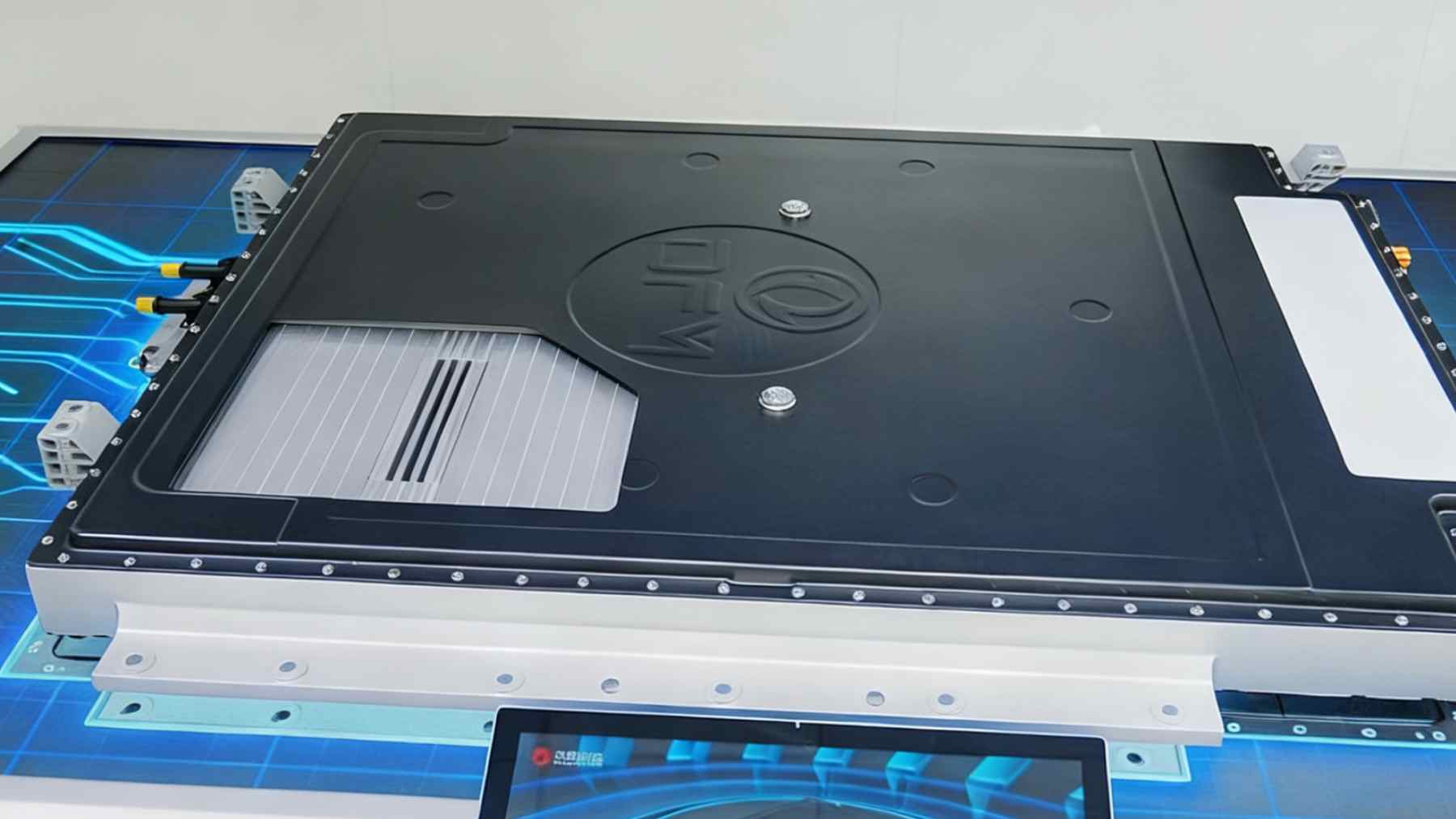
Experts are unclear about what the fuel of the future is, although everything seems to point to it being somewhere between EVs and hydrogen (FCEVs). However, there are still brands that intend to innovate in a different direction, such as the Finnish Wärtsilä, Volkswagen or one you know well that you haven’t heard from for a long time. They have just unveiled a new engine that runs on a fuel that is as unknown as it is powerful and almost experimental. The most curious thing of all? Some have called it ‘invisible and floating’.
Hydrogen could be the future, but not for this legendary brand: They have a better fuel
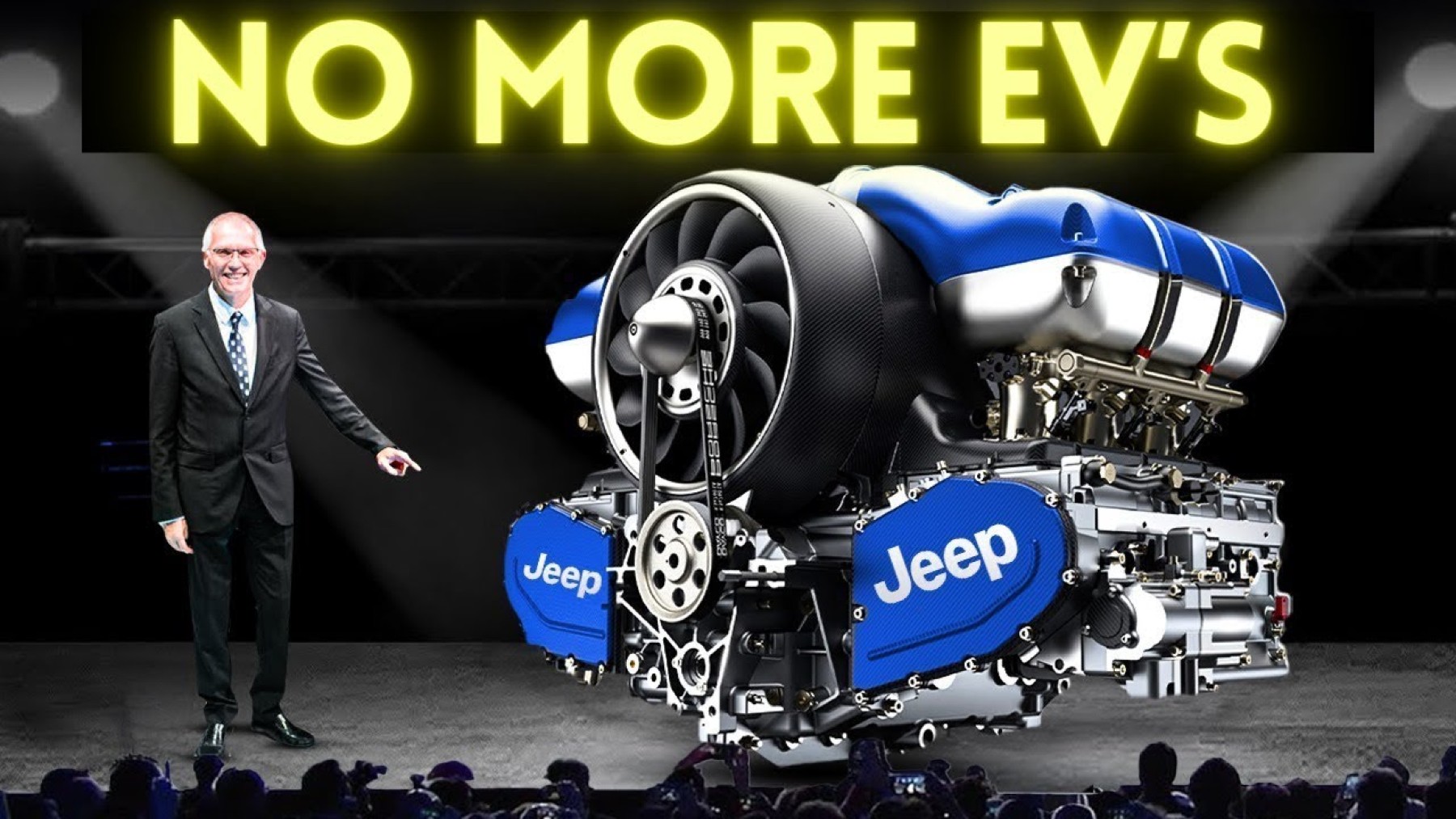
The automotive industry is dynamic, and Jeep, in conjunction with its siblings from Stellantis, Ram and Dodge, is ready to unveil a new generation of a game-changing engine for their vehicles. New from the Hurricane engine brand is a twin-turbocharged inline-six, which is seen as a progressive evolution in terms of efficiency, performance and usability.
The Hurricane engine is a 3.0-liter twin-turbocharged inline-six-cylinder engine meant to step into the shoes of the larger V-8 engines in cars, yet perform admirably well and more efficiently. The compact layout of this engine is a hallmark of modern automotive engineering, as several advanced features have been integrated within it.
What about its main features? We’ll give you six:
- Inline-six for keeping all parts in motion.
- Turbochargers for twin power as well as fuel efficiency.
- Direct Fuel Injection System.
- Two overhead camshafts.
- Cylinder linings by plasma transfer wire arc.
- Low-friction timing chains.
Not a “simple flying power”: Jeep is clear about the new fuel that is being developed
Hurricane engine was not created as a mere simple flying power; it was more complex than that, as the steps below dictate. Stellantis engineers were prompted to engineer a powerplant that is capable of satisfying the needs of the contemporary automobile while being forced to conform to ever-tightening emission standards.
The Hurricane engine is available in two primary configurations: Standard Output (SO) and High Output (HO). Here, you can get a glimpse of the main features of each one:
- Power: More than 400 horsepower.
- Torque: 450 lb-ft.
- Fuel efficiency: This can be up to 15 % better than large engines.
What about the High Output (HO) Version? Some details have also been unveiled:
- Power: More than 500 horsepower.
- Torque: 475 lb-ft.
- Fuel efficiency: Improving power density by as much as 13 percent more than large engines.
New fuel, unseen features and efficiency: The Jeep Hurricane engine and future plans for commercialization
Hurricane powertrain is an important part of the Stellantis vision of the future of their car manufacturing and is planned to become a rather vital aspect of it in the coming years. The company plans to extend the transition from the traditional higher end and older V-8 engine to the new Hurricane in virtually all brands and categories.
- The first implementation was in Jeep, Ram brand cars
- Extension to other brands and car models of the Stellantis group
- Possible applicability on hybrid and electrified powertrains regulated
- Further improvements and enhancements in order to adapt, possibly, for future requirements of emission limits
It also provides better efficiency and performance in the short term, while Stellantis builds a lineup of full-electric vehicles.
This new Jeep Hurricane engine could be a reinvention of the mythical prototype they developed years ago, but for us, it means much more than that. It’s a demonstration that not all the future will be in hydrogen, with other alternatives being tested in recent times. One of them is also compressed air, or even ammonia, which is being tested in Europe and Asia, respectively, and could land in America if any brand reaches that level of innovation.