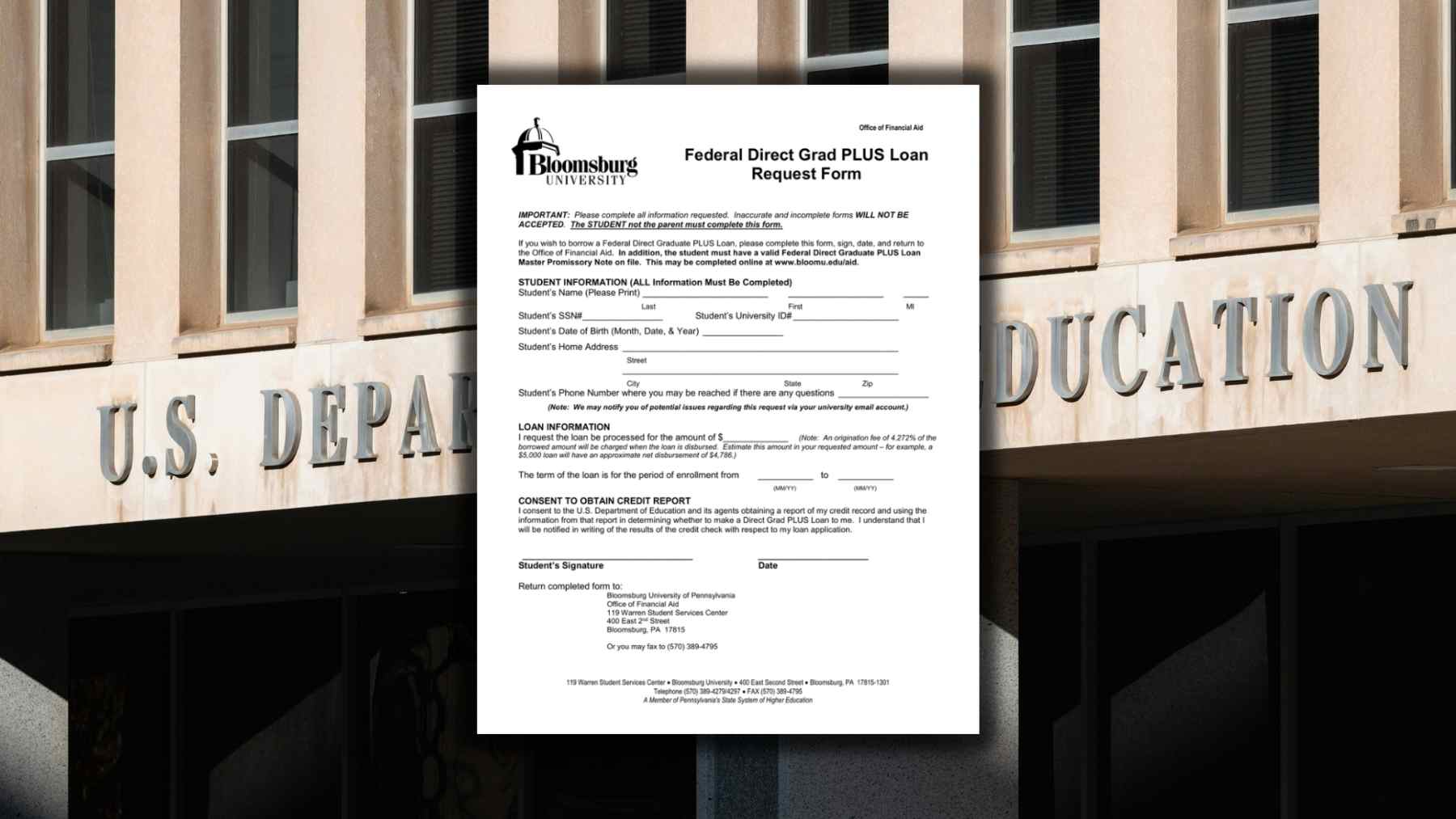
A new legal challenge is facing the Trump Administration this April. The American Federation of Teachers is legally challenging the Trump Administration to reopen affordable student loan repayment programs and loan forgiveness programs. This comes after the Trump administration effectively shut down access to income-driven repayment programs. The administration is also facing controversy over moving student loans from the Education Department to the Small Business Administration (SBA).
Current state of student loans under the Trump Administration
Currently, student loan borrowers are in a difficult situation. This is because the Biden Administration’s SAVE plan is currently stuck in a legal battle. In addition to this, the Trump Administration recently blocked access to all income-driven repayment programs. These types of programs adjust your monthly repayments based on your income and family size. These types of programs are crucial to ensuring you can pay your loans each month.
As of now, $1.7 trillion is owed in student debt. The inability for borrowers to access these income-driven payment programs means that many students are unable to pay their student loans. The U.S. Department of Education’s current policy on Student Loan Forgiveness is mandated by law, as the federal government has to offer these types of repayment programs to students.
The Trump Administration blocks access to repayment programs
The American Federation of Teachers has brought a motion forward against the Trump Administration on account of the Trump Administration issuing a “stop work order” to their contracted loan servicers in March. The Administration instructed the loan servicers to halt all processing of the income-driven repayment plans. In addition to this, the Department of Education removed the online and paper application forms for the programs.
This is done in response to the Department of Education being prevented from implementing the SAVE plan, one of the income-driven repayment programs implemented under the Biden Administration. However, the stop work order is not only affecting SAVE, but also students who are on the ICR, PAYE, and IBR plans. This means that borrowers cannot enroll in these programs, or change their program, and recalculate their payments.
“Without Congressional authorization, the defendants have inexplicably and irrationally issued a Stop Work order shutting down all access to all income-driven repayment plans for borrowers seeking to enroll,” reads the motion. “Millions of student loan borrowers are being denied Congressionally mandated student loan repayment and forgiveness programs, simply because the defendants have unlawfully ceased to accept and process enrollment applications.”
The next hearing between the two bodies is scheduled for April. It is unclear what the outcome of this will bring, but beneficiaries can hopefully expect to see new plans and changes being implemented by the Trump Administration. Over one million student loan borrowers are currently affected by the stop order, meaning they cannot access affordable payment plans they are legally entitled to.
Controversy over the move to the SBA
In addition to the struggles regarding the income-driven repayment programs, the Trump Administration has also moved the student loan responsibility from the Department of Education to the Small Business Administration (SBA). This comes at the same time as the SBA announcing that they are cutting their workforce by 40%, causing concern among many.
The biggest cause of concern is moving one of the largest and biggest programs from the Department of Education to another external body, which is downsizing and going through a mass internal change. This may add to the administration struggles being faced by the student loan programs when it is coupled with the current stop-work order for the income-driven repayment programs. Due to these struggles, some borrowers may seek private loan repayment programs over federal ones.