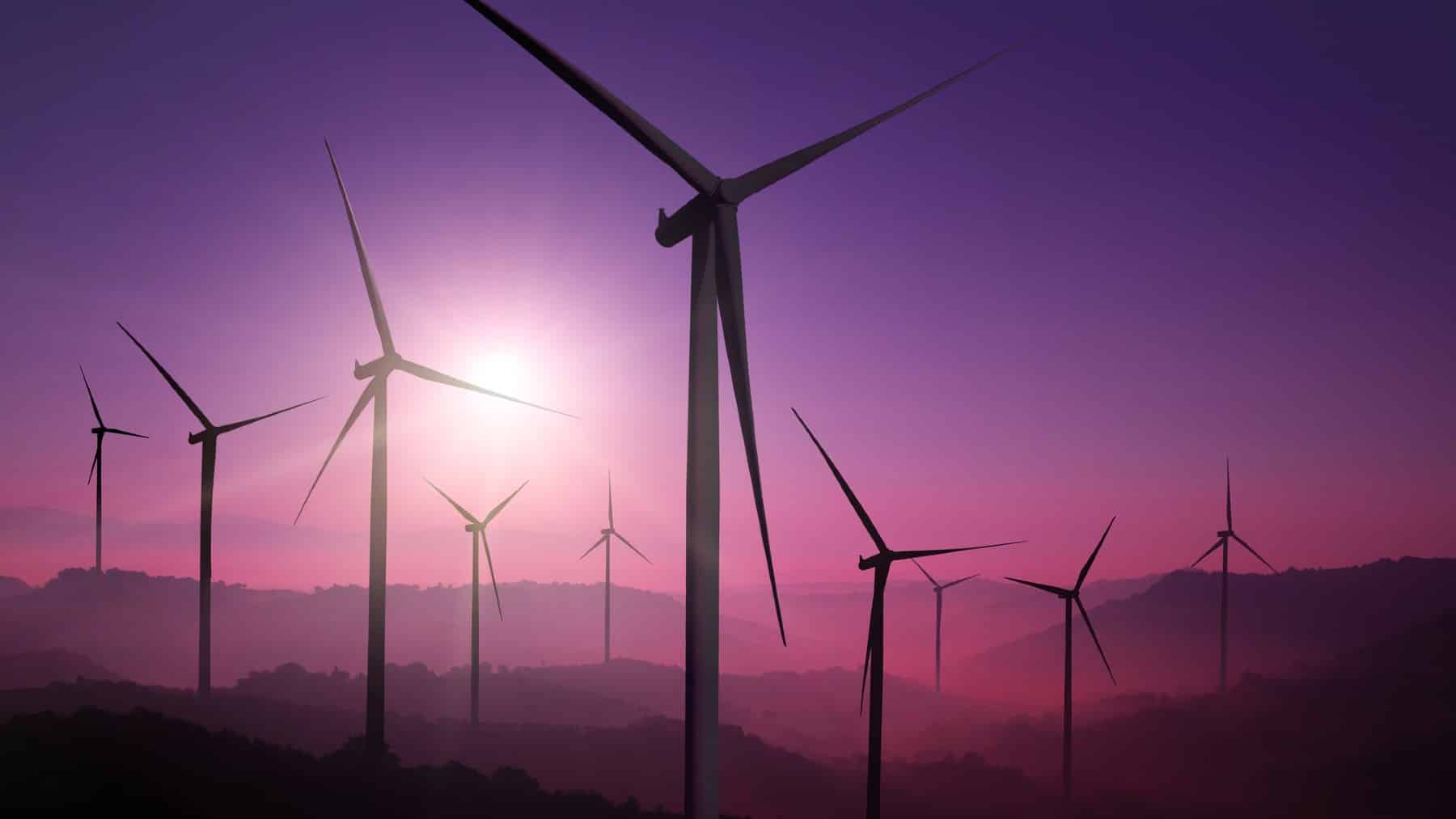
With the industry preparing for “crane day”, a construction milestone in terms of wind power in the United States can be noted. On crane day, various turbine components are to be lifted and assembled so as to install the new and powerful rotor. The turbine being created by Pecos Wind Power measures over 100 feet in diameter and features 14.5-meter blades. While still in its developmental phase, this project will signify a move towards better performance and design in terms of distributed wind systems.
Introducing small and medium-sized wind turbines in the U.S.
The project is an effort strongly supported by the National Renewable Energy Laboratory’s (NREL) Competitiveness Improvement Project (CIP), which looks at an innovation to boost wind energy at somewhat of a sub-megawatt level. Despite this wind turbine being on the smaller end of the spectrum in comparison to the much larger wind turbines that tower overhead at 300 feet, the Pecos Wind Power turbine is rather powerful.
This 85 kW turbine has blades that stretch 14,5 meters (47,5 feet) each. With the rotor expanding over a larger area, energy capture is ensured in lower and moderate wind environments. The smaller turbine has been designed in that way so as to reduce costs and to ensure reliability. While many people have not yet taken to wind power due to the hefty upfront cost needed and the limited product availability, Pecos Wind Power’s wind turbine will eliminate the cost factor while promising reliability. The smaller turbine is one that can effortlessly be adopted and utilized in rural areas in America.
How does federal funding fit into the grand scheme of it all?
This innovation resulted mainly from the Competitiveness Improvement Project (CIP). Launched in 2012, CIP gave about $15 million in DOE funding to small wind companies, allowing them to gain product certification, grid compatibility, and design optimization. In the last round, about $2,9 million was distributed across 11 companies that put forth many different projects, including micro wind turbines and modular energy storage options.
What made Pecos Wind Power’s turbine project stand out particularly in the 2022-2023 CIP cohort was the way in which the blade was designed. The blade’s design lowers the levelized cost of energy (LCOE) whilst simultaneously improving the turbine’s overall performance, which is key for systems throughout the U.S. Funded companies included Xflow Energy, Bergey Windpower, and Windward Engineering, which address market challenges. There is a strong push to decentralize wind energy and Pecos Wind Power is up for the challenge.
The sheer significance of crane day from an early stage
Crane day speaks about the physical lifting of the wind turbine onto its tower. Crane day is a significant moment in terms of the commercial deployment of such high-performing turbines. Although Pecos Wind Power’s 14,5-meter blade is still in the design and tooling phase, the anticipation of crane day is clear.
With Pecos Wind Power’s initial prototypes being prepared, the next steps would be manufacturing and testing the turbine. Thereafter, certification in terms of market readiness will take place. While still in the developmental stages, the significance of this wind project is evident. The blade development already indicates that times are changing, and soon we will have wind products that can stand up in terms of performance and price to other utility-scale options. The wait for crane day for this wind turbine designed for factories, farms, and communities is already in sight. With silent wind turbines becoming popular in America, the wind turbine revolution is well underway in the U.S.
The broader future of wind and anticipation for crane day
With the U.S. moving full swing into distributed energy solutions, this rotor spanning over 100 feet with unmatchable blades could be more powerful than utility-scale turbines whilst promoting an influx of smaller wind solutions in the process. When crane day arrives for Pecos Wind Power’s wind turbine, the iconic blades will be lifted to the sky, and the energy game of the U.S. will step up a notch as well. Peco’s Wind Power’s proposal is extending beyond that of selling turbines, with this giant turbine soon to be lifted in America.
Disclaimer: Our coverage of events affecting companies is purely informative and descriptive. Under no circumstances does it seek to promote an opinion or create a trend, nor can it be taken as investment advice or a recommendation of any kind.