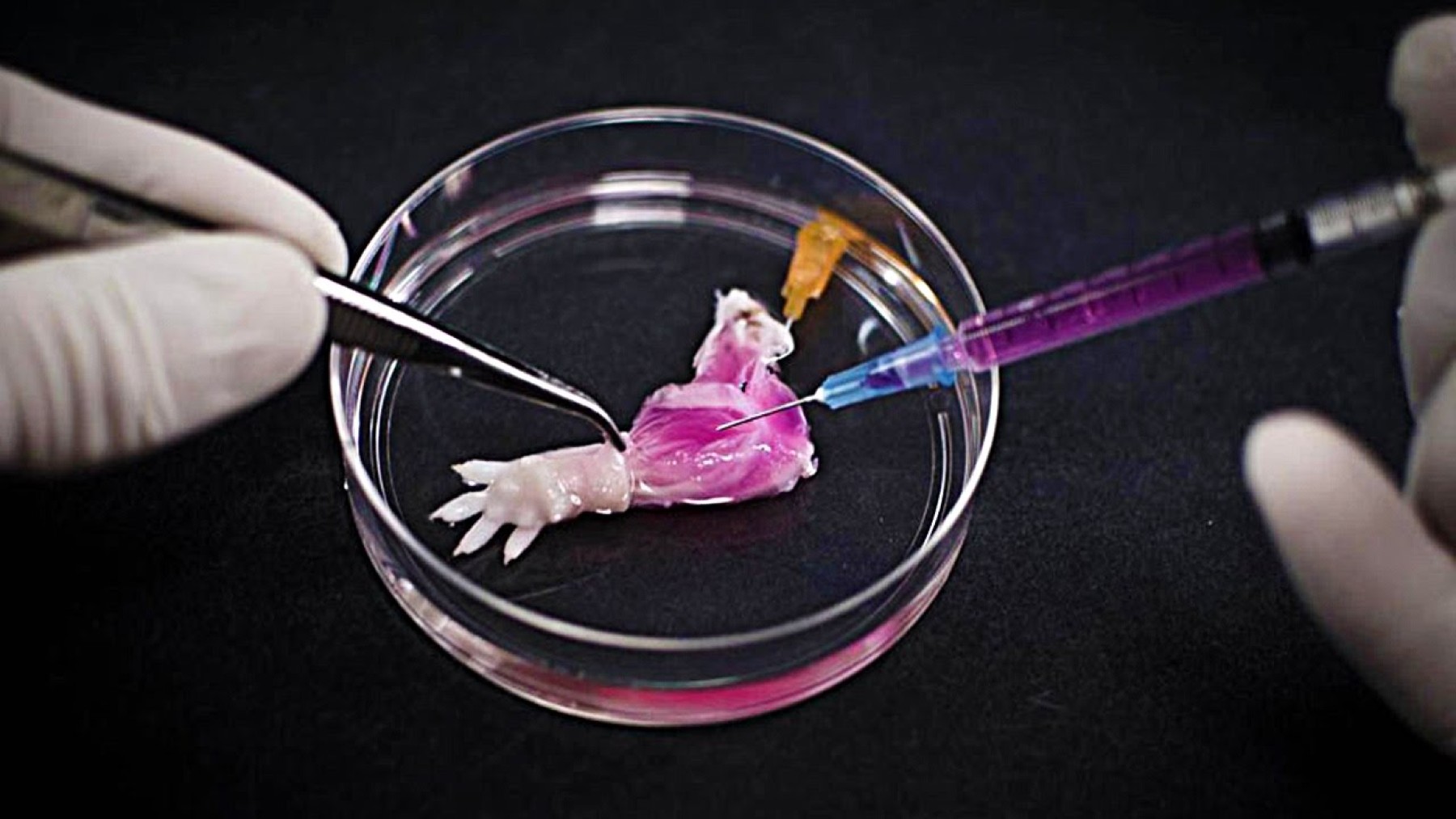
The concept of creating life from nothing has long been a staple of science fiction, but modern scientific advancements are beginning to make this a reality. Researchers have successfully bioengineered microscopic organisms using cutting-edge bioengineering techniques, deviating from the traditional methods of life creation. This scientific breakthrough transcends what was once thought possible, unlocking new avenues in bioengineering, medical science, and sustainable development for the future.
Synthetic biology and bioengineering: The powerful combination changing the future of life creation
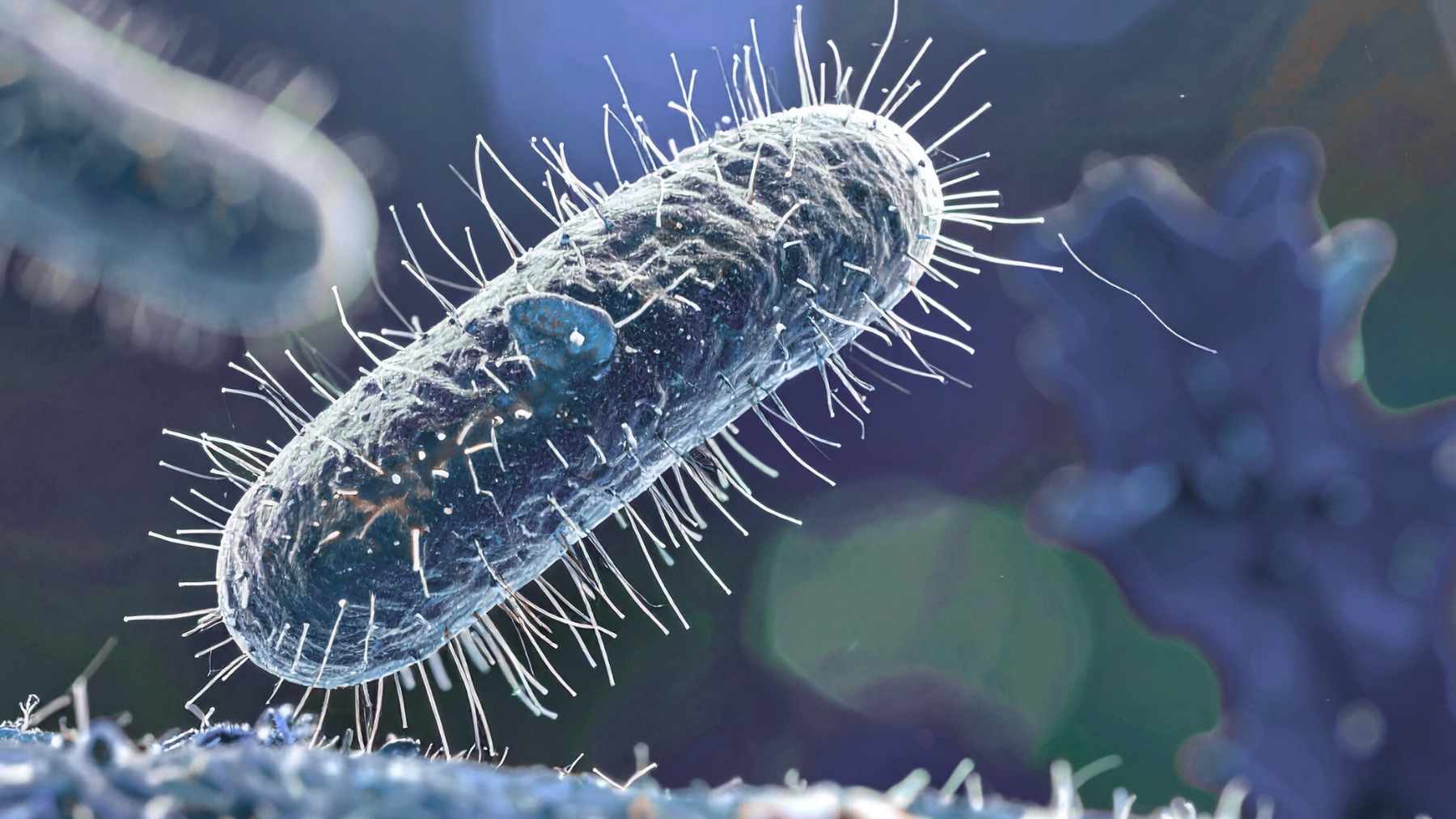
This revolutionary experiment stems from synthetic biology, a discipline combining biology, chemistry, and engineering to reconstruct living organisms. For billions of years, nature has been solely responsible for life. Still, today’s synthetic biologists are pushing the boundaries of what’s possible by attempting to mimic natural processes in a controlled bioreactor environment. By recombining genetic elements, scientists can construct entirely new organisms that exhibit features not found in nature.
These organisms, developed through advanced bio-fabrication techniques, are assembled from the basic building blocks of life. The newly engineered cells can replicate and carry out metabolic activities by employing precise chemical processes. This level of sophistication far surpasses previous attempts, which primarily focused on modifying existing organisms.
The CRISPR technique: Revolutionizing genetic editing to build life from scratch
One of the most groundbreaking tools used in this experiment is CRISPR technology. This highly advanced gene-editing method allows scientists to make precise modifications to the DNA of organisms. CRISPR has been hailed as revolutionary since its discovery, and in this experiment, it was used to insert synthetic DNA sequences into newly designed cells. This cutting-edge technology enables scientists to craft life forms from scratch, allowing them to imbue these organisms with specific traits and capabilities.
In essence, CRISPR bridges the gap between theoretical designs and functioning organisms. Genetic engineers can use CRISPR to implement precise genetic modifications that allow these organisms to grow, divide, feed, reproduce, and evolve. This marks the dawn of a new era in bioengineering, where life forms can be custom-built to suit various applications.
Potential for medicine and environmental sustainability: New organisms designed for targeted purposes
The creation of life from scratch may sound like something out of a science fiction novel, but its implications for medicine and environmental sustainability are profound. Scientists envision organisms created using these techniques could be tailored to perform specific tasks, such as secreting drugs, cleaning up environmental pollutants, or generating renewable energy. This game-changing innovation holds the potential to solve some of the world’s most pressing challenges in medicine, industry, and environmental conservation.
In medicine, for instance, synthetic organisms could be programmed to deliver medications directly to targeted cells, improving the effectiveness of treatment while minimizing side effects. Similarly, these engineered organisms could be applied to environmental cleanup efforts, breaking down plastics and other hazardous materials contributing to pollution.
Addressing the ethical challenges: What does it mean to create life from nothing?
Creating life from scratch raises many ethical questions and challenges despite the promising benefits. Creating new life forms forces society to confront fundamental questions about the definition of life. What characteristics must an entity possess to be considered “alive”? Does the ability to reproduce or generate energy qualify it as a living organism?
Furthermore, there are concerns about the potential consequences of releasing synthetic organisms into the wild. Even though these life forms may be programmed to perform specific functions, their behavior could become unpredictable once they are no longer confined to a controlled laboratory environment. The risk of unintended ecological impacts must be carefully weighed before deploying synthetic organisms.
Another significant ethical question revolves around ownership. Who owns these artificially created life forms? As technology advances, it will become increasingly important to establish policies and regulations governing the ownership and use of these new entities to ensure responsible scientific development.