In a world where people are increasingly turning toward alternative fuels, some options are easily overlooked in the race for green energy. Hydrogen often dominates discussions about future fuels, but one alternative has quietly awaited its moment: renewable diesel.
Finally, Cummins Inc. has developed a 15-liter diesel engine capable of running on renewable diesel—a significant leap in fuel evolution. This potent fuel, often underrated, is now paired with an engine that’s as efficient and environmentally conscious.
This Cummins 15L diesel engine will reshape how we view efficiency in heavy-duty vehicles
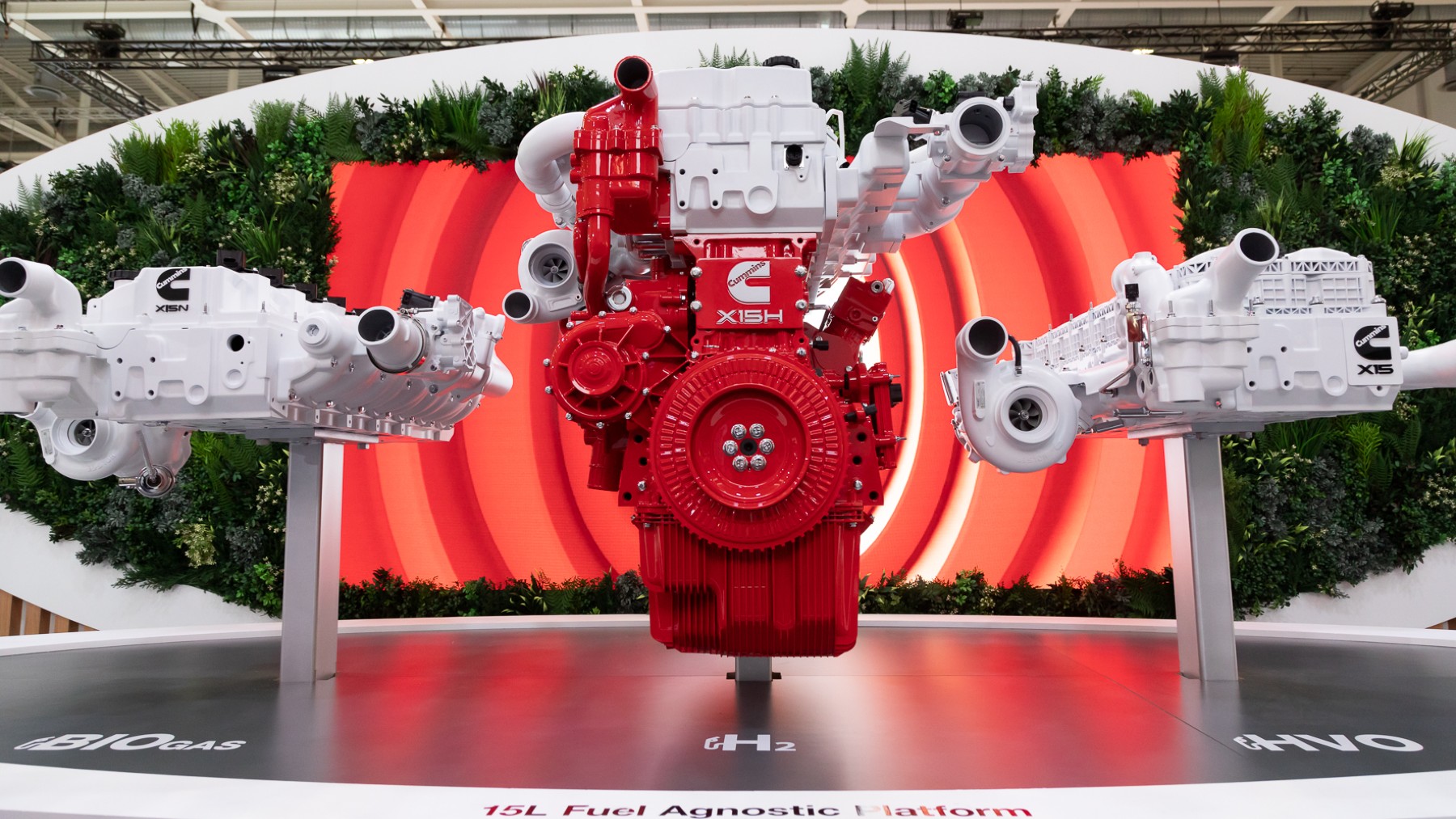
Cummins, a leader in power solutions, has introduced the next generation of its 15-litre diesel engine under its HELM fuel-agnostic platform, emphasizing Higher Efficiency, Lower Emissions, and Multiple Fuels. What’s unexpected is that the Cummins X15 diesel engine is designed specifically for renewable diesel, produced from renewable sources like vegetable oils and animal fats.
This engine retains many features beloved by Cummins diesel enthusiasts, with a peak output of 605 horsepower and 2,050 ft.-lb. torque. It’s engineered for the future, meeting emissions standards in 2027 and beyond. According to Cummins’ leadership, the X15 engine is their cleanest and most potent heavy-duty diesel engine ever, marking a clear shift toward sustainable power.
The most overlooked green fuel: why has renewable diesel been ignored for so long?
Often confused with biodiesel, renewable diesel differs because while biodiesel is produced through transesterification, renewable diesel is chemically similar to fossil diesel. This critical distinction allows it to be used in any diesel engine without modification, making it a highly versatile fuel. Despite these benefits, renewable diesel has been largely overshadowed by more popular green technologies like hydrogen and electric power.
The reasons for this neglect are complex. First, renewable diesel has not been marketed aggressively as other renewables and lacks governmental support. Hydrogen and electric vehicles are considered the future, while diesel, even renewable diesel, is labeled ‘old technology.’ Hydrogen infrastructure is developing, whereas renewable diesel can blend seamlessly with existing fuel distribution systems. Yet, despite its potential, it remains underestimated.
With the launch of the Cummins 15L engine, this narrative is changing. The X15 engine can run on renewable diesel blends up to 100%, increasing its environmental credentials.
HELM technology: Cummins’ groundbreaking engine platform that runs on multiple fuel types
One of the most revolutionary aspects of Cummins’ new engine platform is its ability to run on various fuels. HELM makes the same engine base compatible with different fuels, an innovation not found in other platforms. Components below the head gasket remain nearly identical across engine types. In contrast, the layout is altered above the head gasket depending on the fuel, whether it be diesel, natural gas, or hydrogen.
This flexibility is crucial given today’s rapidly diversifying fuel market. Cummins understands that industries are at different stages of their energy transition. While some may choose hydrogen, others prefer renewable diesel or biodiesel blends. HELM allows companies to adapt to the energy transition without overhauling their engines, ensuring flexibility and sustainability.
José Samperio, Vice President of Cummins’ North America On-Highway division, emphasized the innovation of the HELM platform and the new X15 engine. “We are doing everything in our power to ensure the new product reflects the promise of our brand to customers in their daily operations,” Samperio said. This reflects Cummins’ commitment to balancing the current energy needs while anticipating future demands.
Looking ahead: will diesel remain relevant, or will hydrogen and electric power take over?
There’s no denying that hydrogen and electric powertrains will dominate future mobility. However, dismissing diesel entirely would be shortsighted, especially renewable diesel. Cummins’ new X15 engine showcases that diesel technology is far from obsolete. Instead, it’s evolving to address modern environmental concerns while delivering the rugged performance needed for heavy-duty applications.
Jonathon White, Vice President of Engine Business Engineering at Cummins, highlighted that the new engine architecture is built for future emissions standards, minimizing the need for significant changes. “This architecture extends the X15 legacy,” White said. Cummins’ forward-thinking design will ensure that diesel engines remain relevant and competitive in the future.
Engines that can utilize renewable diesel represent a significant shift in how we think about fuels. Although the world is rushing toward alternative energy sources, Cummins is proving that diesel technology still plays a vital role. It becomes a key component in the broader energy solution when paired with renewable fuels.
Conclusion: Cummins 15-liter engine paves the way for diesel’s green future
Cummins’ new 15-liter engine has demonstrated the enormous potential of renewable diesel, a fuel that flashier alternatives like hydrogen and electric power have long overshadowed. Through the HELM platform, Cummins is signalling that the future of fuel isn’t limited to just one choice. Whether it’s hydrogen, electric, or renewable diesel, the engine platforms of tomorrow will need to adapt to the diverse challenges ahead. Renewable diesel is finally poised to gain the recognition it deserves as a versatile and green fuel for the future.