The DAWN project arrives, ready to generate the first photovoltaic fuel and leave aside electricity and the use of hydrogen. If you were surprised by the 93% savings of the new fuel implemented in the ultralight engine, the following initiative will leave you speechless. It is already clear that we need to find new ways of fueling to reduce our dependence on fossil fuels.
Although they have served their purpose for a long time, burning them releases polluting gases into the atmosphere that have brought with them severe and well-known consequences: increased greenhouse gases, acid rain, global warming, melting of the polar ice caps, rising sea levels, increased torrential rains and more frequent hurricanes.
In this context, their replacement by clean and renewable energies is inevitable. Past energy transitions have been driven by economics. However, the current transition responds to environmental reasons and the protection of the planet. The goal is to lower carbon production and find sustainable alternatives to meet human needs.
Photovoltaic fuel, a golden solution for hydrogen retirement
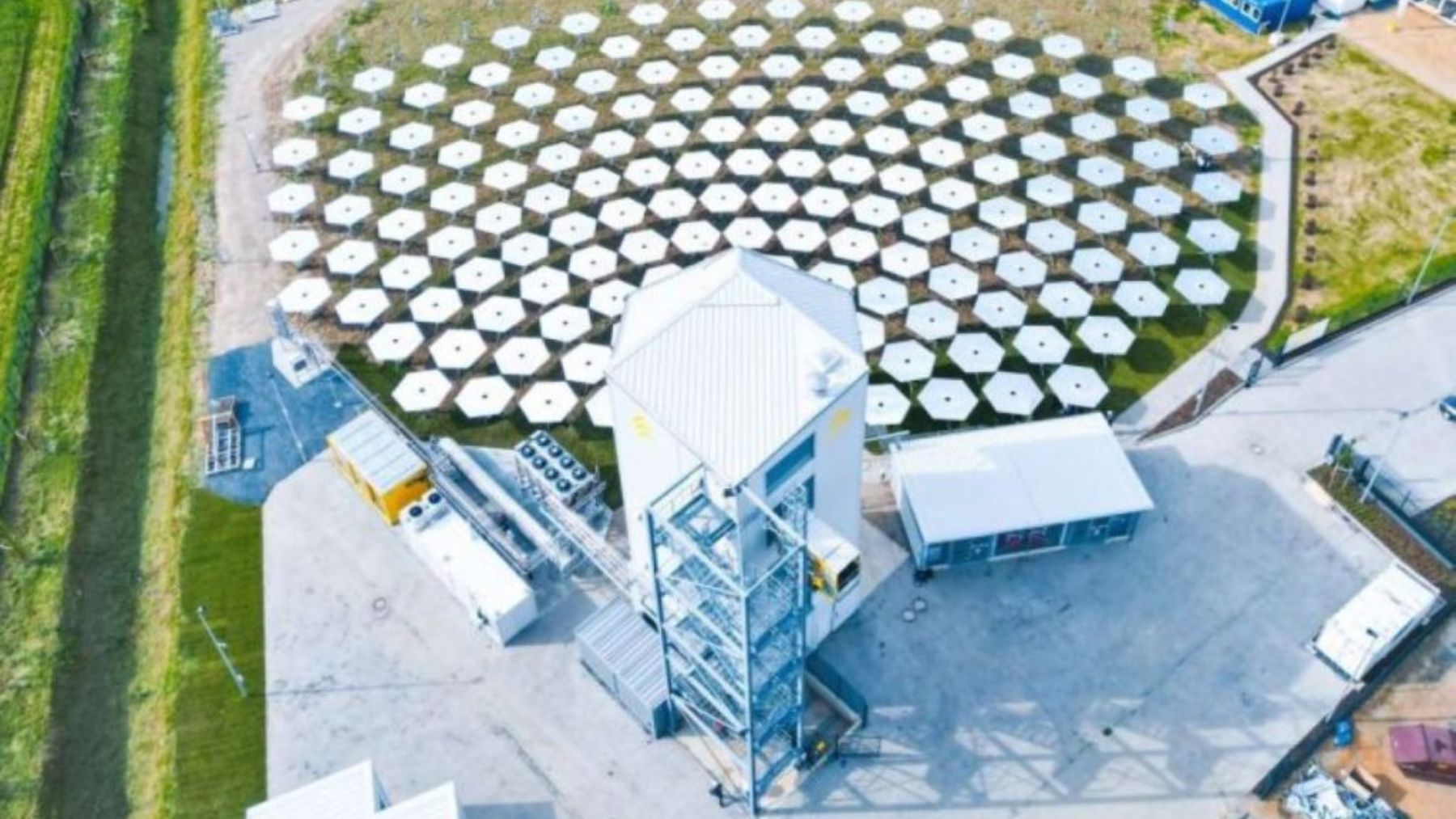
Synhelion has commissioned the world’s first solar-powered jet fuel plant. The Swiss cleantech company has already inaugurated it and its aim is to generate photovoltaic fuels. The plant has been given the name DAWN and could transform the transport sector in general and the aviation sector in particular.
With its expansion, the European demand for solar kerosene would be covered, working hand in hand with companies such as Cemex. Moreover, its use would be an important step towards the decarbonization of the cement industry. Although DAWN is the name of this plant, we have decided to name it ‘DAWN project’ because of its great potential to transform the current reality.
The DAWN plant consists of a 20-meter-high solar tower surrounded by an extensive field of mirrors. This is the first time that Synhelion’s technological innovations have been used on an industrial scale. In the solar tower, concentrated solar energy is used to generate synthetic fuels, known as solar sustainable aviation fuels (SAF).
Due to the decarbonization process in which the transport sector is immersed, airlines are almost desperately looking for this type of alternative to reduce their emotions on each journey.
These solar fuels can directly replace fossil fuels. They are fully compatible with existing infrastructure, from transport to combustion engines and aircraft engines. DAWN will generate several thousand liters of synthetic fuel per year.
Syncrude, a synthetic crude generated by the solar plant, is processed in traditional refineries. These fuels include solar kerosene, gasoline and diesel, which provide a sustainable solution for the aviation and shipping sectors.
Hydrogen is put to one side with this photovoltaic fuel.
Synhelion, a spin-off of ETH Zurich, has been working continuously on the scalability of its Sun-to-Liquid technology since its ‘birth’ in 2016. With the arrival of this solar plant, the company is showing the world that this technology already has sufficient potential for large-scale employment.
“Today is a historic day for Synhelion,” said Dr. Philipp Furler, CEO and co-founder of Synhelion, as recorded on the company’s website. He added: “Our dream of producing renewable fuels from solar energy has become a reality.”
In short, the DAWN project demonstrates that the future could go hand in hand with photovoltaic fuel rather than hydrogen. Will this production also quell the furor over electric cars? Only time will tell.