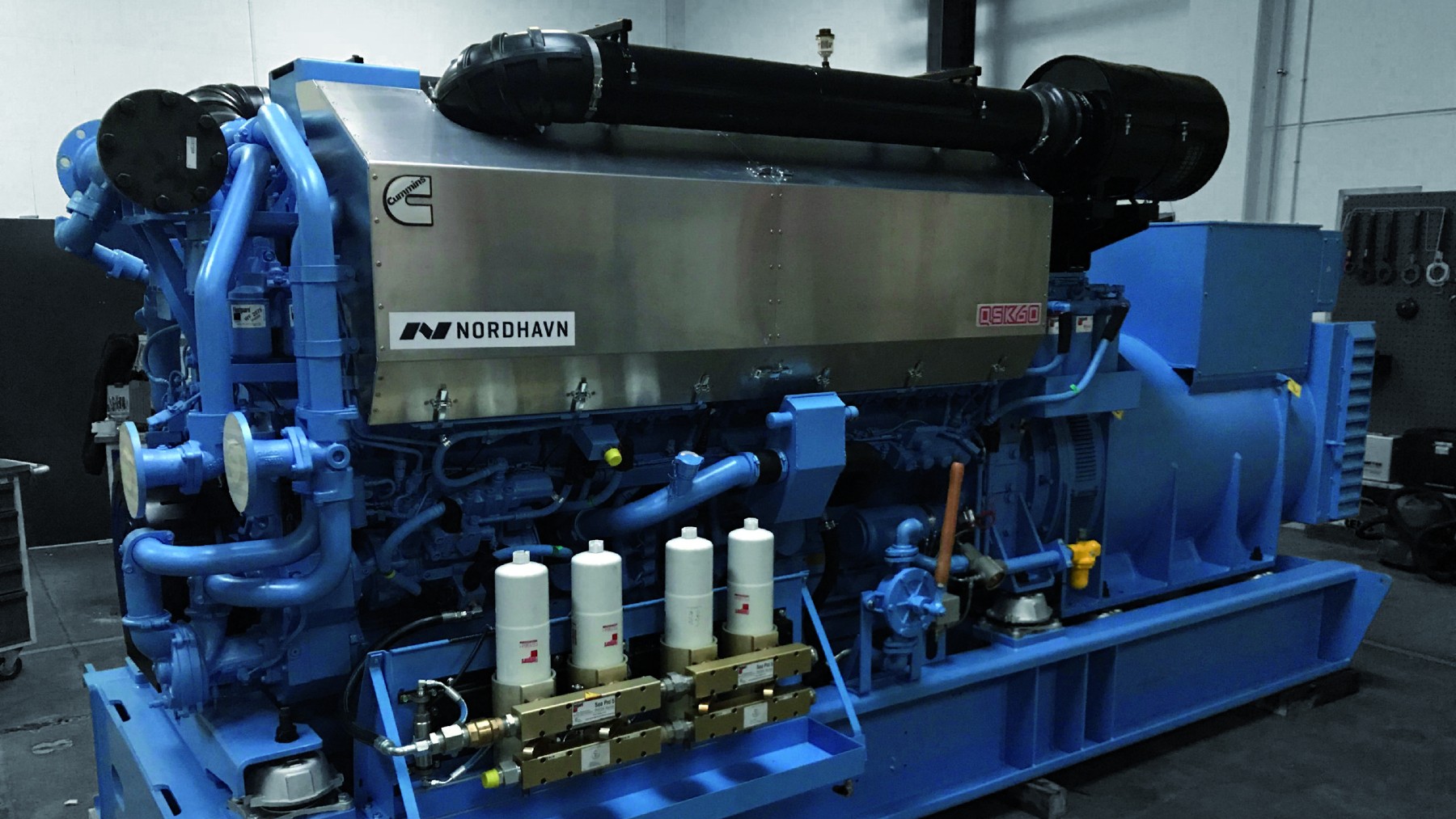
As the present moment, industry across the board is preparing to gear up for an alternative energy source implementation. Denmark is providing valuable technological contributions to the maritime industry to reduce carbon emissions and the environmental impact the maritime industry has on the planet. Currently, the maritime industry contributes between 3%-5% of the world’s global emissions and the solution may be found in methanol.
Preparing for zero-emissions by 2050
Methanol is a renewable fuel which is fast on its way to be a viable alternative energy solution for the carbon emissions projected by the maritime industry. Presently, the maritime industry has been one of the slowest to take on alternative energy sources due to the difficulty of implementing new infrastructure across local, national, and international ports. Additionally, the maritime industry requires a robust and regulated framework to adhere to which has not yet been implemented broadly within the context of renewable fuels.
However, Denmark may soon be making changes to that. Svitzer is a leading global port and terminal infrastructure provider, serving approximately2,000 customers in 141 ports and 40 terminals across 37 countries through a fleet of 456 vessels. The company has recruited Danish company Nordhavn Power Solutions to provide two methanol-powered engines for their latest tugboat developments. This news shows exciting progress in the maritime industry and industry leaders begin to put-into-action viable alternative fuel alternatives.
The new tugboat is set to be a hybrid system of both batteries and the methanol generator system which, under certain conditions, will generate zero emissions. Turkish shipyard Uzmar Shipyards has been tasked with building the boat which is set to be up for delivery in the first half of 2026. Hybrid tugboats are still a rarity in the maritime industry. Tugboats are used provide propulsion assistance to other vessels, and to be effective, they need to provide a significant amount of power.
The maritime industry has potential to spearhead green developments
Unlike other industry sectors, the entire maritime industry operates under one global regulatory framework, the International Maritime Organization. This means that the maritime industry may be at an advantage for implementing alternative fuel sources than other industry sectors where contributors within a sector often work independently from each other. This means that if the International Maritime Organization took on an aggressive sustainability approach, involved bodies would have to comply.
Methanol is fast on its way to becoming a viable alternative energy source solution the maritime industry may be able to implement. Methanol is a renewable energy sources which can be produced from green sources such as biomass, carbon capture, and municipal waste. Unlike traditional fossil fuels, , methanol can be used in existing engines with minimal modifications, facilitating a smoother transition for shipping companies. Its low emissions make methanol an attractive alternative fuel for the maritime industry.
Current maritime sustainable developments
Other green initiatives have also been seen emerging in the maritime industry. Hydrogen and biodiesel developments have been gaining progress along with projects such as wind assisted propulsion (drawing from shipping’s roots!). One widespread measure which has been widely implemented across industry is the use of bridging fuel Liquified Natural Gas as fuel in vessels. However, critics have said that current efforts are still not enough and that widespread uptake needs to become a bigger priority.
Green efforts in the maritime industry go beyond just the vessels themselves. There are also initiatives and projects to design and, hopefully, implement greener ports. This is relevant for all industries where the entire industry needs a total green revolution and not just one isolated factor. The shipping industry may be fast on the rise towards becoming a leader in sustainability with the help of efforts such as the methanol project from Norway.