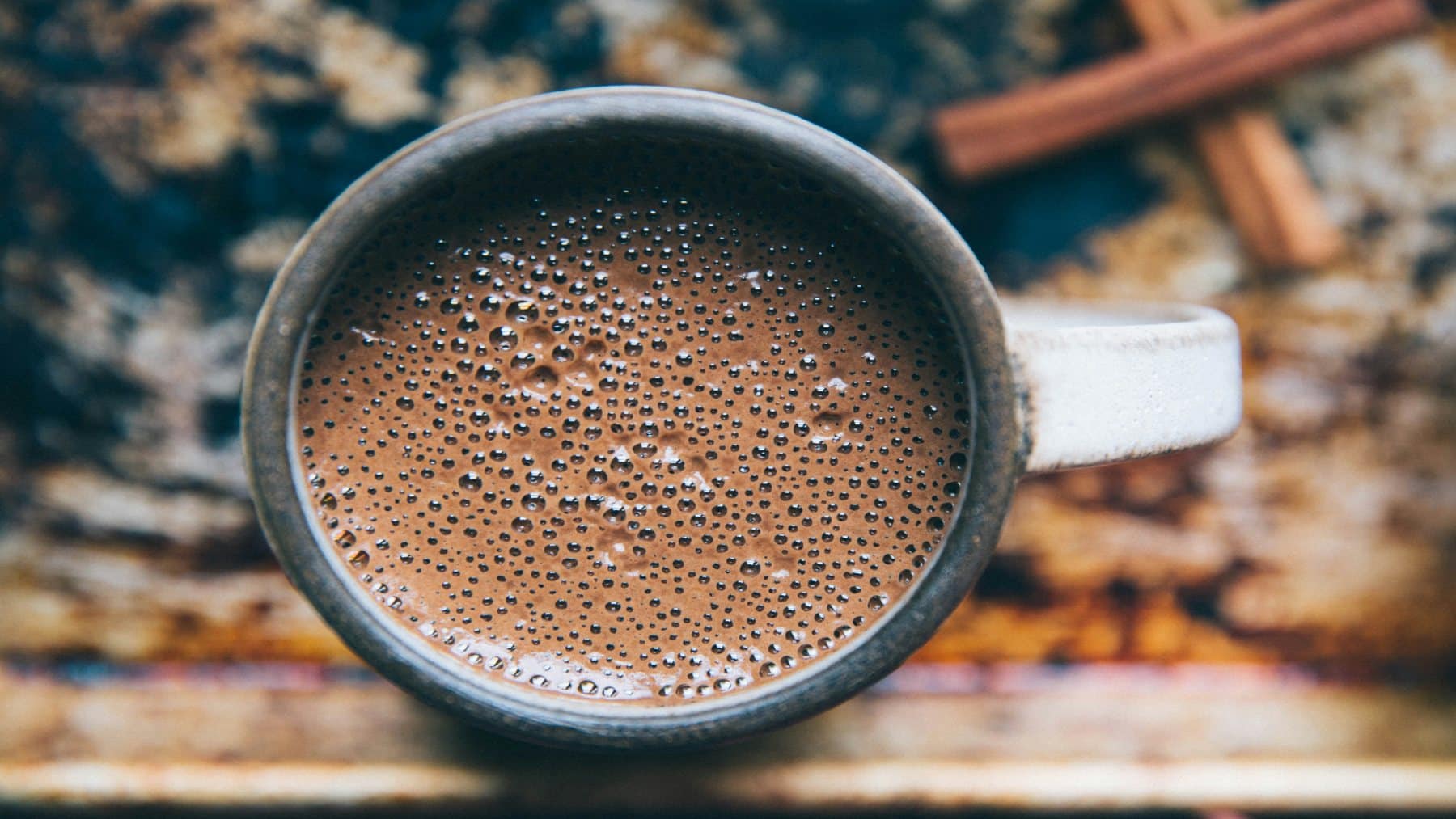
Winter is about much more than cold temperatures and enjoying evenings curled up by the fire. There is a little-known secret about the process of drinking your hot cup of hot chocolate, something your body is clamoring for during these dark months. Scientists have found that hot chocolate does more than warm your hands. It actually stimulates a potent blend of happy hormones that can change your experience of winter in ways you will not believe.
Unleashing your body’s natural happiness hormones through chocolate
Each time you indulge in a cup of hot chocolate, your body is responding to more than just taste. The cocoa is causing your brain to release not only feelings related to taste but also stimulates your body to release a rush of endorphins. These are your body’s natural painkillers that produce feelings of euphoria. They can be considered your body’s version of morphine.
However, it’s not all about endorphin’s feel-good effects. There is a science-supported interaction between these happy hormones. Chocolate can boost the levels of serotonin. It’s commonly referred to as the ‘happiness hormone,’ which is typically used for controlling mood, sleep, and appetite. Not only does it have these effects, but it can also release dopamine. This is known to be your ‘reward molecule’ that triggers happiness.
Theobromine allows for steady energy without caffeine crashes
Contrary to the harsh effect caffeine has on coffee, chocolate has a substance called theobromine, which is milder compared to caffeine. Not only does it have stimulating effects, but it also complements the effects caused by hormonal levels for long-lasting effects on one’s moods.
Winter makes the hormonal effect of chocolate even stronger
Also, because it is winter, there will be limited exposure to the sun, which will lower your vitamin D levels. Lack of vitamin D will have a major impact on your body’s moods because your body will have a hard time producing hormones that control moods. Your brain will be extra sensitive to anything that brings happiness hormones. Thus, the effect of hormones in chocolates will be more intense.
Research published in “Frontiers in Pharmacology” shows that one reason cocoa is so beneficial is due to its regulatory effect on your immune functions and anti-inflammatory effects, which is especially prevalent during winter months because your body is working harder. Finally, magnesium found in cocoa is essential because it regulates your white blood cells and your stress hormones, such as cortisol.
Winter hormone effects of chocolate:
- Endorphin Release for Natural Pain Relief
- Serotonin boost for mood regulation
- Dopamine surge for reward satisfaction
- Lowered cortisol for stress relief
What this means for your body’s overall health
This biochemical process is more than just a temporary euphoric feeling. The process of releasing endorphin by consuming this food can actually work towards inhibiting coughing by the effect it has on the vagus nerve via the substance called theobromin. This process is much more effective than cough medications because it is non-drowsy and doesn’t have any other adverse effects.
The hormonal response is also supporting your immune system during winter, which is a challenging time. As your body experiences a flood of these hormones, it can fight inflammation and help you recover faster from illnesses. The antioxidants found in cocoa are working in conjunction with your hormones to fight free radicals your body is producing when it is battling infection.
An understanding of this hormonal effect is what explains why we have such a natural attraction to it in the midst of winter. Your body knows that this is one substance that is necessary for your body to have this particular combination of hormones, which it does by providing your body with these natural compounds found in it.
Disclaimer: Our articles on food and nutrition are purely informative and do not constitute medical or dietary advice. We respect the guidelines of the Food and Drug Administration and follow a responsible editorial policy. Consult a healthcare professional or dietitian and remember that no superfood is a substitute for a varied and well-balanced diet.