Decades ago, Albert Einstein theorized about a powerful engine powered by proton fusion. For the first time ever, this concept has been brought to life. What makes this even more exciting? It challenges the very limits of physics and could be key to reducing carbon emissions in transportation.
Einstein’s Vision of a Fusion Engine Becomes Reality
Nuclear fusion, the process of fusing atomic nuclei to release energy, has long been a scientific pursuit. It’s the same energy source that powers the Sun, offering the promise of clean, nearly limitless energy. Unlike nuclear fission, which is used in today’s power plants and criticized for its environmental impact, fusion has the potential to revolutionize energy.
Back in 1929, Einstein theorized about a “proton engine” that could use nuclear fusion to propel spacecraft at near-light speeds. This engine would harness the immense heat generated by fusion reactions to expel protons, creating thrust.
Technological Evolution: A Leap Forward
Past attempts to build a fusion engine faced numerous challenges due to technological limitations. However, recent breakthroughs have changed the game. One major advance is the development of new materials capable of withstanding the extreme temperatures inside a fusion reactor. High-performance ceramics and alloys are now being used to contain the superheated plasma necessary for fusion.
In addition, scientists have made significant strides in plasma physics. Improved computational models now allow for more precise control of fusion reactions, while new techniques in magnetic confinement keep the plasma stable and away from reactor walls, preventing energy loss.
Proton Engines: The Future of Decarbonizing Transport
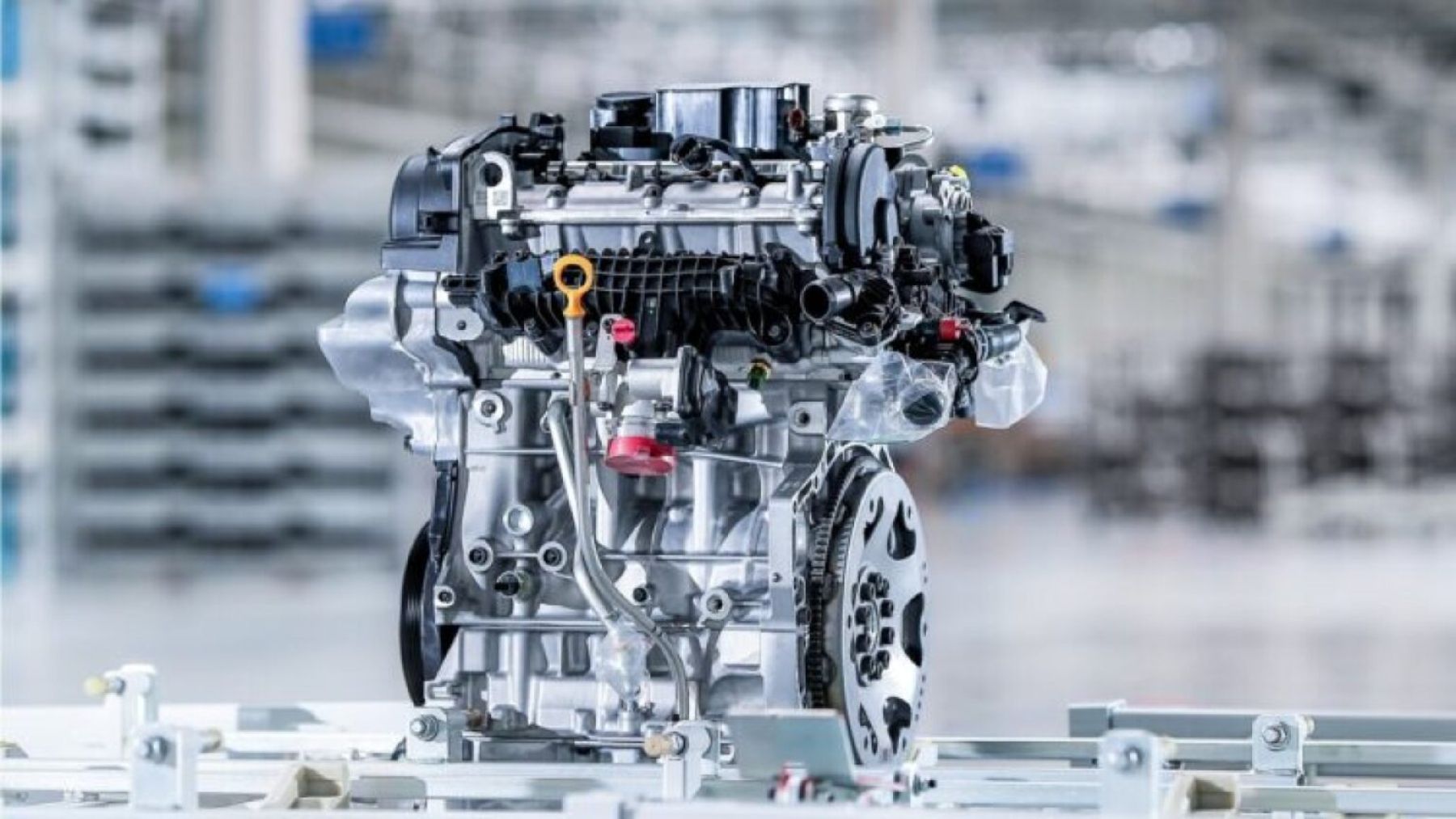
RocketStar, a cutting-edge startup founded in 2021, is leading the charge in developing a nuclear fusion propulsion system. This engine aims to use hydrogen fusion to generate enormous amounts of energy, offering a cleaner and more efficient alternative to chemical fuels.
The design relies on a funnel-shaped magnetic field, where protons are compressed and heated to extreme temperatures. The resulting plasma jet provides the necessary thrust, with hydrogen—an almost limitless fuel source—powering the engine. The potential to extend this technology to vehicles on Earth could revolutionize transportation as we know it.
This proton engine marks a groundbreaking step toward sustainable mobility, showing how advanced physics can drive the future of transportation. Alongside innovations that increase the range of electric vehicles, this engine represents a key leap toward decarbonized travel, proving that futuristic solutions are closer than we think.