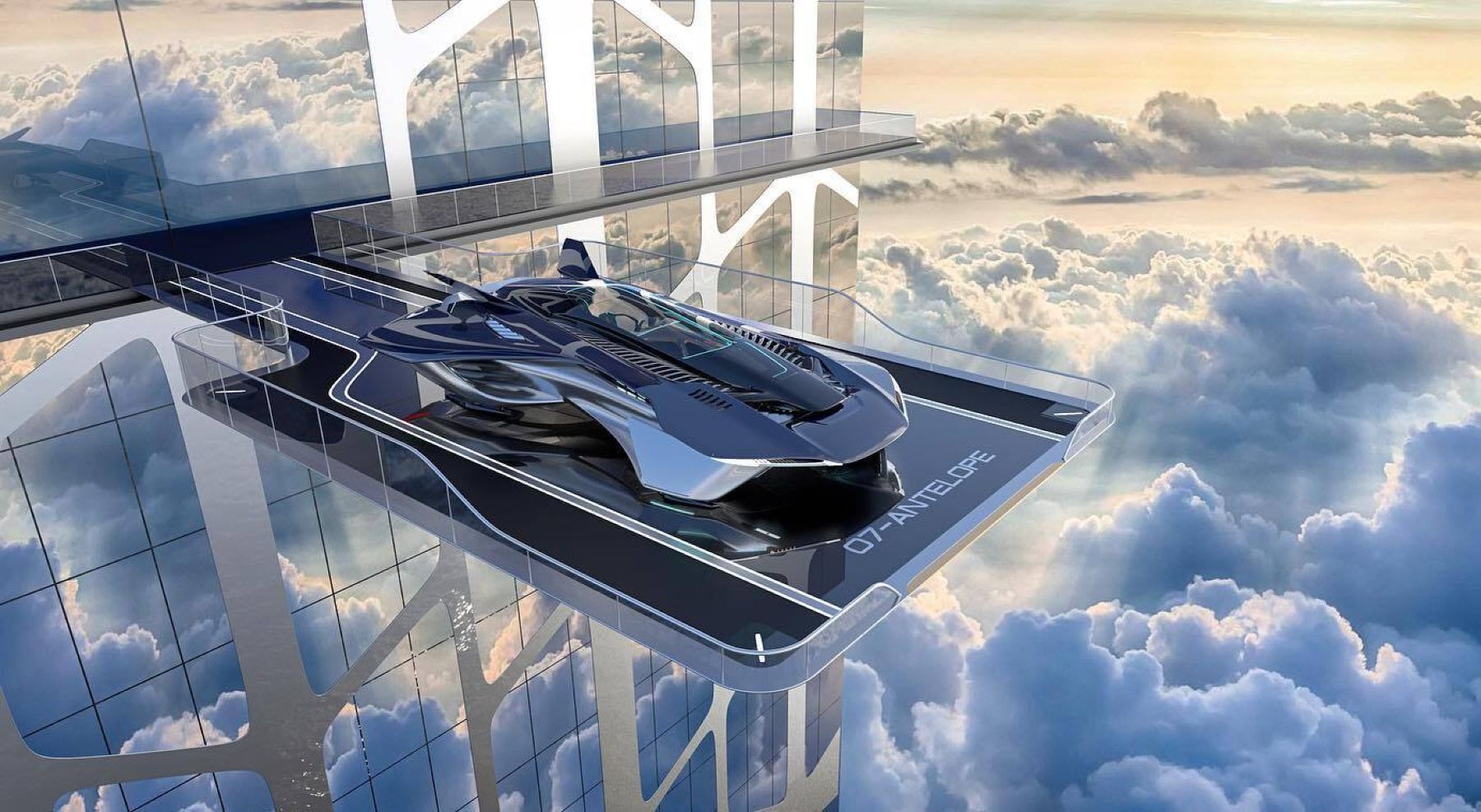
A science-fiction movie you know well predicted decades ago that we would move into the city by air and not by road. Many years have passed, and the first electric aircraft is now a reality, with a proposal coming to the United States. Find out how our highways will change forever and how we will be leaders in sustainable mobility.
The first electric aircraft, longer-lived than we thought: innovation goes back a long way
The idea of electric aircraft goes back to the 1970s when the concept was introduced by Fred Militky, who was the first to come up with this flying machine powered by batteries. Yet, only in the 2000s were the first significant breakthroughs in electric propulsion systems and battery technology made.
In 2007, an airplane manufacturing company from Slovenia by the name of Pipistrel presented the prototype for the Taurus Electro, one of the first two-seat electric aircraft in the world, to the public. This plane with lithium-based polymer batteries could fly for about 1 hour.
Despite this, the Pipistrel diversified and created the number one series of electric two-seater aircraft, Alpha Electro, in 2016. The Alpha Electro only spends 1 hour in the air on one charge and can attain cruise speeds of approximately 100km/hr.
Today, Pipistrel is again one of the leaders in electrical aviation. Their aircraft indicate how much progress has been made and the prospects of electric propulsion for light airplanes over short distances by demonstrating how it works. Last but not least, more startups are trying to develop this type of transportation in a more futuristic way, like Bellwether Industries.
New pilots to train with sustainable aircraft: Pipistrel’s proposal to change everything
Electric airplanes bring numerous advantages that are greater than those of piston-engine aircraft. Operating electric propulsion does not produce any emissions during the flights.
Airplanes powered by batteries don’t consume fossil fuels. Hence, they are carbon-free and don’t emanate greenhouse gases, which lead to climate change. These provide electric flights with a more sustainable and ecological approach.
Electric motors are, too, nearly silent compared to conventional ICEs. The improvements in the quality of life of communities close to airports are a major benefit caused by the electric flight, which featured less noise pollution.
Adjacent areas to the airfields benefit from quieter background noise when electric aircraft land or take off. An energy-saving technology called electric propulsion makes a non-polluting contribution to the environment and the surrounding community.
The technology behind electric aircraft: how they have managed to innovate in the skies
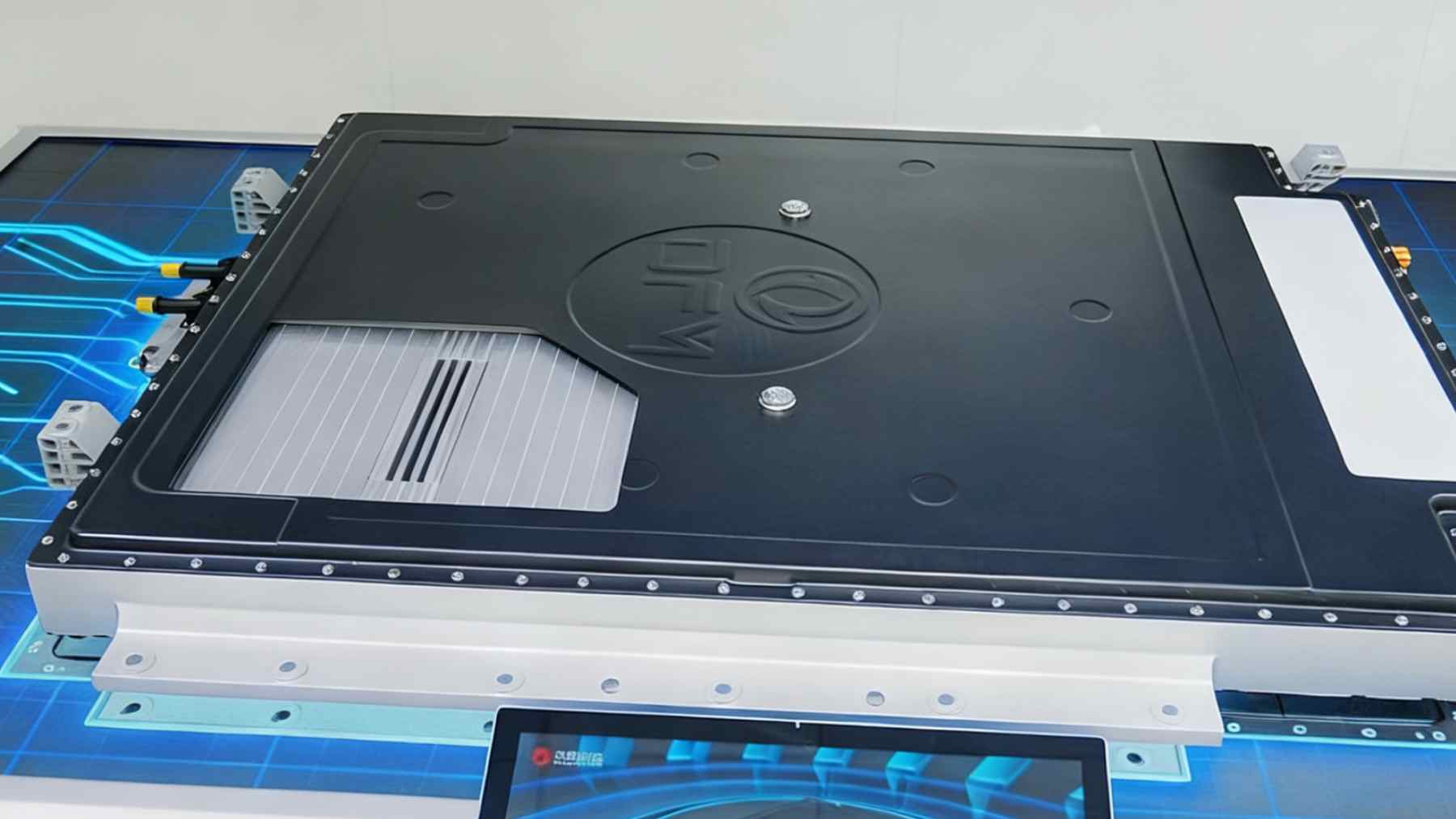
Along with the progress in battery technology, electric flights get a boost. Li-ion batteries have a very high energy density, which is a key characteristic required for aviation. Battery packs with intelligent cooling and safety technology will let the planes fly with the farthest range possible while meeting or beyond airworthiness requirements.
The motors for aviation have been optimized for use, which provides high power-to-weight ratios. The brushless DC motors are highly efficient and reliable. Motor controllers enable the control of power at each stage of flight to a lesser or greater extent. The motor layouts, with redundancy, provide a higher safety level.
The main purpose of thrusters specially manufactured for the aerospace industry is to create a comparable amount of thrust to that of the propulsions of combustion engines. The electric planes are designed to have an aerodynamic, airframe-optimized shape to increase efficiency.
Sleek curves, lightweight materials, and high nose ratio wing sections improve surface drag. Savings measures such as drifting engines off when not in flight and regenerative braking on the descent help extend the range. Airplanes designed with this in mind can fly farther with less electricity used for power.
This electric aircraft has taken a giant step forward and will soon change how we move around our cities. Aviation is one of the most controversial activities due to its pollution, although it now seems to be helping us with the ecological transition. The rest remains to be seen, although the United States has managed to reverse this trend.