The implications of the use of artificial intelligence in political campaigns have been a burning debate especially now with the forthcoming presidential elections in 2024 after a campaign advertisement played using an AI simulation of Vice President Kamala Harris’ voice. The advertisement which is currently available on X highlights the dangers of deepfake technology towards individuals and even society at large while also showing the need for regulation and restrictions in the use of political advertising especially for the promotional marketing of political candidates using AI.
A deepfake video of Harris becomes a sensation: 150 million views raise eyebrows on AI political campaign ads
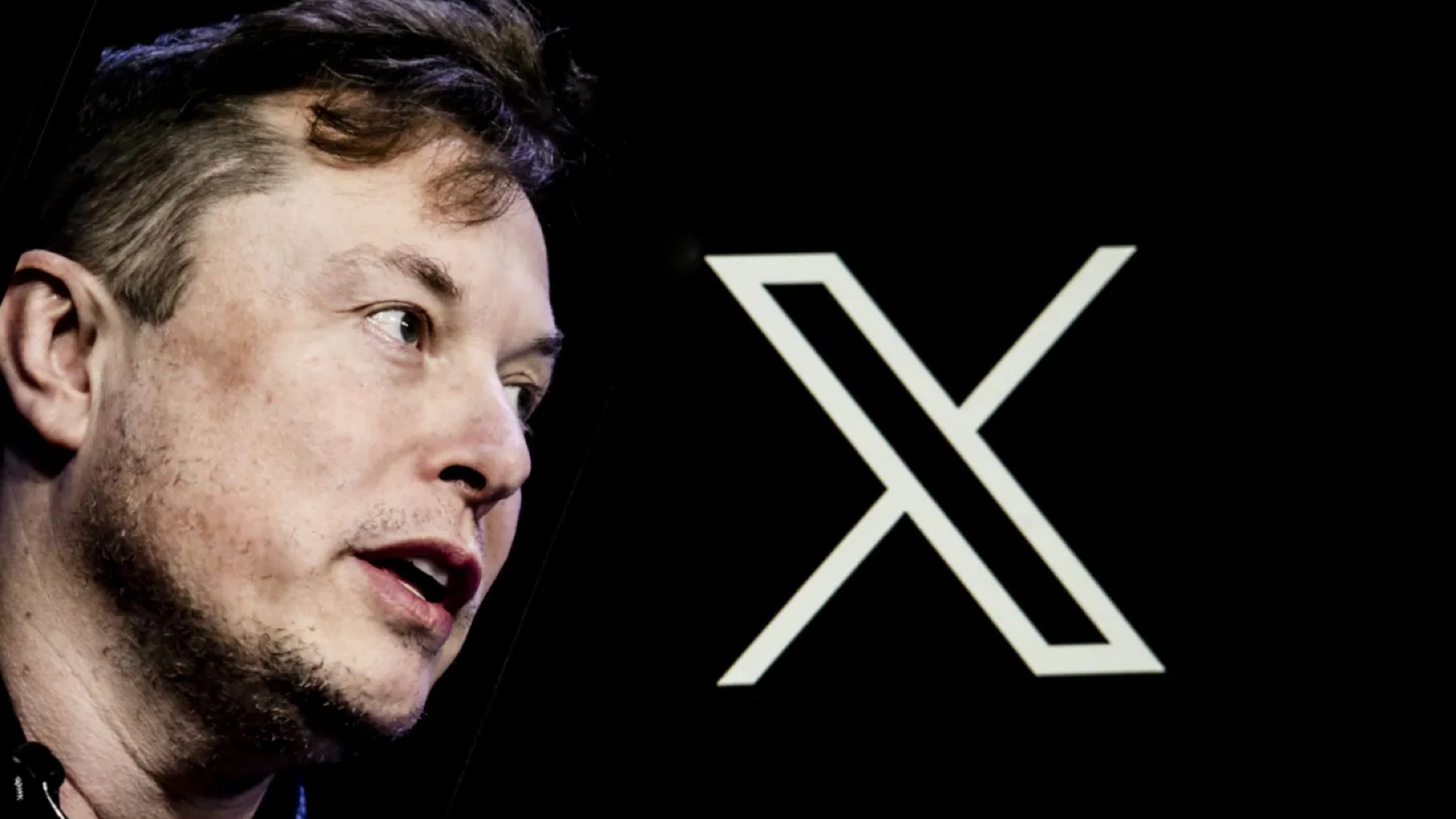
The deepfake promotional video starring Senator Harris with an altered voice on subjects like diversity, America’s President Joe Biden, and border policies reached upwards of 150 million over the web after it was shared by Elon Musk. While some dismiss it as a parody, there are those, including Lisa Gilbert of the group Public Citizen, who believe it is opening a floodgate which is dangerous.
With the improvement of the deepfake technology. Politicians such as Governor Gavin Newsom of California and Senators Klobuchar and Hawley are advocating for state and national laws against fake media performances using AI in campaign political advertisements. The issue of how to safeguard voters rights without infringing on individual free speech remains daunting.
The proliferation of social media, with deep fake technology as a counterpart: X amid heavy critique for unmarked AI generated works
The use of social media, and particularly X, has been at the center of controversies or socio-political debates regarding its policies. While some content is identifiable as manipulated media above, other posts, including this one, are disseminated without any disclaimers, thus making it hard for the users to draw a line that separates real from unreal.
For instance at least over 20 million individuals viewed a deepfake video of President Joe Biden cursing on X which carried no clear label indicating it was AI generated. The example reveals the inadequacy of existing platform policies to mitigate the spread of falsehoods.
In addition, X prohibits the opening of parody accounts unless such accounts can clearly indicate that they are dissimilar. However, this presents a challenge when individual posts are seen by some as purely humorous while interpreted by others as altering the truth of the matter.
Meta, the parent company of Facebook and Instagram, has put in place a policy on –media manipulation- which does not cover satire but there is no Such through quality control in standards across all media. These and other issues create complications for the moderation of manipulatively altered images and videos users post to social media, as these involves both parody and misinformation, but often without clear guidelines from regulators.
The participation of foreign nationals in political campaign activities in the US: A violation or a permissible act?
Musk claimed that the UK Labour Party has contravened US electoral laws due to the statement by Sofia Patel seeking help in Kamala Harris’ campaign and mentioning arrangements for one’s lodging. Right-wing political figures such as Marjorie Taylor Greene countered that there is nothing right about the interference of foreign countries in the politics of the US.
Nevertheless, it is allowed under the law for foreign nationals to offer their services to the election campaigns without making any monetary contributions. Some patriots such as Nigel Farage however hold a different opinion on foreign participation in politics.
This case illustrates the increasing apprehension regarding the organized attempts to meddle in American elections, with the Federal Election Commission’s stance being mute. With the upcoming 2024 elections the excessive use of deepfake technology and social media to manipulate data come with many worries. The Harris deepfake advertisement and the Musk-Labour transformer polemic illustrate the necessity for clear guidelines regarding the manipulation of content for the purposes of influencing voters.
In the presence of legislation that has already been introduced at both the state and national levels policymakers must find a solution that adheres to the First Amendment and maintains the integrity of the elections. The deepfake rhetoric has officially begun and it has significant ramifications on the voters’ sentiments.