When we think of large renewable projects, we often think of large innovation centers that defy the laws of physics (or pretend to). However, in America, anything can happen, and that’s just what we’re going to talk about today: this is the native tribe that has found 1 GW of energy under the sea. It is so promising that the White House wants to extract it, even if it means opening up the ground itself (which has not escaped controversy, but we’ll tell you about it right now).
1 GW of energy has been found under the sea: Even the White House is on edge
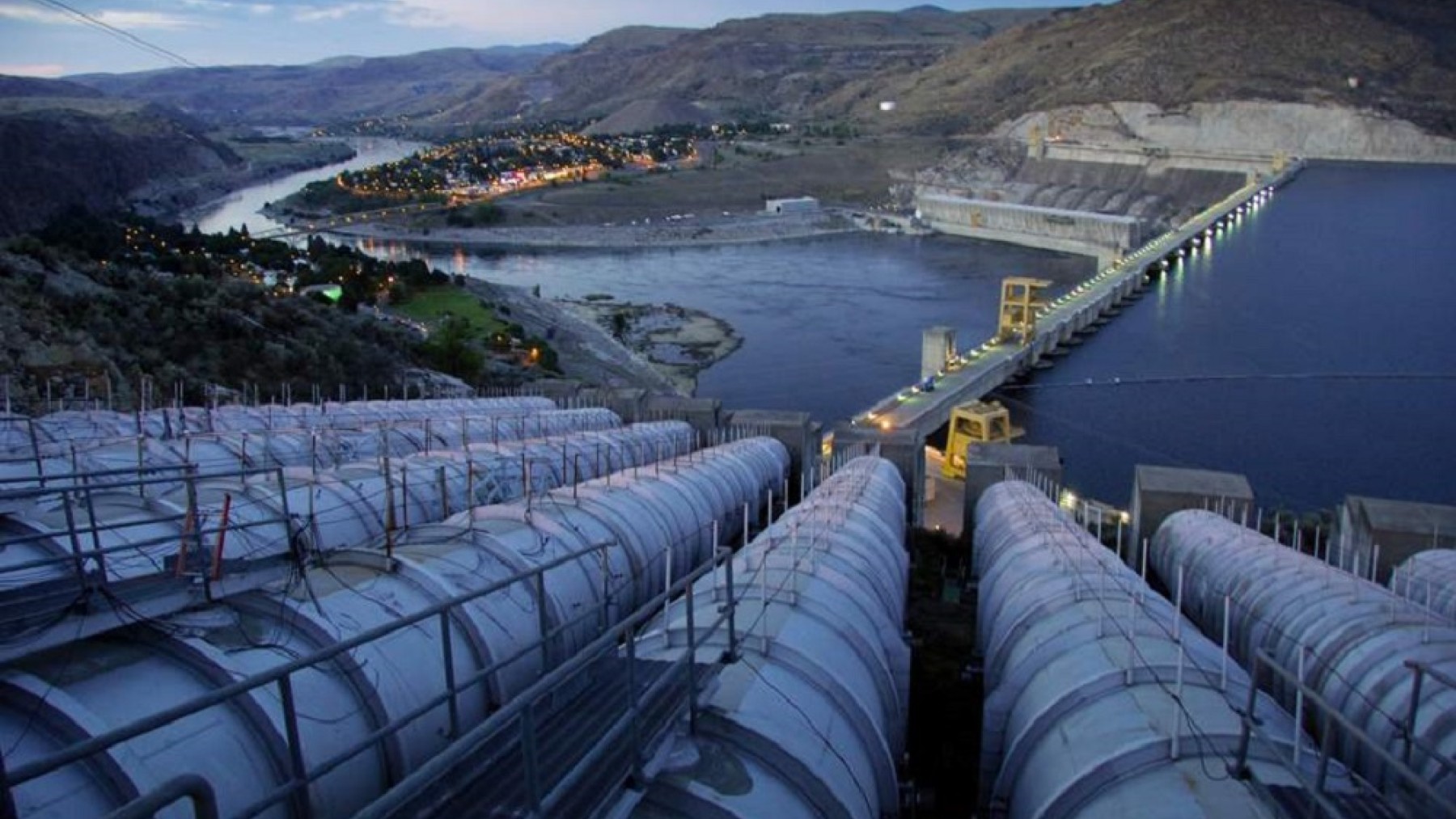
Thus, four Native American tribes, two states, and the federal government agree on sponsoring 1-3 CWM of renewable resources in an attempt to remove dams and restore salmon in the Columbia River Basin. The proposed program is called the Columbia Basin Restoration Initiative.
Its goal is to respond to the existing consequences resulting from the construction of hydroelectric dams and their influence on the environment and Native American people. The accord includes the prospect suggested earlier and benefits from the long-term perspective of the Columbia River’s recovery.
Through the development of large-scale RE projects, the tribes intend to raise the necessary money for removing old dams and financing salmon restoration projects. The tribes involved in the agreement plan are the Yakama Nation, the Confederated Tribes of the Umatilla Indian Reservation, the Confederated Tribes of Warm Springs, and the Nez Perce Tribe.
Tribes are worried about their lands: This new energy could be the worst threat ever
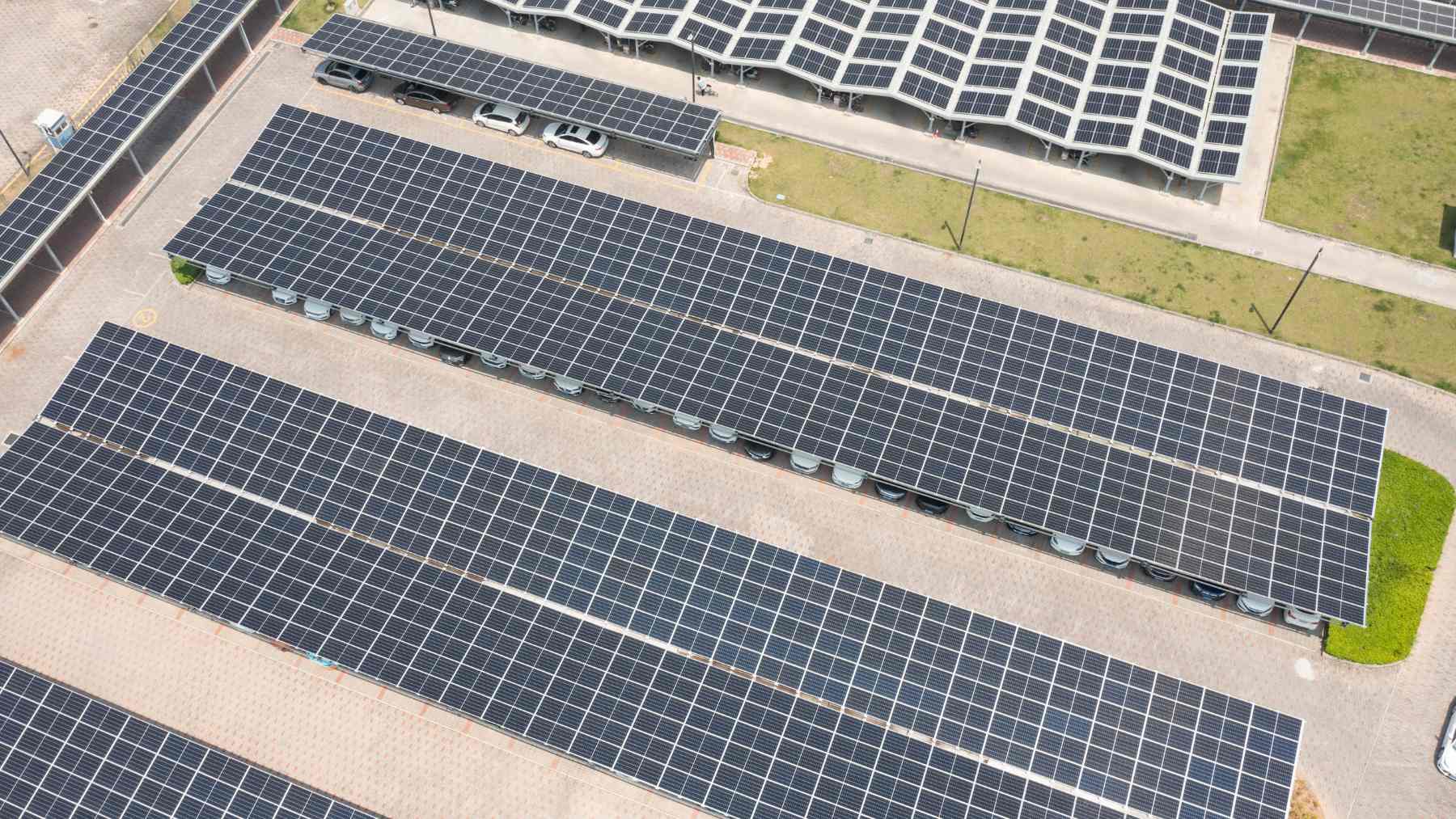
These tribes have always been demanding the destruction of dams and the repopulation of salmon populations, which are in some way connected to their culture and beliefs. The renewable energy projects will be utilized in the tribal domain and involve solar panels mainly.
As you can imagine, it will serve as a permanent stream of income to support the environmental and culture-related activities of the tribes. The proposed plan also affects the Oregon and Washington states and the federal government, which will join hands with the tribes in implementing the formulated plan.
Removing dams and repairing salmon spawning grounds are essential measures to correct the consequences of hydroelectric power generation in the context of environmental and indigenous people in the Columbia River Basin. Hydropower has historically been responsible for the decrease of salmon stock, which the tribes depend on and which also has religious and economic value.
Historic agreement after decades of confrontation: America to generate 3 GW of this futuristic energy
Through the sponsorship of large-scale renewable energy projects, the tribes hope to gather the required finances for the dismantling of the old dams and the funding of salmon populations’ habitats. This way, not only the environmental issues of the area will be solved, but also the tribes will have a sustainable source for their development economically and culturally.
The agreement is a noble achievement towards realizing the goal of promoting the use of clean energy while at the same time conserving the social and natural assets of the area. It depicts a win-win strategy where different parties comprised of tribes, states, and the federal government seek to come up with a solution that will somehow solve the problem.
The renewables are expected to create between 1 and 3 GW of power, and according to the analyst, these are potential benefits to the region. This change also encourages the utilization of renewable energy sources, thus endeavoring towards the general elimination of the use of fossil fuels in the provision of energy.
The treaty signed is true to the extent of the hardness and desire of Native American tribes in the area of the Columbia River Basin. They have struggled for several years to preserve their cultural and natural diversity, which, as this action indicates, is a step forward in the development of this healthy and prosperous area.
It is clear that hydroelectric energy continues to be a topic of debate as it compromises natural ecosystems, although in America at least we have achieved a certain consensus with the communities that inhabit them. This is exactly what has not yet been achieved in Europe (where entire projects have been paralyzed) and in China (where they are being imposed by force). It is a difficult balance to achieve, but one that we have been able to protect for future generations.