Renewables are taking over electricity generation in much of America, especially in southern states like Texas. However, they are often seen in big cities or deserts, as part of large technology infrastructures. What if we told you that an American tribe wants to explore a new zero-emissions energy? The project is ambitious, but we are in danger of losing $10 bn.
This American tribe has a new, renewable energy, but it´s on problems: what has happened
The SunZia transmission line is a $10 billion energy project that is constructed on the controversial path that passes through the places significant for the history, culture, and religions of the Native American tribes in Southern Arizona. It´s similar to what is happening in Alaska with the substitution of fossil fuel extractions.
Nevertheless, some of these tribes have sued for this, and legal struggles have reached the court, where a U. S. district judge has declined their stand, and this has made the project continue. One largely proposed transmission line is the SunZia project. Have you heard about it?
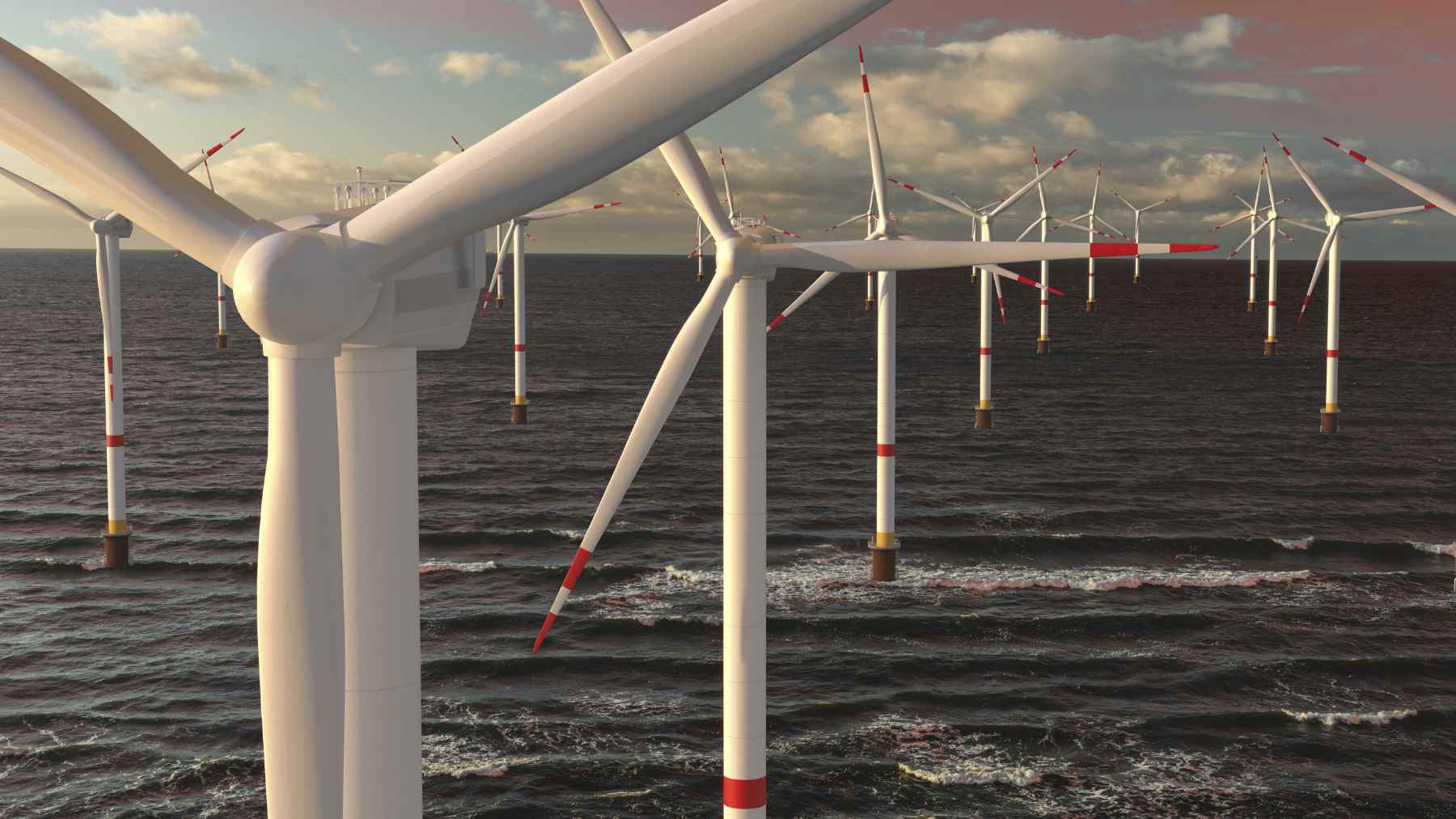
It is planned as a 550-mile (885-kilometer) long, 3,600 MW transmission line to transport wind-sourced electricity from New Mexico to such locations as California. This proposed project has found sympathy among the Biden administration, as it is being considered in the overall fight against climate change.
3600 MW of futuristic energy we could lose: Apache tribe and the conflict in their lands
Nevertheless, this part of the construction of the project has generated a lot of controversy, especially from the Tohono O’odham Nation, San Carlos Apache tribe, and many other tribes in the South Western U. S. They maintain that the area has a rich cultural and historical value hence refuting the minister’s assertion.
For further details, in January 2024 the Tohono O’odham Nation in partnership with the San Carlos Apache Tribe, the Center for Biological Diversity, and Archeology Southwest moved to court and sought an injunction against the construction of the transmission line.
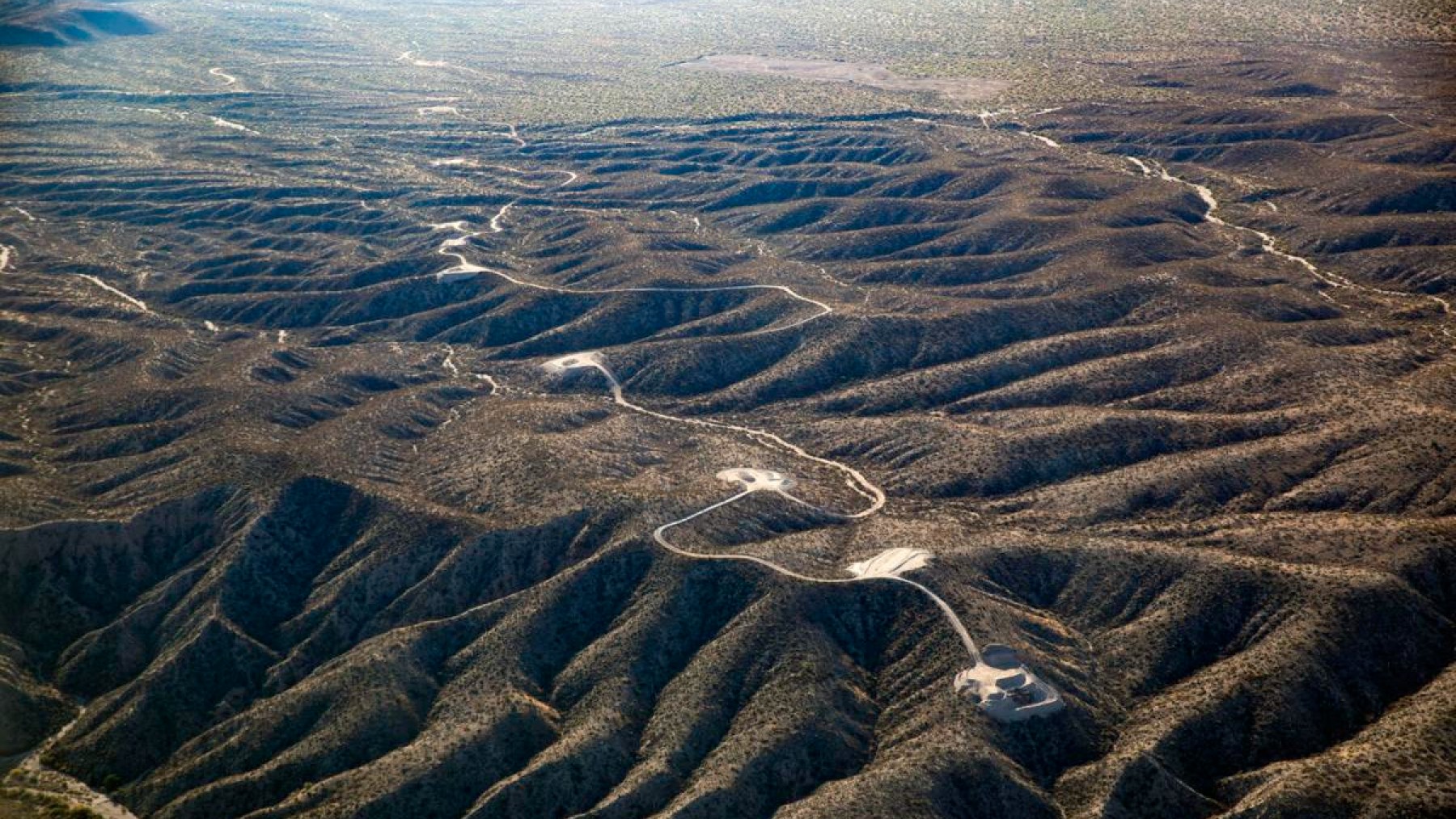
They wanted to stop the removal of brush, trees, and other vegetation which clears space for roads and pads for work for a 50-mile (80-kilometer) extent of the San Pedro Valley. However, all efforts to ensure the tribes get justice were futile since U. S. District Judge Jennifer Zipps denied the tribes the chance.
It claimed that their complaint had been filed late. The judge concluded that the Bureau of Land Management had met these requirements stating that the authorising agency had all the required historic sites and the inventory of cultural resources was made before the project began.
SunZia project, in detail: the world is on edge with this renewable energy plant
For the SunZia project, Pattern Energy, a California-based undertaker, expressed satisfaction with the decision, in terms of resulting jobs, economic development, and investment streams enclosed by the proposed transmission line.
The company’s Chief Development Officer, Cary Kottler commented on the decision by noting that this will give certainty going forward that projects that have gone through permitting processes and have processed all legal approval for that project will not have the viability of those project threatened years into the project.
However, the tribes have not undermined their word that they will seek the legal process while the nature conservation groups spearheaded by the Centre for Biological Management have suggested that an appeal may be expected.
Robin Silver, the co-founder of the Center, was angered by the continuous attacks and the aggressive attempts of the power company to push forward with the construction project even when legal measures remained an option for them.
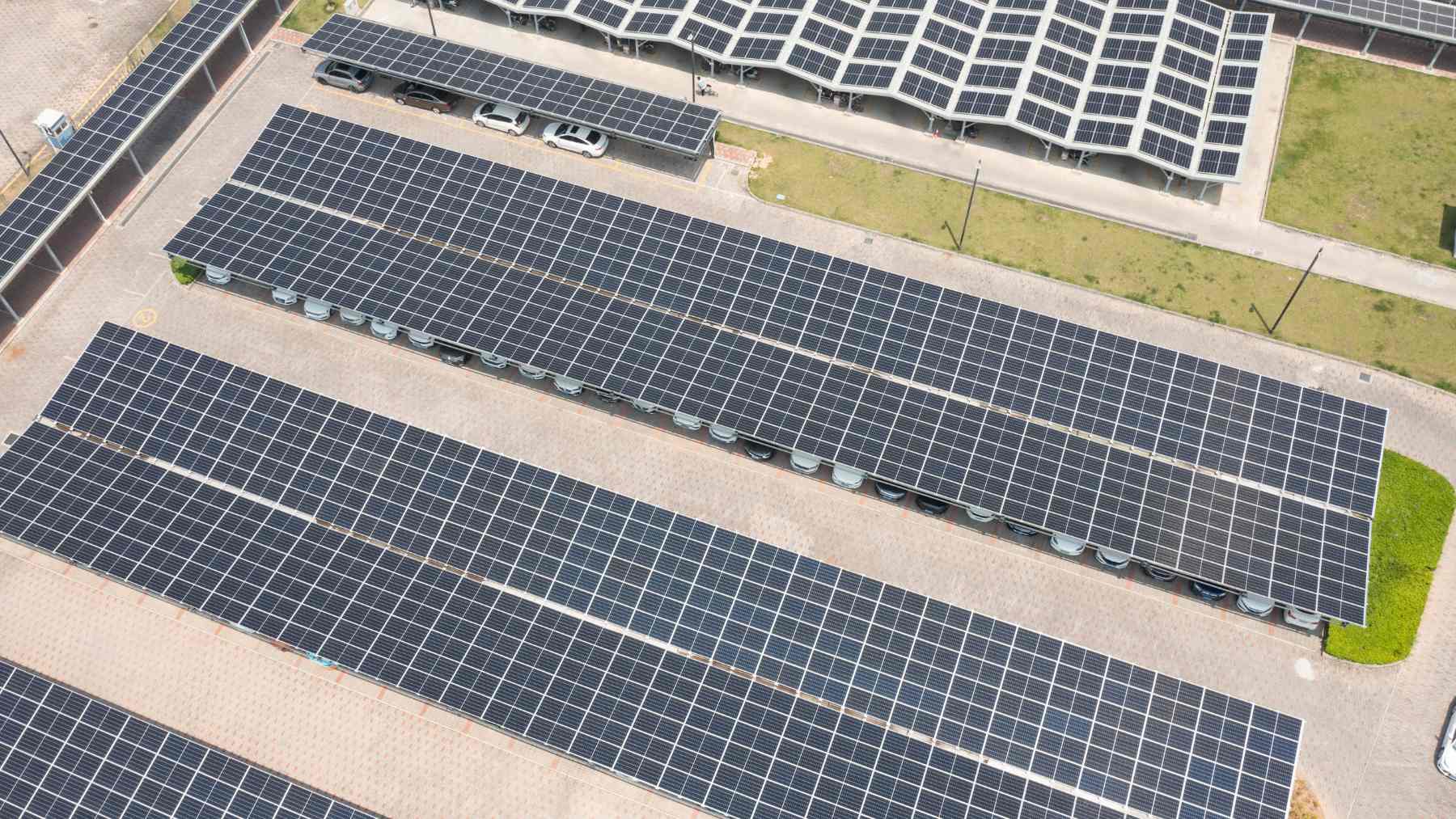
The conflict regarding the construction of solar panels in New Mexico as part of the SunZia project is related to other works from the Biden administration and associations with green power sources and Native American tribes. In Nevada, tribes are protesting a white mask lithium deposit, as you have seen.
This new project highlights how America seeks a more sustainable future for energy, not just in its cities, but even on tribal reservations. This is a proposal that, while it has tried to be stalled because of its impact on natural ecosystems, will go forward with all the legal safeguards. However, we have been on the verge of losing $10 bn, something we would never have imagined at the time.