The “petromonarchies” are a place as eccentric as they are extravagant, and one that mankind looks at with surprise. The truth is that the oil crisis did not remain in the last century, but has now returned stronger than ever, but in reverse: they have so much money that they do not know how to spend it. One example is Saudi Arabia, which is building the largest human structure in history, with a massive energy that even Japan does not know and that will be seen from space. Do you know what we are talking about?
This is the largest human structure ever: It can be seen from space, but it’s a “monster”
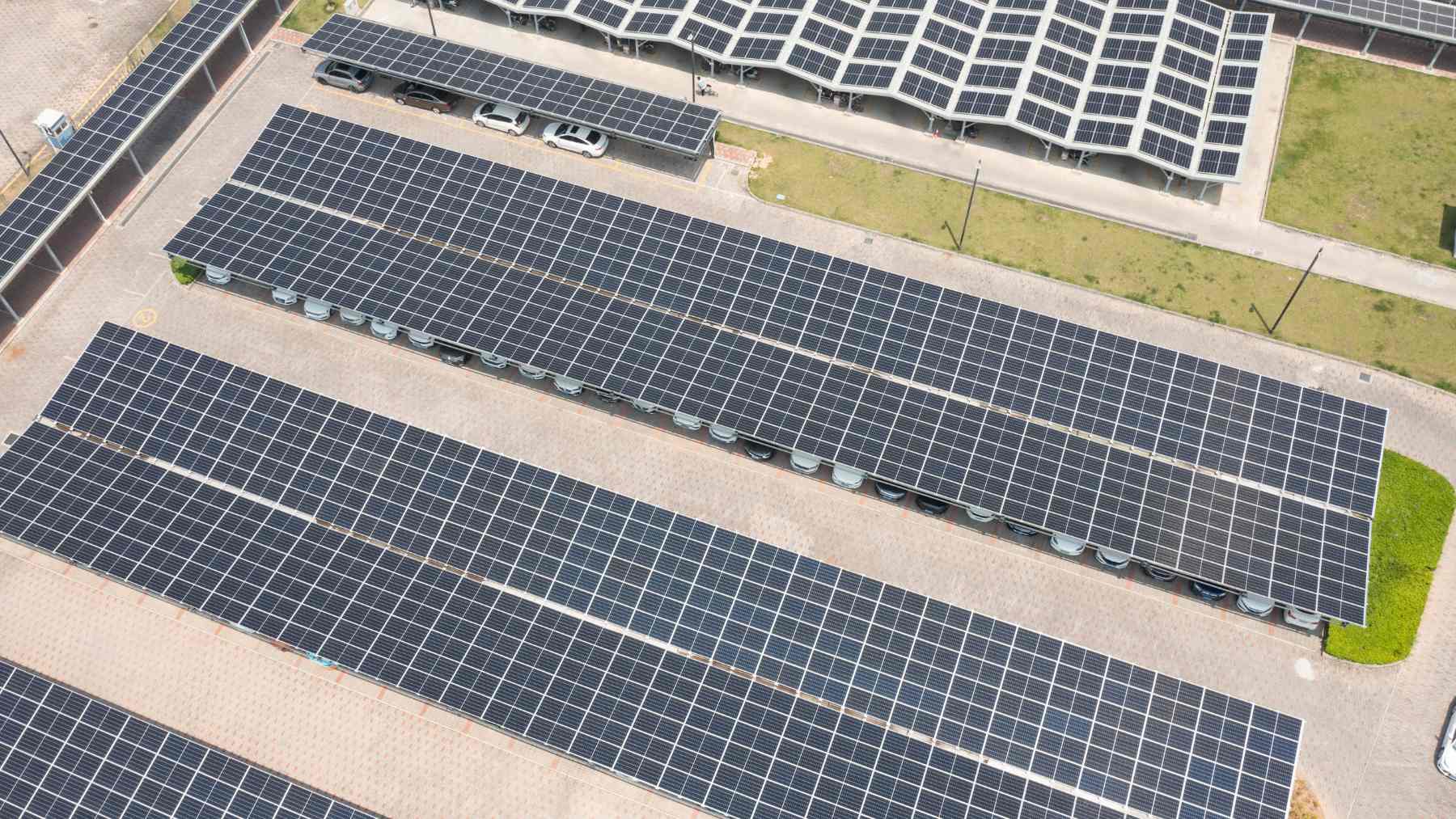
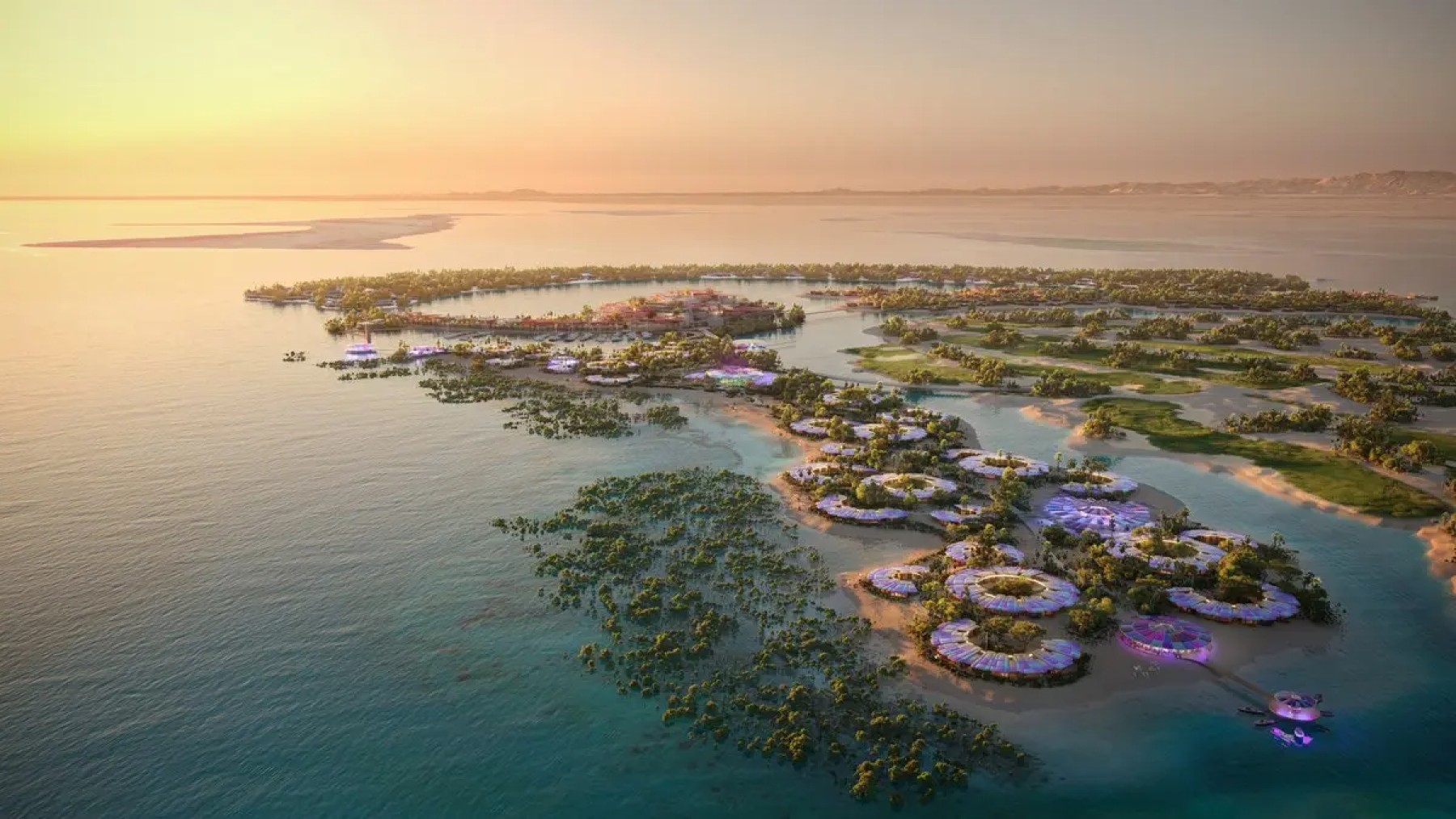
The Red Sea Project is another mega project whereby KSA wants to develop the western coast of the kingdom into a global tourist hotspot with a focus on sustainability. Thus, the primary focus of this megaproject is an ambitious indicator: 750,000 solar panels will be installed. Thus, it’s even bigger than Californian photovoltaic plants.
RSG is a company wholly owned by the Public Investment Fund of Saudi Arabia. The Red Sea Project occupies approximately 28,000 square kilometers of the area and plans to comprise 50 upscale resorts with up to 8,000 hotel rooms and over 1,000 residential structures by 2030.
Nonetheless, sustainability has always been a core priority of the project in light of the Kingdom of Saudi Arabia’s ambition to achieve net-zero carbon emissions by 2060. Indeed, for this mega development to be powered 100% by renewable energy, RSG has erected five solar stations in the project.
The Red Sea Project has the world on edge: Saudi Arabia wants to cover its dunes with 750 k solar panels
These solar stations are well-placed near almost all the vital resorts, including the Six Senses Southern Dunes, Red Sea Resort and Spa, the Desert Rock mountain resort, and Sheybarah Resort on Sheybarah Island. In these stations, there are 340 MW of solar panels that have been incorporated in the course of the project, therefore serving as a source of power.
But then the question arises: this solar power alone cannot be relied upon for 24/7 development, as it is a sunlight-powered source. In response to this, RSG has featured the biggest battery storage facility in the world, with these keys to prove that it’s one of the most ambitious ideas from the Arabic country:
- It has a total capacity of 1,200 MWH (yet to be theoretically expanded).
- This huge battery storage system forms part of the system, which in totality makes the Red Sea Project function off the grid.
- It makes possible a supply of 24-hour renewable energy power.
Saudi Arabia brags about its plan, but everyone looks at this: The project’s key figures
One has to admit that the scale of the renewable energy system in the Red Sea Project plan is phenomenal. There are 750,000 solar panels planned, and only choosing such a project shows the government’s determination and the desire for more sustainable energy. In addition to that, the battery storage facility of 1,200 MWH is also the biggest in the world, according to the project.
This immense storage system can support the entire development for more than a couple of days, hence fulfilling the concept of renewable energy. Apart from the main energy solutions of the solar manufacturer and battery storage, the Red Sea Project has also approached transportation within the development project to be 100% solar-powered.
This is in regard to the movement of visitors from Red Sea International Airport to their hotel and accommodation and in and around the various resort zones and neighboring islands. The measures that the authors took to ensure the sustainability of the project do not only boil down to the production of energy.
Saudi Arabia’s intention with The Line is not only to revolutionize the field of energy, but also to develop a new city model in which, according to local authorities, sustainability is the prevailing value. The problem? Experts have already warned that it could become a “hell” in the middle of the desert, for which they have asked for something as curious as it is difficult to do: change its shape for something quite different. Will we have to call it The Circle? We will see first if the Arab country manages to finish this project.