The energy transition in America is seen as an opportunity and has already received the commitment of most public administrations and companies. However, there is a general consensus about its slowdown, which causes disappointment. In this regard, a group of experts has just revealed the cause: it is not the money, but something worse.
The energy transition slows down: will it come to a halt?
The transition from fossil fuels to renewable energy in the United States has slowed significantly in recent years despite ambitious climate goals set by the Biden administration and many states.
Experts warn the problem is not a lack of funding but rather more systemic issues that impede progress. The high upfront costs of building large-scale renewable energy projects, regulatory barriers, continued subsidies for fossil fuels, lack of transmission infrastructure, and consumer behavior are all contributing factors.
Politics and lobbying efforts by fossil fuel companies also play a role in stalling the transition. This article will examine the key obstacles slowing America’s shift to clean energy and why overcoming them requires more than just throwing money at the problem.
There is a lack of urgency despite the pressing need to decarbonize the energy system to deal with climate change. With comprehensive solutions, the US could speed up the vital transition from polluting energy sources to renewables.
The problem uncovered by experts: states are not making it easy
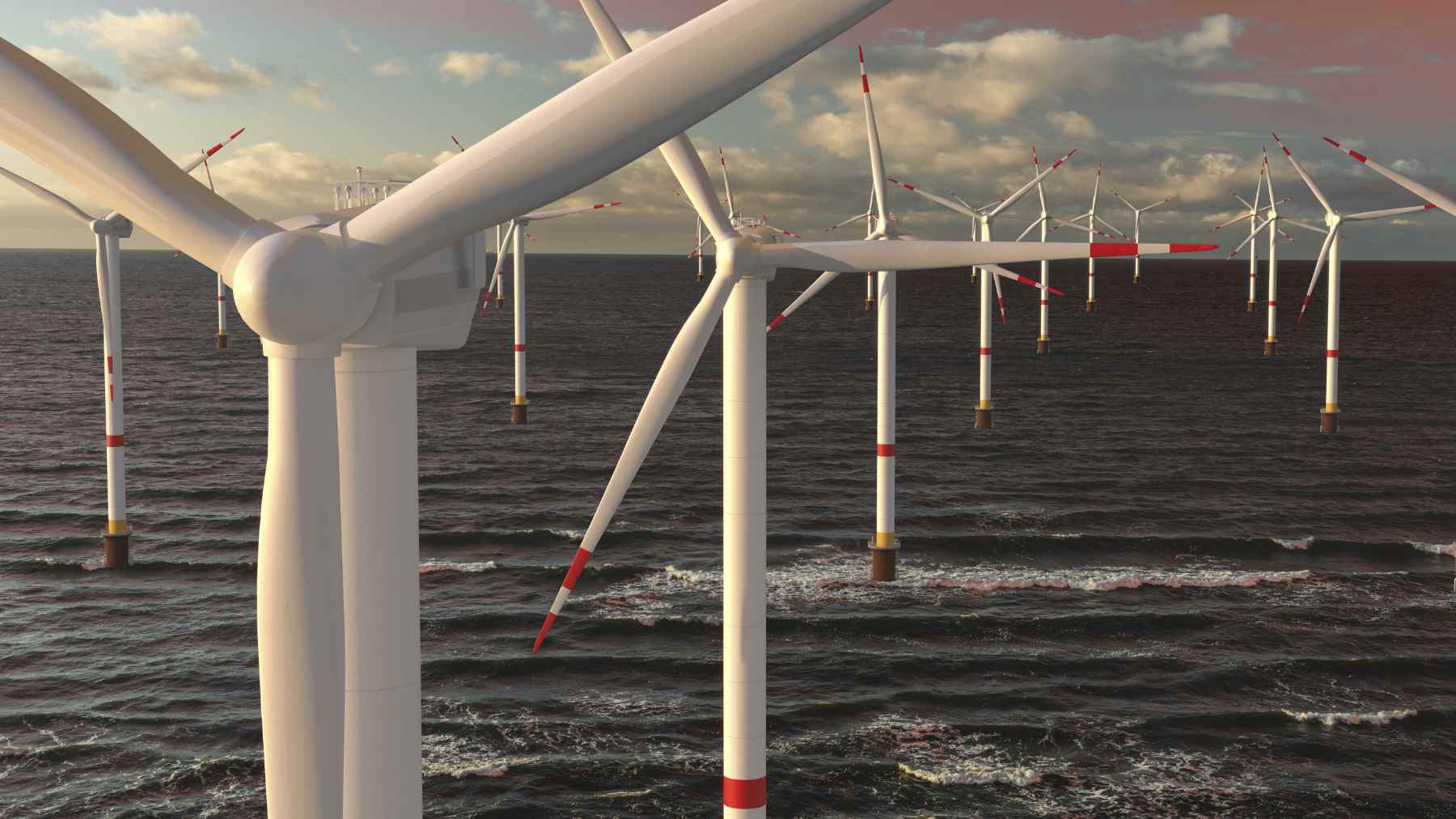
The current regulatory system poses significant obstacles to scaling up renewable energy in the United States. Permitting and siting for clean energy projects can be an extremely lengthy and complicated process due to outdated regulations.
Many regulations were designed decades ago with fossil fuels in mind, not modern renewable energy technologies. As a result, companies have to navigate complex bureaucracies not built for the unique needs of wind, solar and transmission projects.
The permitting process is fragmented across local, state and federal levels. Energy companies have to comply with different standards, fees and paperwork depending on the jurisdiction. This slows down projects and disincentivizes investment.
Siting renewable infrastructure also faces not-in-my-backyard (NIMBY) opposition at the local level. Proposed wind and solar farms or transmission lines running through communities are sometimes blocked due to zoning laws or local activism.
The other, even more serious problem: subsidies that are holding back progress in America
Despite stated goals to transition to clean energy, government subsidies still favor fossil fuels in America. This makes it difficult for renewable energy sources to compete on a level playing field.
Fossil fuel companies receive billions in tax breaks and direct subsidies from the federal government. These handouts artificially lower the cost of oil, gas, and coal – enabling continued investment in carbon-intensive infrastructure.
Meanwhile, tax credits and other incentives for wind, solar, and other renewable technologies are much smaller in scale. Renewable projects often cannot secure financing without subsidies to offset their higher upfront capital costs.
Shifting subsidy patterns to favor clean energy adoption would accelerate the transition. But entrenched political interests have lobbied to protect fossil fuel subsidies. Breaking this gridlock remains a key obstacle.
The unlevel subsidies field limits consumer choice. With fairer competition, market dynamics would likely enable cleaner technologies to win increased market share based on merits like long-term cost savings and environmental benefits.
As you can see, the energy transition in America is not going as fast as we would like because of organizational, technical and technological problems. Although the experts have not mentioned them, we would like to add the bureaucratic ones, as is the case in the European Union and the rest of the West. So here we have the challenge that we will have to address sooner or later.