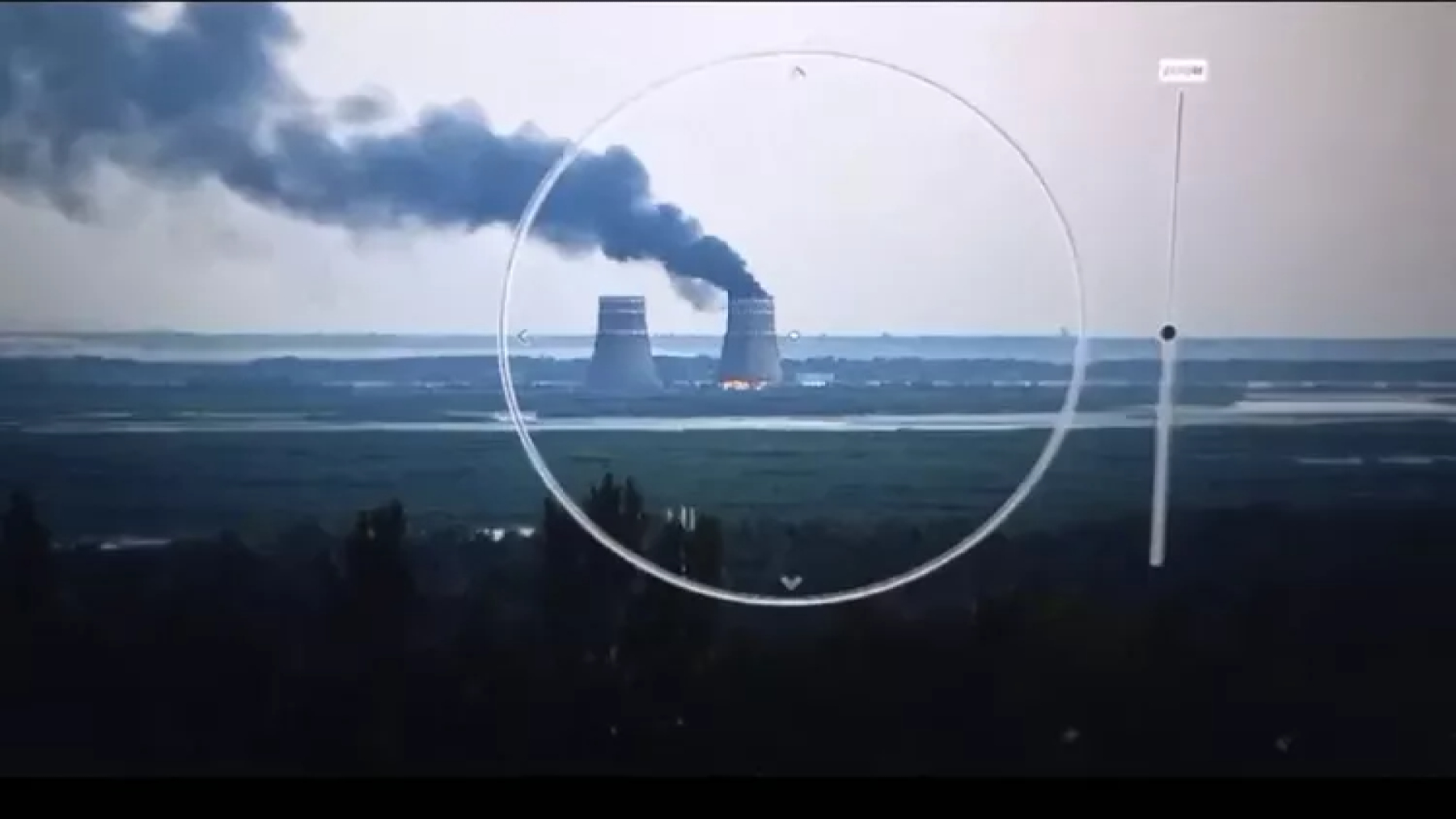
The Zaporizhzhia Nuclear Power Plant (ZNPP), located in eastern Ukraine, has been a focal point of global attention due to the conflict in this country. The Russian troops captured this plant in 2022 and since then have faced a multitude of threats like fire, military action, or damage to infrastructure. Notwithstanding clarifications from nuclear safety experts regarding the safety precautions taken at plants, it has been a severe reminder of the need for urgent global protocols to guard against those facilities during armed conflict.
Modern reactor designs: This is how the PWRs of Zaporizhzhia withstand disasters
The area around Zaporizhzhia has seen an increase in fears of disaster through fires, outages, and shelling around the site. However, experts argue that a Chernobyl-like explosion is almost impossible. Unlike the graphite-moderated reactor at Chernobyl, which Zaporizhzhia uses, the plant consists of pressurized water reactors (PWRs), which have no combustible elements and are encased in massive steel and concrete domes.
These modern designs reduce the likelihood of a hazardous radioactive release significantly. Still, loss of power creates serious risks because cooling systems that are used to cool the reactors may fail, along with cooling of spent fuel pools.
There is emergency diesel generation support, but between emergencies, the plant has had to rely on this backup seven times since the conflict started to stretch safety margins. The destruction of Kakhovka Dam makes conditions even more dangerous due to the reduced access to cooling water.
Zaporizhzhia: A plant which is embattled in a nuclear fire unprecedented conflict
This is the most unprecedented scenario: a nuclear plant turned into military target. Constant shelling, drone strikes and even presence of landmines on the premises intensifies risk of nuclear incident because of the occupation of ZNPP by Russian forces.
The International Atomic Energy Agency (IAEA) has sent inspectors and even suggested creating a demilitarized safety zone around the site, thus, these measures remain unimplemented. The agency has identified that all seven pillars of nuclear safety are compromised at Zaporizhzhia. These include protection of critical infrastructure and prevention of military use of the facility.
Global responses have been mixed since legal ambiguities have hampered a proper response. The Geneva Conventions and IAEA protocols did not specifically bar military actions against nuclear facilities, which leaves ZNPP in a dangerous legal gray zone. Thus, calls to establish a specific treaty to preserve such plants during armed conflicts remain pending. This emphasizes a greater call for making an urgent consensus in the international setting.
Europe’s preparedness: Contemporary response influenced by chernobyl and Fukushima lessons
Though Zaporizhzhia is at risk, Europe and other places are better prepared to respond today than decades ago in similar emergency types. Learning from the mishaps at Chernobyl and Fukushima catalyzed higher standards, guidelines, and coordination of efforts across America and Europe.
In Europe, the IAEA collaborates with HERCA and EMSREG, to enhance preparedness even from facilities that have been affected by armed conflicts. Evacuation plans, communication setup, and distribution of iodine tablets are a few examples of such efforts to ameliorate public health risks due to radiation exposure.
However, they say only planning cannot replace a preventive approach. Safety margins continued to drift for ZNPP, and the IAEA, therefore, has issued a “grace period” warning, as this could end without proactive measures. Any radioactive release, however small, could have transborder consequences, increasing the war footprint on millions.
Moreover, Zaporizhzhia marks a stark reminder for the nuclear reactor facilities that military war infers risks. Even though modernization of reactors would usually reduce disastrous events, the margins for safety are becoming slimmer as urgent measures need to be taken. An international treaty prohibiting attacks on such sites, plus refreshed safety standards for conflict zones, will be pivotal towards the avoidance of future disasters. The clock is ticking.