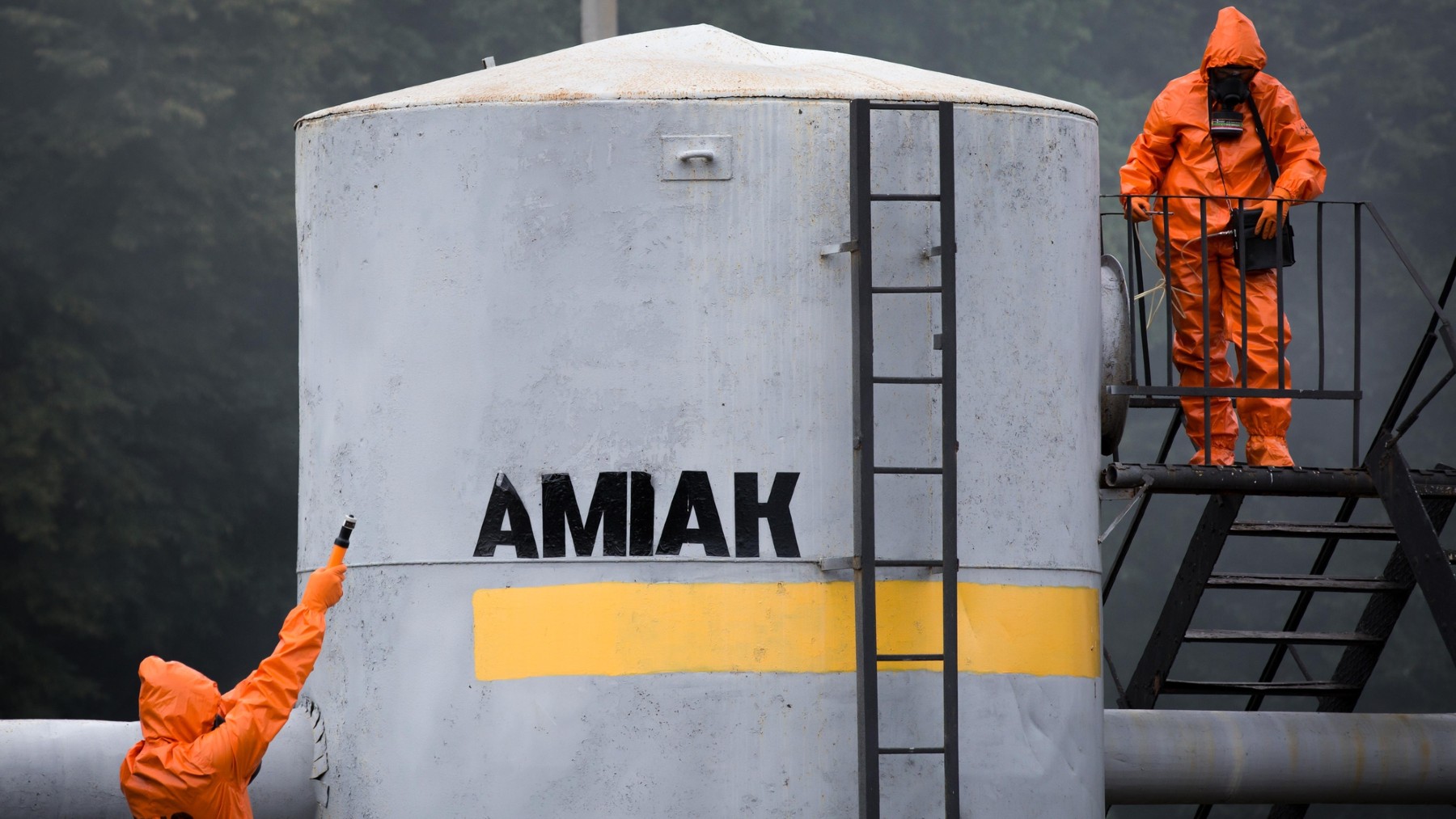
Car brands have just made the leap to a new type of fuel that leaves EVs and FCEVs far behind. Can you imagine which one we are talking about? It’s not methanol, which we usually refer to as alcohol. It is one that, although it is toxic in its usual form, is now going to solve one of the biggest problems: the challenge of range in zero-emission engines, something that is now going to skyrocket.
EVs are disappearing, but so are FCEVs: watch out for the new fuel
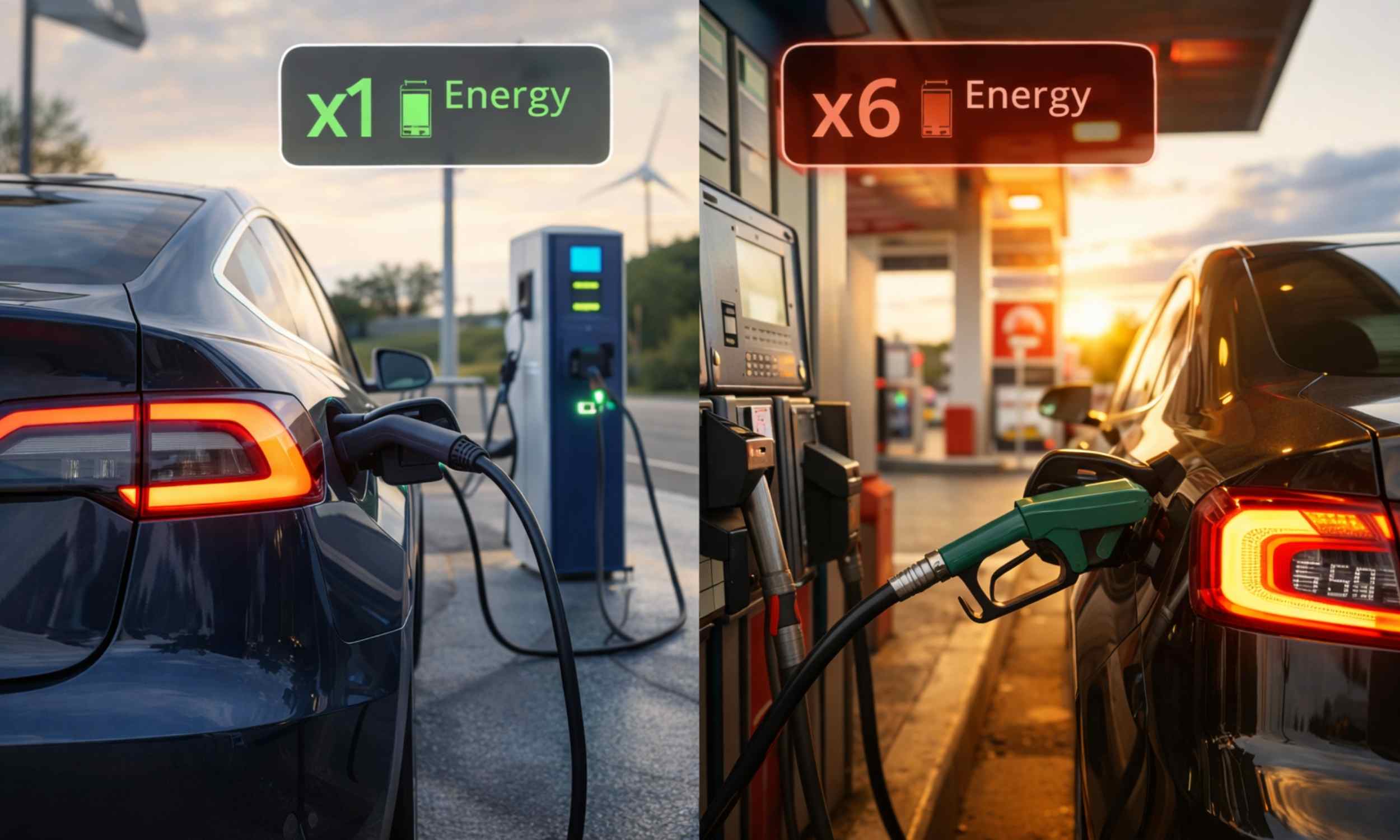
The electric vehicle revolution has been promising to the future of transportation and to the emission reduction. Though it has high costs, very limited range, and the absence of charging infrastructure, it has been impossible for everyone to buy and use them.
Range anxiety is the main problem for those who are thinking of buying an electric vehicle, since most of the car that can go up to 250 miles can they mainly to it that is the most affordable one. This is not always possible for long trips or rural driving.
Sky-high prices, in addition, are a reason why buyers are not interested in buying. EVs need big batteries and hence, they are thousands more expensive than gas cars which are comparable. Despite the country-wide incentives, the average EV price is more than $55, 000, therefore, most buyers cannot afford it.
The advantages of ammonia over zero-emission fuels that you already know about
Ammonia (NH3) is a new transportation fuel that is coming up that can be of help in dealing with some of the problems of batteries and hydrogen. Although not without challenges, ammonia has some compelling advantages:
- Infinite Supply – Ammonia is one of the most produced chemicals in the world that is limitless in its output and amount, with more than 180 million tons of it being manufactured each year. More than 80% is used to make fertilizers for the farms.
- Efficiency – Ammonia has one of the highest hydrogen densities by volume, which means it stores nearly 50% more hydrogen than liquid hydrogen itself.
- There is the already existing infrastructure – Ammonia used in industrial applications has the infrastructure already been built for its production, transport, and distribution. Transforming parts of the infrastructure to accommodate ammonia as a fuel is considered as simpler than new hydrogen pipelines.
Why ammonia could be the fuel of the future and not hydrogen?
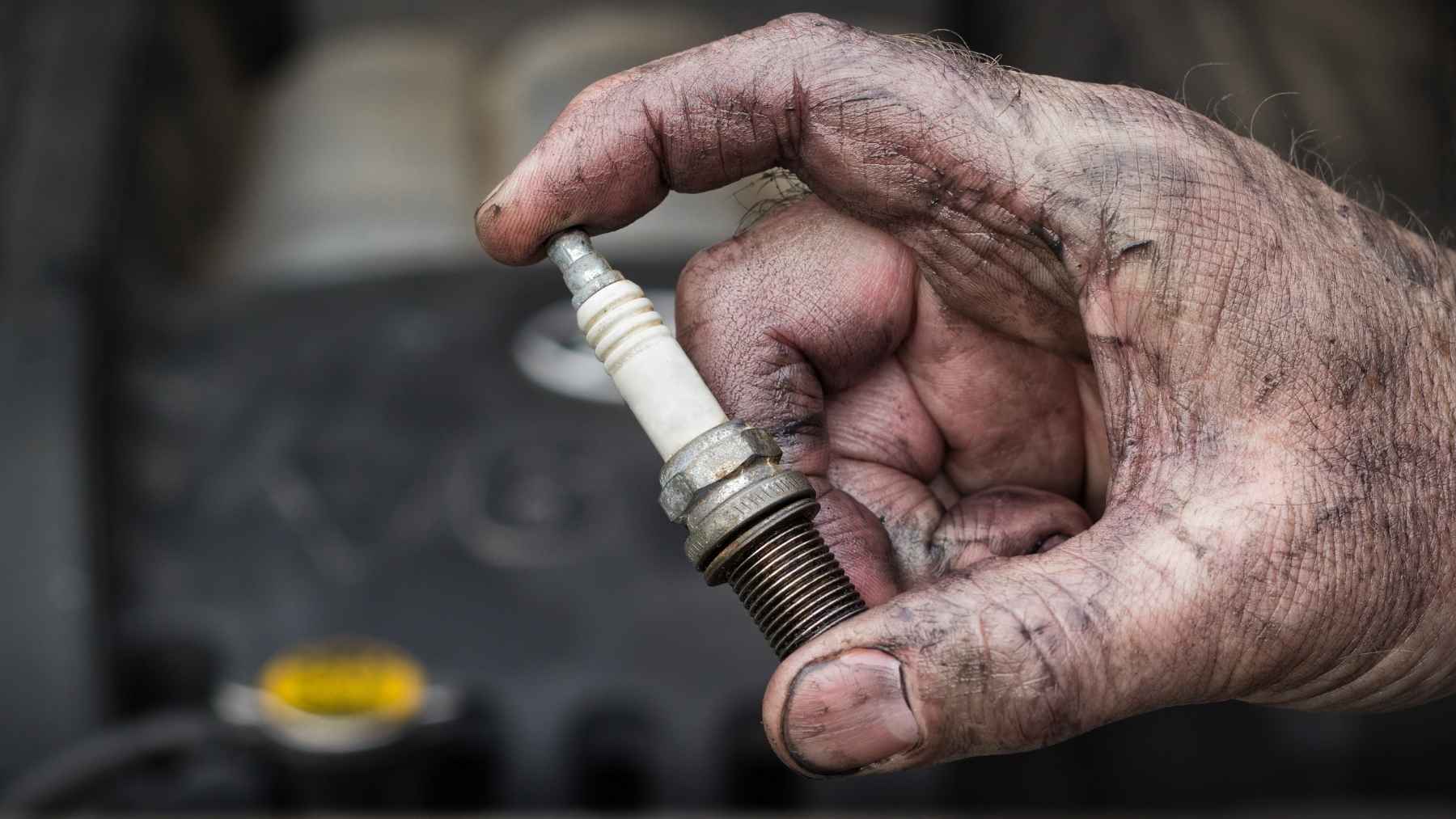
The principles of combustion of ammonia in engines are similar to those of gasoline or diesel, but special engines have to be designed to cope with the different properties of the fuel. Ammonia, after being combined with air and ignited by the spark, burns to produce energy that turns the pistons.
Nevertheless, ammonia has a much lower energy density than gasoline, thus the engine has to be reworked in a higher compression ratio in order to extract more power from each combustion stroke. Scientists have now created new engine models which are built for ammonia.
Toyota created a 8-liter engine able to function on a high ammonia blend creating a thermal efficiency similar to gasoline engines. MAN Energy Solutions created the two-stroke, low-speed marine engines which are able to work on pure ammonia.
Ammonia itself does not release any greenhouse gases such as CO2 when it combusts. Nevertheless, it generates nitrogen oxides (NOx), therefore, ammonia engines need exhaust aftertreatment, mostly, catalytic reduction, to lessen the NOx emissions.
This is the proposal with which car brands want to say goodbye to EVs and, of course, to FCEVs. Ammonia as a fuel could be a future proposition, not only in heavy industry, but also in personal transport vehicles. Its lower cost, lower engine degradation and longer range explain why we haven’t told you about hydrogen today, which is also promising and to which we always like to devote attention.