The U.S. automotive industry is going through a crisis-expansion phase, paradoxical as it may sound. Inflation, the shortage of semiconductors and competition from China have finally wrecked costs and driven them to stratospheric figures. In this context, the sector has confirmed a new minimum price for EVs that is far from our forecasts, but in the opposite direction to what we would have liked to expect.
An affordable EV? Maybe not for the next 5 to 10 years: not good news
The dream of an affordable electric vehicle (EV) for the masses remains elusive. Recent news of Tesla canceling plans for a $25,000 EV underscores a worrying trend: the new minimum price for EVs is simply too high for mainstream adoption.
Gone are the days when automakers promised budget-friendly electric cars. Industry-wide cost increases have set a new high baseline for EV prices. This dashes hopes of an EV in every driveway. While EVs present many benefits, their potential to transform transportation is limited if only the affluent can afford them.
Cost remains the biggest barrier to EV uptake. With each passing year, the entry-level price rises. 2024 may mark the end of the affordable EV dream. Automakers are shifting focus to higher margin vehicles and away from budget models. But this short-sighted strategy means leaving most buyers behind.
The new minimum prices lock out huge swaths of the market. We risk entrenching EVs as luxury items rather than the transportation of the future. Cost, not lack of consumer interest, restricts access and adoption. More must be done to bring EV prices back down to earth.
Only then can electric mobility be truly equitable and inclusive. The dream of affordable electric transportation for all hangs in the balance. Tesla made waves in 2020 when it announced plans for a $25,000 electric vehicle that would open up the EV market to a wider range of buyers.
This is the new minimum price for electric cars: it was not what we were expecting
The $25,000 price point was seen as a major milestone that could encourage mainstream adoption of electric vehicles. Up until now, Tesla’s cheapest model has been the Model 3, which starts around $46,000. This puts it out of reach for many buyers.
The Model 2 would have appealed to a whole new segment of the population and helped accelerate the transition away from gas vehicles. But in recent statements, Tesla indicated that it is shifting its focus to more profitable models.
With high battery costs and supply chain challenges, it seems producing a ultra low-cost EV is not financially viable, even for Tesla. The company decided to cancel the affordable model in favor of vehicles with higher profit margins.
This is a disappointment for advocates who were excited about the promise of a $25,000 Tesla. The Model 2 could have opened electric vehicles to a wider portion of the market. For now, Tesla is prioritizing its premium models over budget-friendly options. Those hoping for an affordable EV will need to keep waiting.
The problem driving up the price of electric cars: the situation is serious
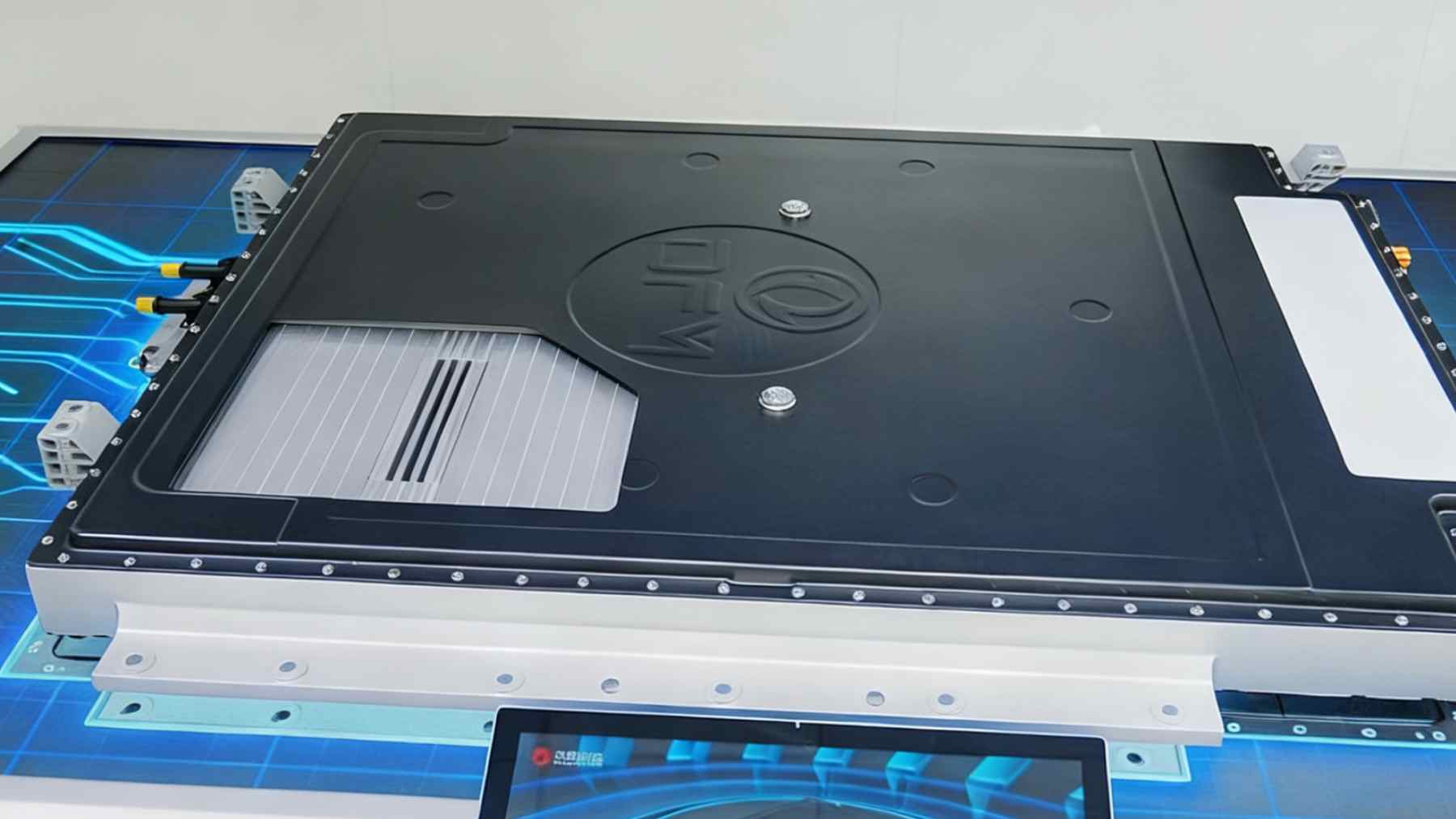
A big factor driving up costs is the soaring prices for battery materials like lithium and nickel. As demand for EVs grows exponentially, battery makers are having to pay more to secure adequate supplies of raw materials. This feeds into higher battery pack prices for automakers.
Rising material costs come on top of already high demand that is straining automakers’ production capacity. With waitlists stretching into the months for some models, automakers feel they can get away with raising prices and still maintain strong sales.
What you have learned is the new minimum price for EVs that American drivers will have to assume. Over the next few years, the forecasts do not look promising, with an even higher increase in costs when the new emissions restrictions are approved. The European Union is already working on this, and the White House is following suit. Do we have reason to worry? Maybe not, but we do have reason to buy ahead.