There was a time when we considered EVs to be the benchmark in sustainable mobility, but it all seems to be behind us. A legendary brand has just said goodbye to it forever, with a new fuel so futuristic that not even the experts can believe it. What’s more, you’d think it’s impossible for a car to run on this, even though they’ve tested it and it works.
This legendary brand has said goodbye to EVs: attention to the new plan
Porsche has been experimenting with the electric vehicle technology almost since the time when electric cars were first invented in the late 1900s. In 1898, Ferdinand Porsche made the Lohner-Porsche, which was one of the first gasoline-electric hybrid vehicles.
Porsche kept on developing EV technology into the 1900s, hybrid and battery-electric concepts and racing vehicles were his main product. In 2010, Porsche introduced the Cayenne S Hybrid, the first production hybrid of the company. This was the initiator of the 918 Spyder plug-in hybrid supercar in 2013.
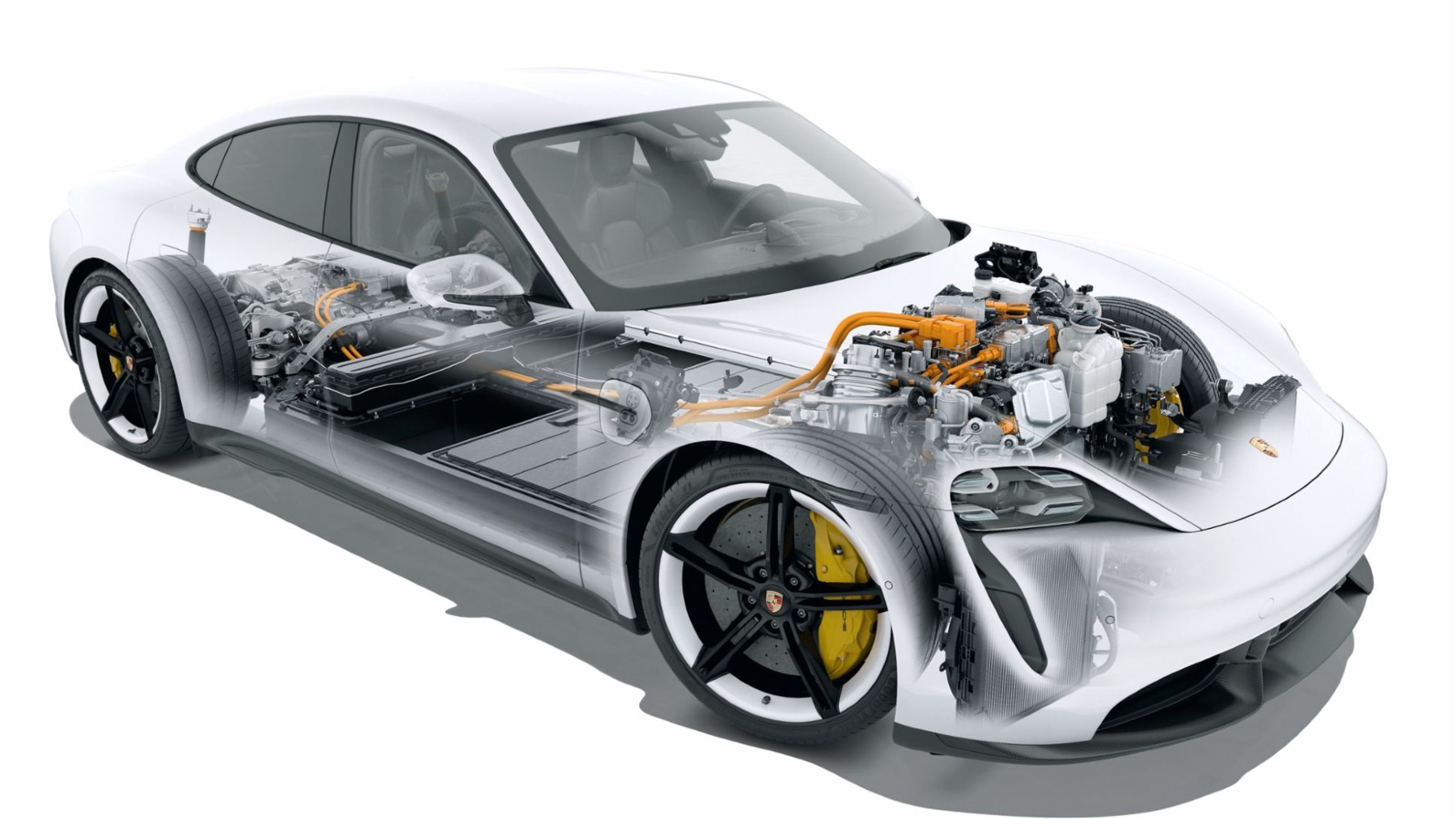
Porsche started its journey in the electric car industry by releasing the Taycan, its first all-electric sports car, in 2019 which was well received by the critics. The Taycan showed that it was possible for EVs to be world-class while at the same time being able to still keep the spirit of Porsche’s iconic sports cars.
Porsche’s initial take on the EV technology is a proof that it is not afraid to be an innovator. Far before the majority of the car manufacturers, Porsche already knew that electric engines are the future of car manufacturing. The present is characterized by the auto industry’s shift to electrification, so, Porsche is using its deep EV roots.
Porsche, a new brand that is considering something more than EVs
Porsche has in the recent past undertaken significant moves to shift its focus on hydrogen fuel cell technology which has put it at the cutting edge. The famous car manufacturer has teamed up with Siemens Energy to start the process of hydrogen systems development and testing for sports cars.
In September 2022, Porsche revealed that it had a prototype hydrogen combustion engine sports car which was for testing it on the famous Nürburgring racetrack in Germany. Porsche engineers and drivers were able to collect important information on the hydrogen to be used in the powering of a Porsche on the difficult race circuit.
Porsche CEO Oliver Blume is also speaking about the company’s hydrogen projects, and he says that “The battery-electric drivetrain will be the best for shorter distances, while the hydrogen-based drivetrain will be the best for longer distances”.
Porsche is devoting a great deal of its resources to R&D for hydrogen fuel cells and combustion engines. It is evident that the world-renowned company considers hydrogen as a future fuel that will be used to power its next generation high performance vehicles.
Porsche knows the advantages of hydrogen fuel cells: check out the details
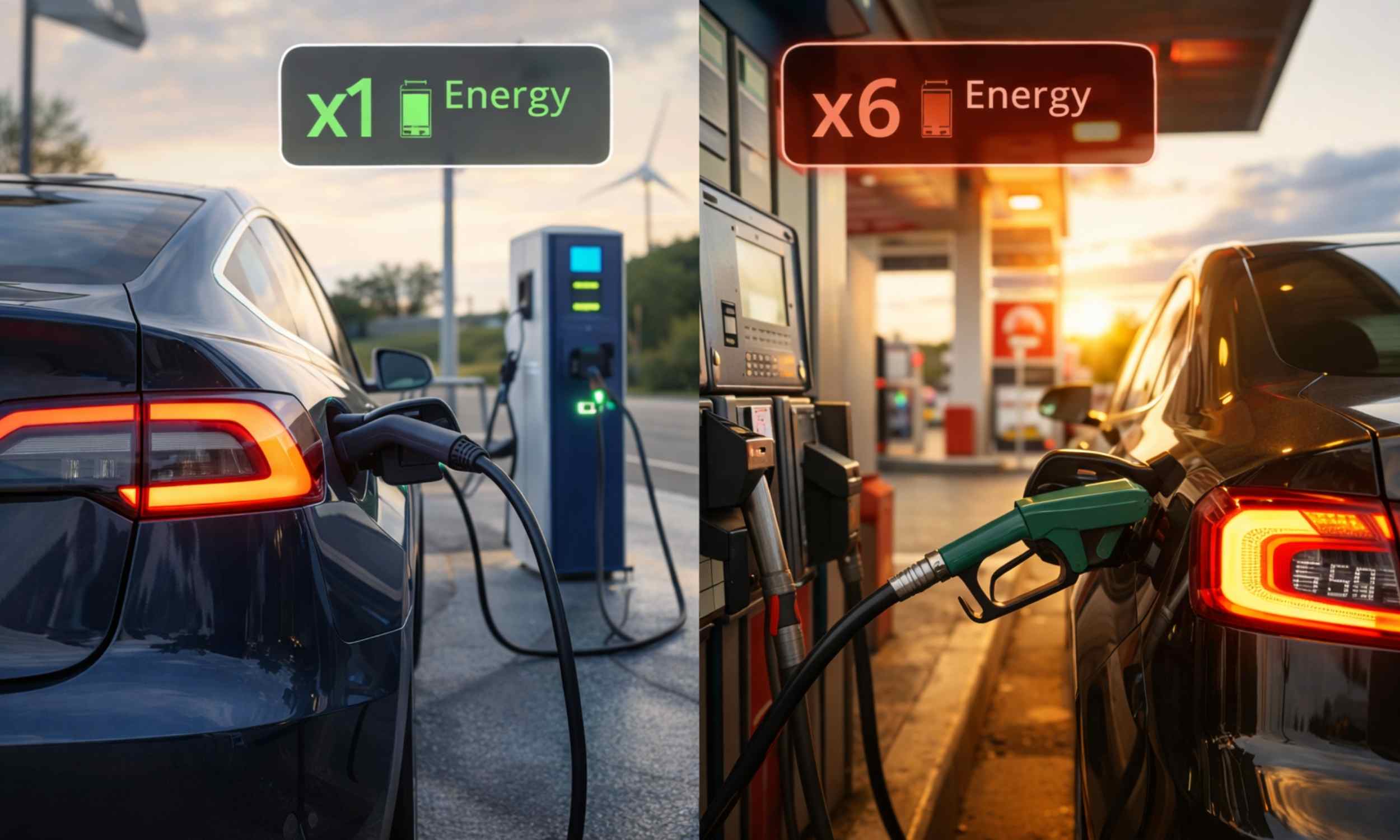
Hydrogen fuel cell vehicles give some of the most important advantages in contrast to battery electric vehicles. The hydrogen fuel cell car requires only a few minutes to refuel, similarly to a gas car. This solves one of the biggest problems of plug-in hybrid vehicles that can take over an hour to charge from a low state to a full state.
Fuel cell cars are another kind of car which has longer distance between refueled. The juice that a battery EV can get is between 200-300 miles on a full charge, while a hydrogen fuel cell vehicle can reach 300-400 miles before refueling. The longer range eliminates the worry about the battery running out.
Besides, hydrogen cars could be cleaner than even the battery EVs, but this is only possible if the hydrogen is produced in an environmentally friendly way. Green hydrogen production through the use of renewable energy, on the other hand, causes the emission of minimal carbon dioxide.
The fact that a brand like Porsche has switched to hydrogen shows that not everything is going to go through EVs. In fact, others are following the same path, such as Ferrari, Hyundai or Kia. However, this new engine will mark a historic milestone by solving the problem of autonomy and taking thermal efficiency to a new level, something we would never have imagined.