The international shipping industry is making a critical effort to eliminate carbon emissions as soon as possible, preferably by 2050. With increasing pressure for the industry to shift to more sustainable solutions, methanol has risen to the challenge of powering the future of maritime transport. Wärtsilä, a leading marine engine technology firm, drives this change.
Being a responsible player in the maritime industry, Wärtsilä has been among the pioneers of methanol engines. The firm in this innovation started with the Stena Germanica ferry, launched in 2015, to operate on methanol fuel. It went on with the release of the Wärtsilä 32 Methanol engine in 2022. These efforts indicate Wärtsilä’s push towards developing the maritime industry sustainably.
Wärtsilä’s Methanol Engine Advancements: A Giant Leap Forward
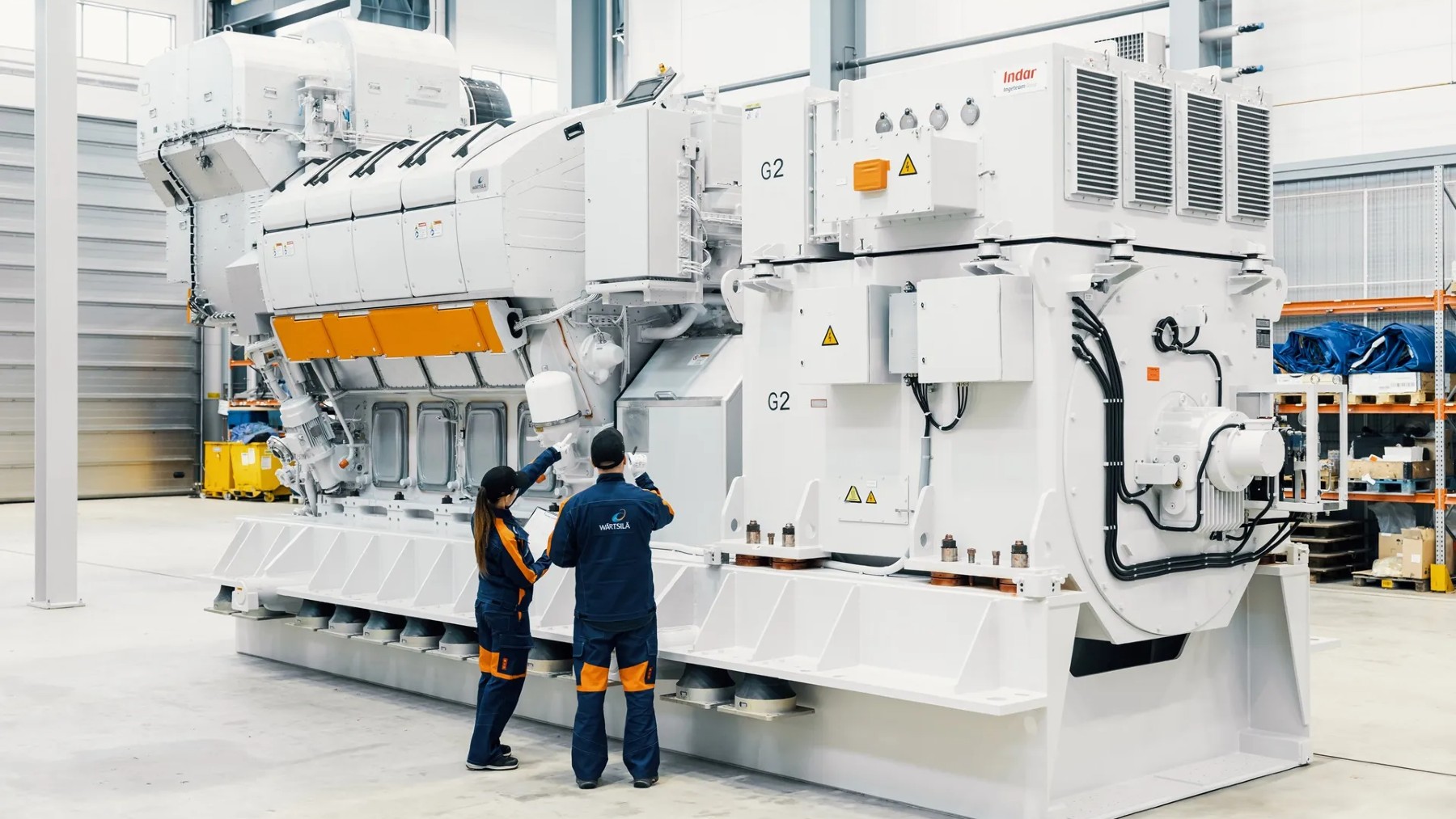
Wärtsilä has continued its leadership in methanol technology with the announcement of four new engines: Wärtsilä 20, Wärtsilä 31, Wärtsilä 46F and Wärtsilä 46TS. These engines are significant milestones in marine engineering, and they are all designed for methanol fuel operation. It adds to Wärtsilä’s product range for different ship types and sizes, thus strengthening the company’s focus on fuel flexibility and the needs of the sea transport market.
The Wärtsilä 20 engine family will consist of the new models, which will be flexible for methanol combustion purposes and can be used in marine applications. This versatility is well suited to the industry’s demand for engines that run on different fuels and are environmentally friendly. Also, both Wärtsilä 31 and Wärtsilä 46F engines will be modified to support methanol fuel, showing the company’s preparedness for the development of the engine market.
Retrofitting for the Future: Converting Vessels to Methanol Fuel
Several significant technologies and factors are involved in converting vessels to methanol fuel. There are retrofit solutions that Wärtsilä has recently designed for high efficiency, especially for Wärtsilä 31 and Wärtsilä 46F engines. Methanol as a marine fuel involves engine changes, fuel systems, and ship operations.
Methanol is particularly favorable because of its capability to fit into existing storage and distribution infrastructure for liquid fuels. In contrast to other AFs, methanol does not require extensive changes to the existing infrastructure, which, in turn, has low conversion costs for ship owners. This is achieved through providing integrated retrofit solutions to warrant that the switch to methanol fuel does not affect the business models of vessel operators.
Of the retrofit engines, the most famous is the Wärtsilä 32 Methanol engine, which was launched in 2022. This multifuel engine can run on methanol, liquid biofuels, and heavy fuel oil (HFO), which is suitable for various propulsion applications. It is used as a diesel-electrical engine and as an auxiliary and variable-speed main engine, proving its versatility in the maritime industry.
Methanol’s Role in Maritime Decarbonization
Methanol is emerging as a promising contender for the role of critical fuel in decarbonization in the shipping sector. It cannot be overemphasized how important it is in the journey towards net-zero emissions. The present study has shown that methanol is a practical and feasible option for decarbonizing the shipping sector. It works with today’s fuel infrastructure, appealing to ship owners who want to reduce emissions but cannot overhaul their fleets yet.
Also, methanol can be synthesized from biomass, making it among the most preferred fuels in the future. The ability to produce renewable methanol makes it a critical player in the future of maritime fuel, and it fights against carbon emissions.
Methanol as a fuel and methanol engine technology is in Wärtsilä’s strategic focus, and retrofit solutions also set out the company’s path to a sustainable maritime industry. Methanol engines developed by the company are helpful for ship owners and operators and the whole shipping sector on its way toward decarbonization. This means that through methanol technology, Wärtsilä supports the maritime industry in achieving its green agenda and conforming to global objectives.
For ship owners and operators, selecting Wärtsilä’s methanol engines is a chance to prepare for future shifts that will benefit the environment. Methanol engines have the potential to cut emissions while providing the flexibility that is vital in the shipping business. Wärtsilä’s integrated solutions mean that the change to methanol fuel can be done with as little impact as possible on the vessel operators. Thus, they can stay competitive in the global market.
The Path Forward for Methanol and Marine Sustainability
In the context of using methanol as a marine fuel, the shipping industry is on its way to achieving net-zero emissions by 2050. The fact that Wärtsilä is a pioneer in methanol engine technology and has a broad range of retrofitting solutions gives ship owners and operators the instruments they need to move towards a better future.
In this manner, the maritime industry can turn to Wärtsilä’s methanol engines and acknowledge the benefits of this form of fuel to make the world a better place and become environmentally friendly. Because methanol can be used in existing infrastructure, it can be produced renewably and have lower emissions; it is a critical component in decarbonizing the shipping industry. Thus, thanks to Wärtsilä’s further development and leadership in this sphere, the industry is ready for the challenges and further development in the shift to cleaner and more sustainable fuels.