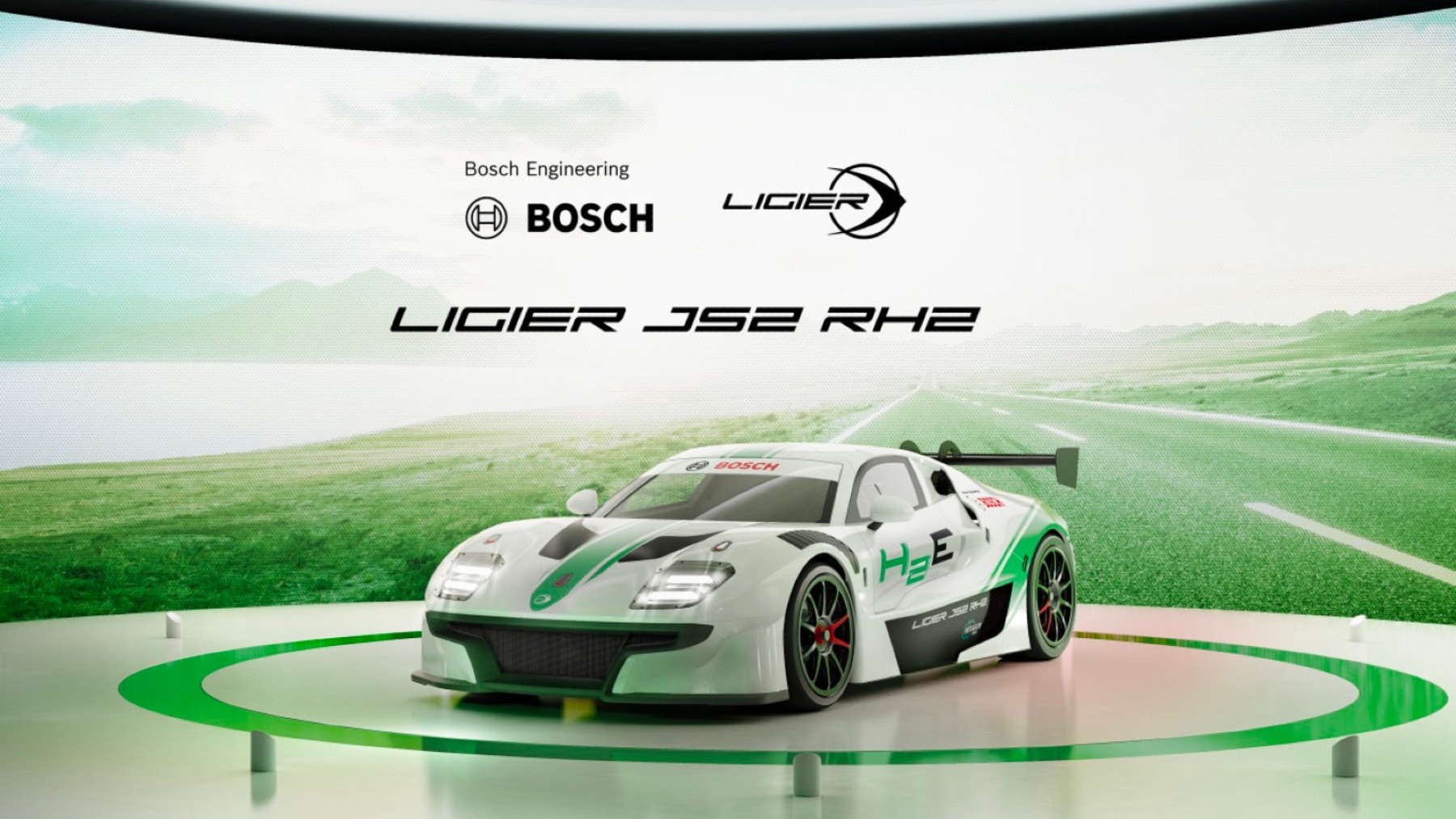
Thus, while concentrating on reaching a state of zero carbon emissions, the automotive industry has introduced hydrogen engines in addition to the existing combustion engines. Recently, an automotive supplier from Germany, Robert Bosch, has designed this hydrogen injection system as a middle category between the conventional automotive powertrain and future electric vehicles. This system is a major evolutionary step in the combustion engine on the path to CO2 neutrality and offers a practical and easily scalable solution for various types of vehicles.
Components and the System Overview: Inside Bosch’s Revolutionary Hydrogen Injection Technology
The Bosch’s hydrogen injection system entails different parts that interact to produce clean and efficient power. The system has a hydrogen port-fuel injector that provides accurate gas delivery to the cylinders. This modular injector structure enables various flow rates with the same general construction.
The hydrogen injection rail is manufactured from materials compatible with H2, including pressure and temperature sensors. And pressure loss from the rail inlet to the injectors is low. An electronic pressure regulator controls the amount of gas homogenized and combusted through rail pressure. Finally, the electronic engine control unit acts as the master unit of the system and controls it.
Opportunities and Complementarities with Other Techniques: How Bosch’s Hydrogen System Outshines Traditional Engines
The drawback of such an approach can be called the lack of a unified approach. At the same time, one of the greatest benefits of Bosch’s hydrogen injection system is compatibility with conventional diesel and natural gas engines. The fundamental layout of the fuel, air, and exhaust systems transcends the powertrain solutions that are currently in use and entails the use of many recognizable system parts. This compatibility is instrumental in the current manufacturing processes’ smooth integration and quicker manufacturer adoption.
Furthermore, the communicated system’s effectiveness in extreme conditions means that it could be widely recommended for the applications of commercial vehicles as well as off-highway machinery. Proportional to the specific requirements, the port fuel injection design eliminates backfiring. Conversely, variable fuel pressure guarantees precise combustion processes in a wide volume range with high specific power outputs.
A Future-proofing and Scalability: Why Bosch’s System is Ready to Dominate Multiple Markets
Unlike other automotive/original equipment manufacturers who have developed their hydrogen injection systems specifically for cars, Bosch has developed the system for scale in other applications and segments. The system lends itself to both off-highway and on-highway purposes. It has more than sufficient flexibility en route to power applications in commercial vehicles that utilize engines of an industrial nature.
Such scalability helps to establish that technology can grow and change based on the nature of the market as well as the rules governing this market. Additionally, it is versatile for upgrading existing fleets and hence is a good development plan meant to transition existing vehicles to low-emissions vehicles gradually. Safety and leakage requirements are functions that are also used in Bosch’s approach, aspects that are thought to be critical when concerning the use of hydrogen fuel within transport.
Thus, Bosch’s ‘hydrogen injection system’ puts the company in a vantage point in the drive for fashioning sustainable mobility solutions and, at the same time, building on existing engine technologies and adding new hydrogen-specific components, Bosch about a system that provides a realistic view towards CO2-neutral mobility. Regarding the advantages of the choices, it is necessary to note that the proposed system is versatile, resistant to disturbances, and compatible with modern production processes, which can interest automobile manufacturers who want to expand the range of powertrains.
Such systems like Bosch’s hydrogen injection system will remain imperative in the unfolding automotive industry as it seeks ways of providing for the environmental expectations while at the same time catering to efficient transportation needs of different sectors. However, like in many emerging technologies and the growth of conventional fuel, there are existing barriers to the centralized usage of hydrogen as a fuel; however, occurrences such as this put the world a step closer to having clean hydrogen-fueled cars across the globe.