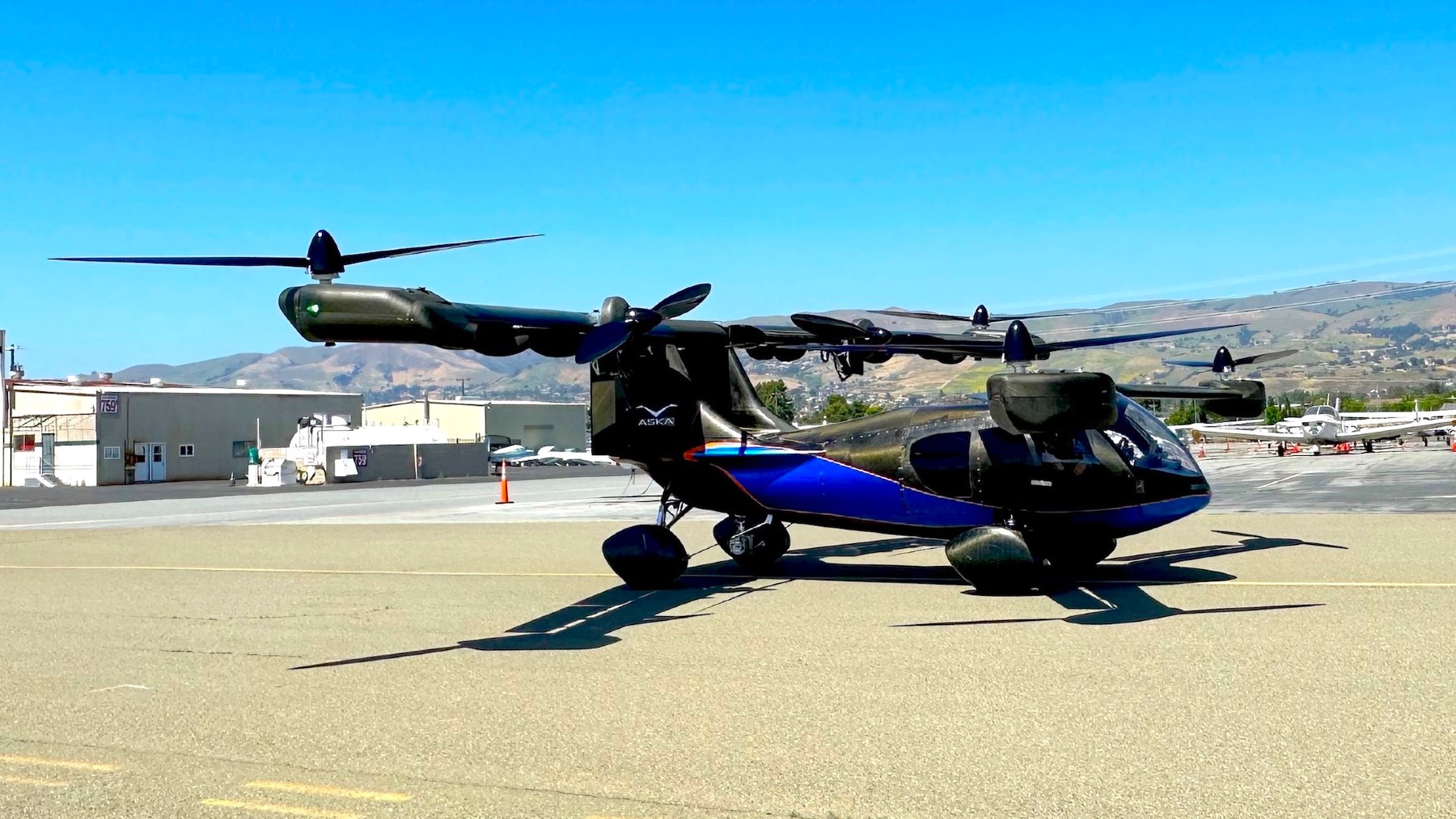
While flying cars may seem to something which will remain as childhood fantasy, Aska has not given up on the dream. Last year, the Northern California company released their first prototype of the Aska A5 roadable electric-hybrid VTOL. The vehicle had been seven years in the making and the company hopes to have it available for purchase by 2027. The invention is a hybrid model and works off both traditional engines and a battery.
Flying cars as rentals or taxis: Could this be the ultimate revolution in mobility?
Aska sees the future of this prototype to be used predominantly as rentals or taxis. It will be priced at $800,000 and the company already has roughly 100 prospective buyers on their radar. Aska has been working with the FAA and National Highway Traffic Safety Administration (NHTSA) guidelines for certification to ensure that the VTOL is legitimately roadworthy and not just the stuff of sci-fi films.
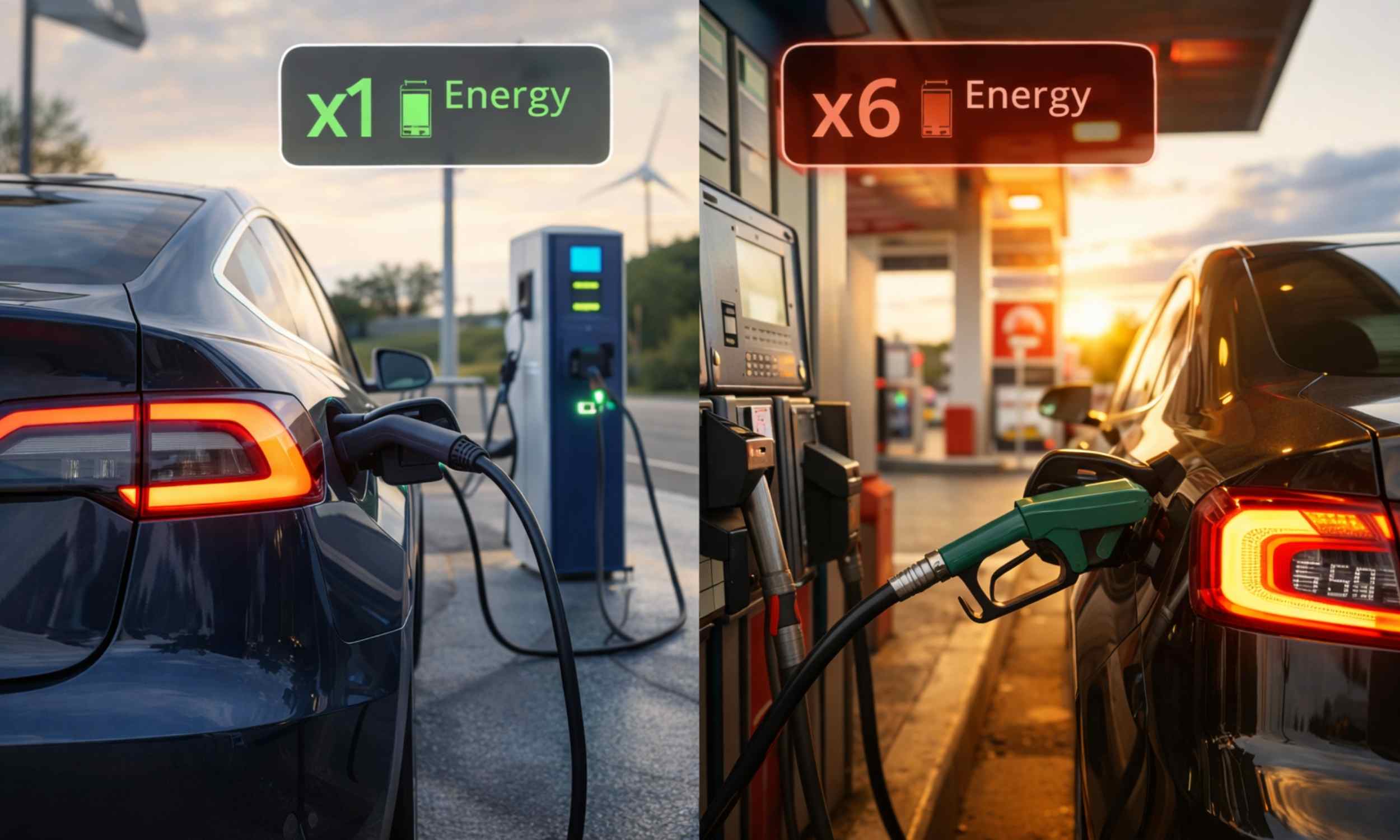
The vehicle can take off both vertically and horizontally, meaning it does not need a large runway to get going like current commercial aircrafts do. CEO and co-founder of Aska Guy Kaplinsky has a vision of converting current gasoline stations into landing pads for the VTOLs as the world turns electric and no longer needs gas stations.
According to official sources, “ASKA A5 has received authorization to drive on public roads from the Department of Motor Vehicles (DMV) in the US and has successfully performed more than 500 miles of road testing.”
The most futuristic car debut yet: The world is shocked with this new invention
The Aska A5 is a four-seat roadable electric-hybrid VTOL powered by six propellers, four of which can rotate between vertical and horizontal positions for takeoff and flight. It can also take off conventionally, using electric motors at the rear wheels for added acceleration.
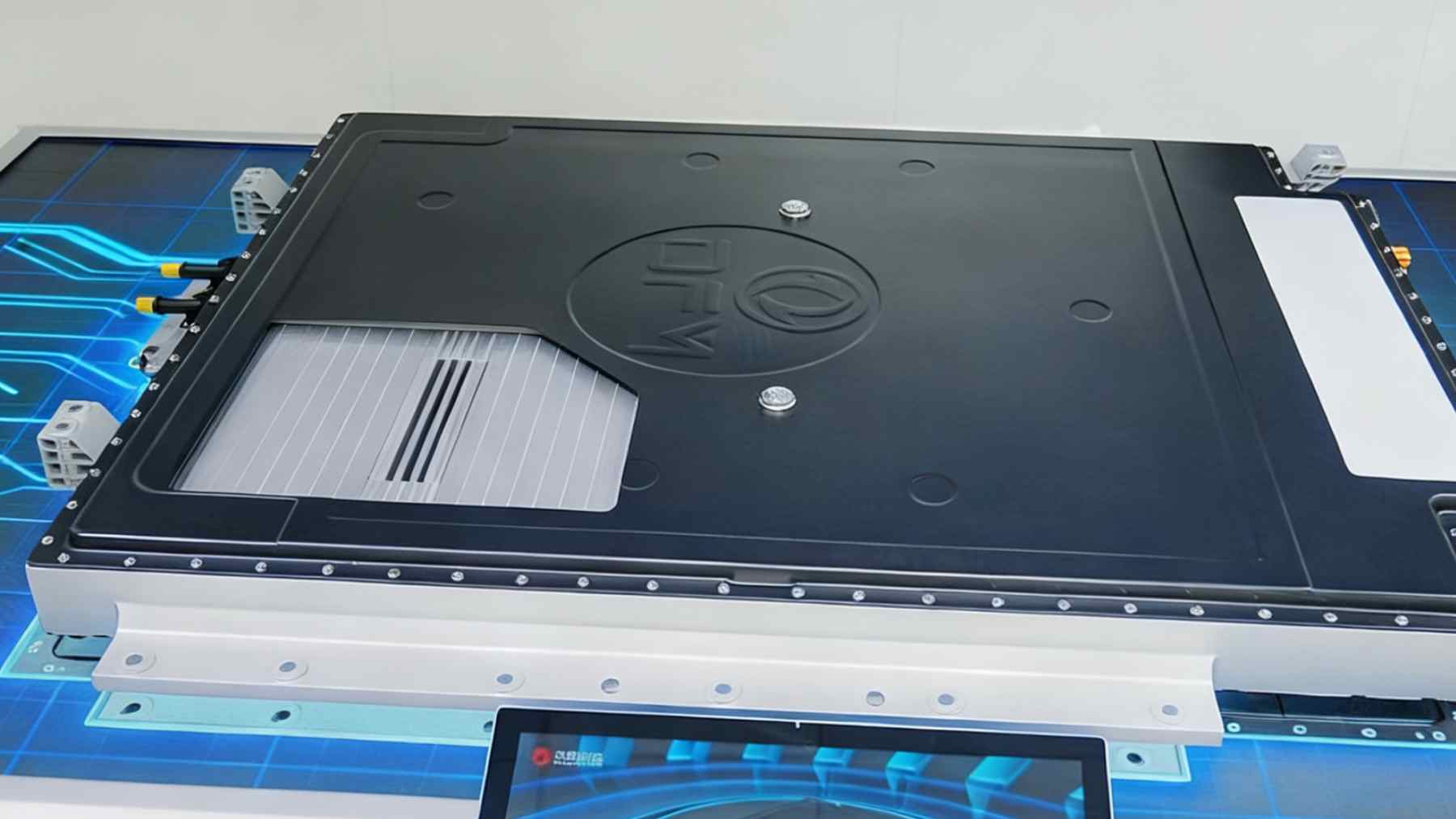
The craft, weighing between 5,000 and 6,000 pounds (with plans for a lighter production version), is equipped with a 100.0-kWh battery pack and a gas-powered range extender for additional electricity. It has a claimed flying range of 250 miles and a cruising speed of 150 mph.
When in driving mode, the front and rear wings of the car fold over the fuselage, while the wings are secured to prevent obstruction with other object on the road. Securing the wings is currently a manual process, but the Aska team is working on making it an auto-locking process for wase and efficiency.
A showcase of innovation and forward thinking
While it is unlikely that this VTOL will become commercially widespread, especially with a price tag nearing 1 million dollars, the Aska A5 is a testament to innovation and futuristic thinking. As the world looks to sustainable solutions to the fossil-fuel crisis, thinking outside the box is crucial. Many automobile manufactures are struggling to convince consumers to go electric. There needs to be more effort like that which is seen at Aska into thinking beyond conventional methods and solutions.
While electric vehicles are still the favorite alternative to most manufactures, there have been developments in sources such as hydrogen fuel-cell technology and biofuels. The biggest challenge is to make alternative fuel source cars financially accessible. Hybrid plug-ins offer a more reasonable price as opposed to fully electric, however they still are a luxury compared to the traditional internal combustion engine.
Aska engineers are thinking beyond the automobile constraints the market has put itself into and has showcased that anything is possible. While switching over from fossil fuels may seem like a daunting impossibility, if we can get cars to fly, surely we must be able to find a solution outside of fossil fuels to power our vehicles?