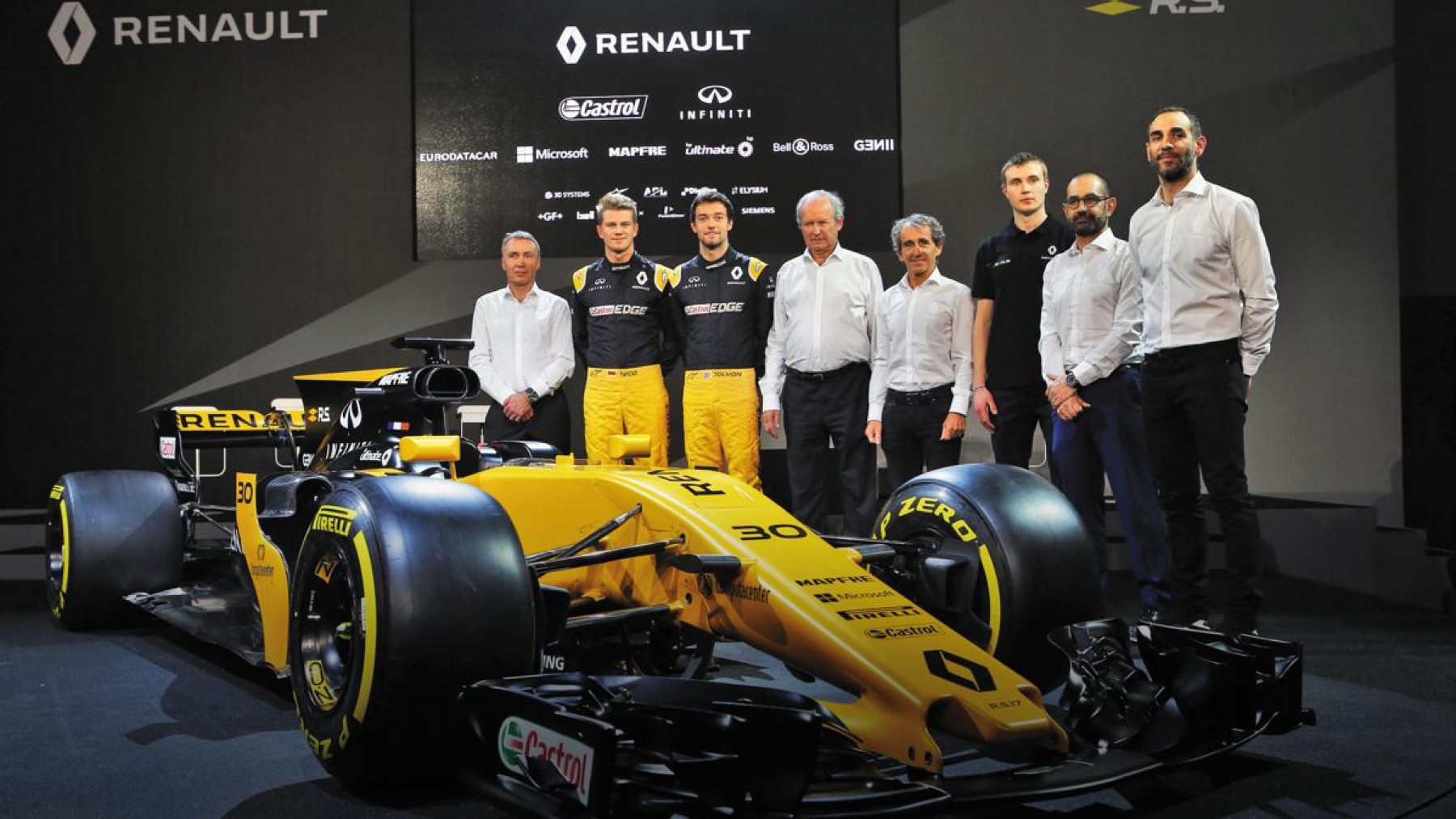
The car giant Renault has recently declared that it will stop manufacturing Formula 1 engines once the 2025 season is over. This move is a significant change in the company’s direction because it plans to transform its Viry-Chatillon factory into a ‘Hypertech’ engineering hub. The shift can, however, be seen as part of a trend seen in other teams and manufacturers as they seek to develop themselves. They are looking for ways to excel in a constantly changing world in the motorsport business.
Alpine Team’s game plan: Sourcing engines from a new manufacturer starting in 2025
Renault’s Alpine Formula 1 Team confirmed that it would switch its power units after the end of the 2025 season. Alpine has officially declared that the plant Viry-Chatillon will remain actively involved in formulating engines one year before Formula One. Still, it does not cover the production of new engines up to the year 2025 only. After that, the site will be devoted to engineering innovations and creating an F1 monitoring unit to maintain and develop the valuable expertise of the company’s employees in motorsport.
This has led to much debate about whether Alpine intends to partner with Mercedes, as Alpine plans to cut its expenditure from 12 million to 17 million dollars. The workers of Viry Chatillon have complained that they are confused about how they have to look for another company to take over their successful image. They see themselves as a premier engine manufacturer when they can develop the engines independently. The works council stated that they were let down, as it seems like dismantling the facility is a betrayal of its history.
Alpine, now in the ninth position of the constructors’ championship, has struggled with leadership changes and competitive performance. Relocating the resources from engine manufacturing to the innovation projects could be a possible breakout moment for the team in its attempt to increase competitiveness on the grid.
Lewis Hamilton’s brave admission: Opening up about mental health challenges in racing
Just as important, though, social media has become a platform to raise concerns, including Lewis Hamilton, who recently spoke about his battle with depression. The seven-time world champion revealed that he has suffered from mental health problems since his teens due to attempting to have a career in motorsport and being bullied at school. Hamilton said that sharing his experience was not easy, but he advocates for the conversation to be had about mental health.
The 37-year-old Briton, who began racing in F1 in 2007 and became a title contender, opened up about the stress of racing and how it had affected his mental health. He agreed that, while he has experimented in the past, he is still searching for the solution in a way that is not shameful. This includes making silent retreats. Before moving to Ferrari as a teammate to Massa next season, Hamilton notes that consciousness and emotional intelligence are required to handle situations positively on the racetrack or in his personal life.
Daniel Ricciardo’s uncertain future: What lies ahead after leaving Red Bull Racing?
On the other hand, Daniel Ricciardo’s career has been questioned for the most part after his exit from Red Bull Racing. One of Red Bull’s influential managers, Helmut Marko, said that Ricciardo had been unable to achieve the same form after he left Red Bull to join Renault in 2019. Marko pointed to this dip in performance as the reason for Ricciardo’s decision to join Renault, citing that he was uncomfortable with Verstappen.
Ricciardo has been quite triumphant during his stay at Red Bull – he has won several grands prix and is now trying to establish himself as a top driver again. The problems that he faced at Renault, as well as at McLaren, have raised doubts about his capability to contend at the premier level. Comments highlight that we never fully know what goes on with drivers within the context of the team. It’s crucial to understand the kind of effects career changes may have.