In a major boost for long-term green mobility, China’s Zhejiang Geely Holding Group Co Ltd (Geely) plans to spotlight Malaysia as the next market for its new fuel of methanol-driven cars. This step was taken after previous experiences in China and trials in European countries, including Denmark. Entry to Malaysia is a key driver in Geely’s international vision of providing better and cleaner mobility technologies (even more innovative than hydrogen).
Geely continues to invest in Malaysia and owns a methanol testing base. As the world’s largest producer of methanol vehicles, the interest in this country is logical. Malaysia is gradually becoming part of the green energy sector and may become a technological center for Southeast Asian automobile manufacturers.
Methanol fuel: The ultimate solution for reducing carbon emissions (and unexpectedly beating hydrogen)
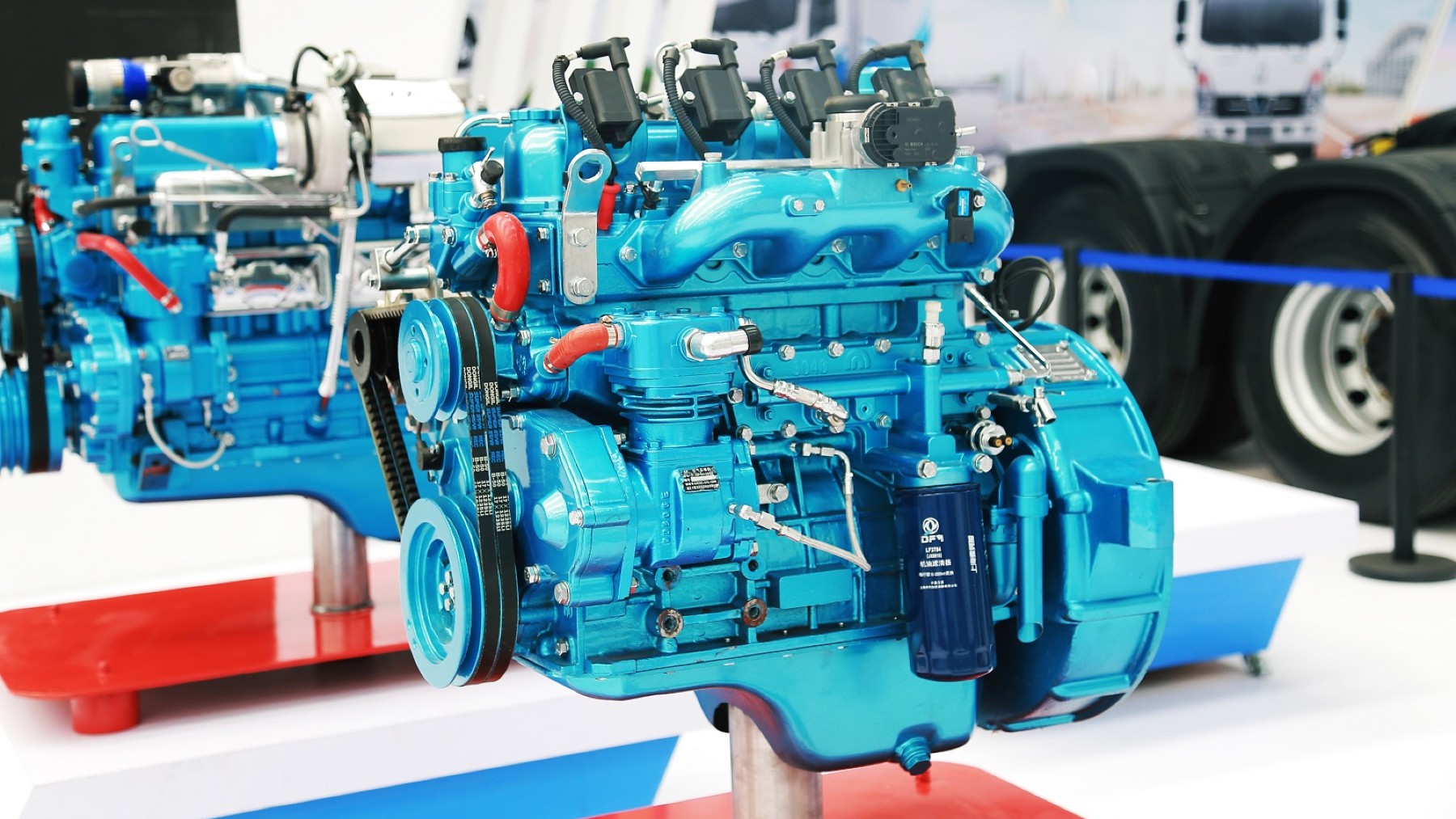
Methanol has become strategically positioned as the ultimate fuel for vehicles due to certain qualities that it possesses over other conventional fuels. It makes it advantageous for cutting carbon emissions in transportation as it is easily transported and can be stored proficiently. Environmentally, methanol fuel emission damages are lower than those of diesel fuel, which is suitable for the pledged war on global climate change. Methanol is another technological pillar at Geely; it claims to have manufactured over 30,000 methanol vehicles that traveled over 10 billion km overall. This kind of practical test shows the potential prospects and efficiency of using methanol for cars and other types of transport.
Technological advancements: 20 new models set to transform the market
Currently, Geely has rapidly advanced in the development of methanol-driven vehicles and introduced about 20 models of both automobiles and trucks. These include, for example, the Geely Auto Emgrand methanol sedan and Geely Commercial Vehicles Farizon M100 heavy trucks, which have been tested and certified to meet ‘China VI’ emissions standards. This achievement highlights that Geely’s methanol vehicles are now technologically ready to penetrate the automobile market at large.
The company’s continuous experiments in Denmark are still aimed at bringing the use of methanol-fueled vehicles to China and the future European markets. Below are the details of how Geely has been investing in methanol technology as informed by its strategic outlook on transport. To utilize methanol as a fuel in its vehicles, the company also seeks to reduce its carbon footprint and make vehicles with better fuel efficiency available to the consumer market. This solution places Geely company at the vanguard of change within the automotive sector regarding cleaner energy sources.
Malaysia: A strategic partner in the global methanol fuel revolution
The choice of Malaysia as the next potentially suitable market for Geely’s methanol-powered vehicles is not arbitrary. The country has been increasing efforts to produce green and sustainable fuel, opening opportunities for new, innovative automotive technologies. The Geely Auto’s vice-president and New Energy Powertrain R&D Centre president, Wang Ruiping, has said that he is willing to talk to Malaysian authorities about the subject.
This potential collaboration is further strengthened by Geely’s 49% interest in the Proton brand—Malaysia: 9% stake in Proton Holdings Bhd, the national car manufacturer of Malaysia. The strategic partnership between Geely and Proton has exercised a positive impact by producing several SUVs and a compact sedan, accompanied by Proton’s first new energy vehicle, the X90, which features low fuel consumption and high performance.
The future of sustainable transportation: Malaysia and Geely’s joint vision
Lastly, the possibility of having Geely’s methanol-powered vehicles in Malaysia may add a new chapter to the country’s endeavors toward a sustainable transportation system. This action not only aligns with international practices adopted by developed nations through the reduction of carbon emissions but also positions Malaysia in a position to embrace advanced technologies in the use of alternative fuels in the region.
The current relations between Geely and Proton can be viewed as the foundation for this expansion. They may help the development and production of methanol vehicles in Malaysia move much faster. Looking to the future of the automotive industry, let the partnership of China and Malaysia in methanol technology represent an example of a global alliance in advancing sustainable mobility solutions. Success in this regard could, thus, lead to the expansion of this business in Malaysia and other nations within the region, with benefits for the automotive industry, the environment, and the economy.