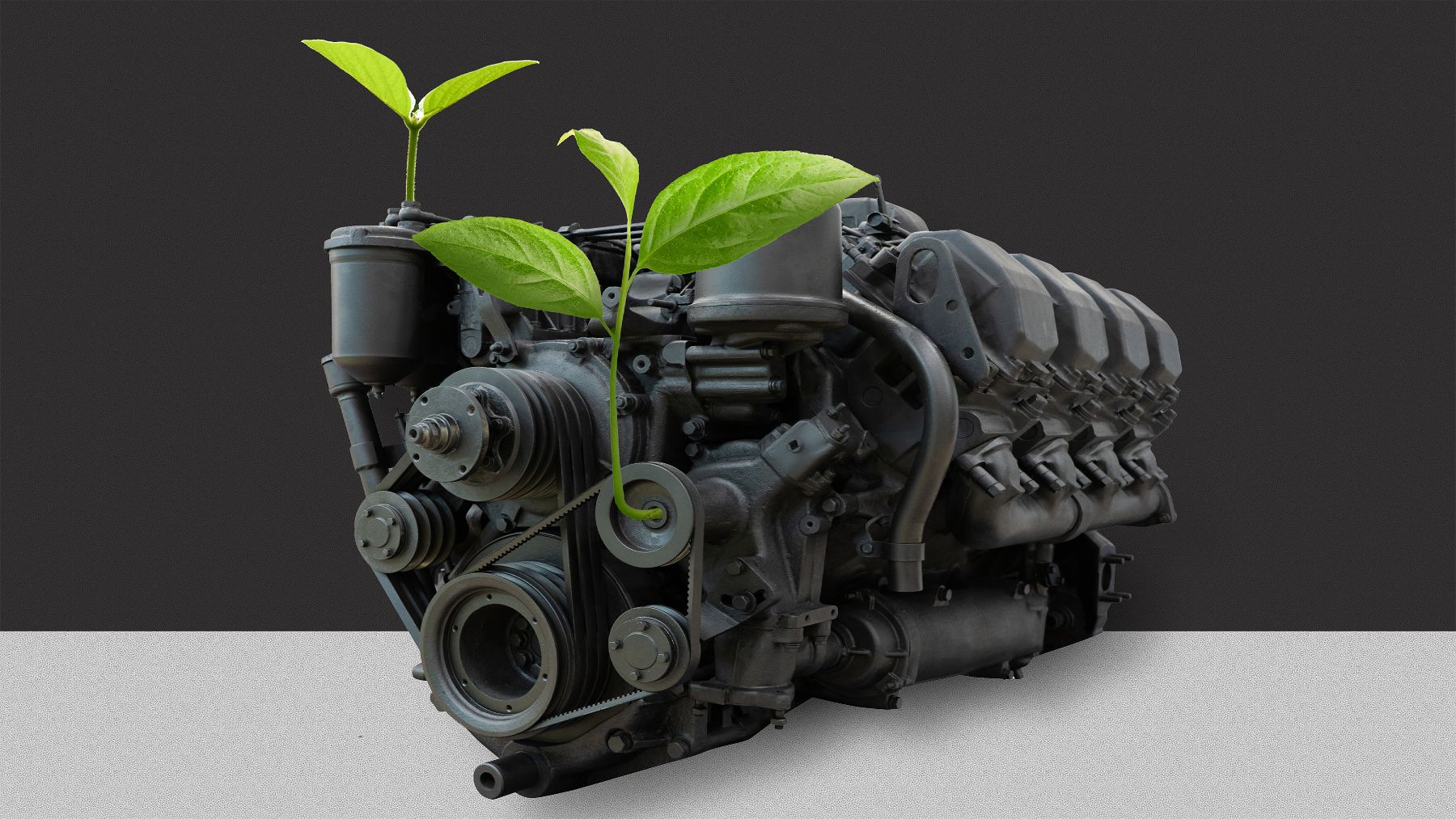
Scientists from the University of Michigan introduced a new fuel to the world that might transform the entire energy sector. The fuel produced is ammonia, distinct from hydrogen electricity or nuclear power. Scientists have thoroughly described this novel fuel solution, illustrating its significance for future energy systems.
Scientists have found a zero-emission fuel with this operational method
The compound NH3 is a combination of nitrogen elements with hydrogen structural units. Scientists have historically applied ammonia in agricultural fields as a fertilizer, but researchers now identify this compound as a sustainable power source. The University of Michigan leads scientific research investigating ammonia applications for internal combustion engines and other use cases.
Under precise temperature and pressure conditions, the Haber-Bosch procedure turns air nitrogen and hydrogen into ammonia. However, this process is energy-intensive. The scientific community concentrates on developing superior catalysts to generate sustainable ammonia that is accessible to all.
Ammonia demonstrates promising use as an alternative fuel to power automotive transportation
The primary advantage of using ammonia as fuel derives from its production of zero carbon emissions. The chemical breakdown of ammonia through fuel combustion generates water vapor together with nitrogen releases for a green operational fuel substitute for traditional fossil resources. Using ammonia as an environmental solution to fight climate change has numerous advantages because it creates emissions that do not produce carbon dioxide.
Because of its limited physical space, ammonia contains high amounts of stored fuel energy. Because of this feature, its applications include transportation and power generation. Research conducted at the University of Michigan has proven that ammonia works effectively in internal combustion engines, which opens doors for its implementation in vehicles and other technological devices.
Research teams work on overcoming major obstacles to implementing ammonia fuel usage
Despite its promising nature, multiple obstacles interfere with applying ammonia as fuel. The main hurdle to ammonia fuel implementation is its flammability problems during storage and handling processes. The scientific community continues developing procedures to maintain ammonia storage safety and shipping security.
Remarkable amounts of energy are required for ammonia manufacturing when utilizing Haber-Bosch production methods. Researchers from the University of Michigan examine innovative processes to develop sustainable production methods with optimized ammonia synthetic catalysis. The research group works on plasma-based production methods to decrease environmental effects and obtain sustainable replacements for current fuels.
According to current research findings, multiple industrial sectors predict that ammonia fuel consumption will expand within the upcoming years. The application of ammonia delivers an alternative fuel option that propels cars, trucks, and ships through several advantages, such as reduced fossil fuel dependence and reduced environmental carbon output. The research at the University of Michigan showed that ammonia operates successfully inside internal combustion engines after scientists studied ethanol and gasoline compounds mixed with ammonia fuel.
The potential usage of ammonia extends beyond automobiles to energy infrastructure in power facilities throughout the energy sector
Utilizing ammonia as a power source makes electricity generation through fuel cells possible. The application delivers a sustainable power generation possibility that enables remote territory and off-grid site access to electricity. Because of its high energy storage capability, ammonia proves effective for balancing renewable energy supplies and demands.
The University of Michigan has advanced sustainable energy research by studying ammonia as an alternative fuel. Researchers actively work to resolve ammonia’s challenges and maximize its advantages to establish an advanced fuel that will help decrease emissions and fight climate change. The liquefaction process of ammonia under moderate pressure creates more efficient storage and transportation possibilities than hydrogen requires for extreme conditions. Ammonia maintains advantages for transportation networks during fuel distribution operations, particularly when serving large consumer needs.
Scientists are studying the combination of ammonia fuel with traditional fuels for hybrid power systems, demonstrating reduced emissions while maintaining the existing energy infrastructure. Developing renewable-powered ammonia production systems would establish the fuel as fully sustainable. Japanese and Australian investments in adopting this power system illustrate the worldwide interest in ammonia-based energy. If innovations advance, ammonia will become a foundational element of clean energy economies.