We are continually surprised with the scientific and industrial advances in green energy, from solar, wind, etc. In this sense, it is no longer only produced in the form of electricity, but also gas, such as these solar panels to which water vapor is injected and produces hydrogen.
Solar panels that produce hydrogen when injected with steam
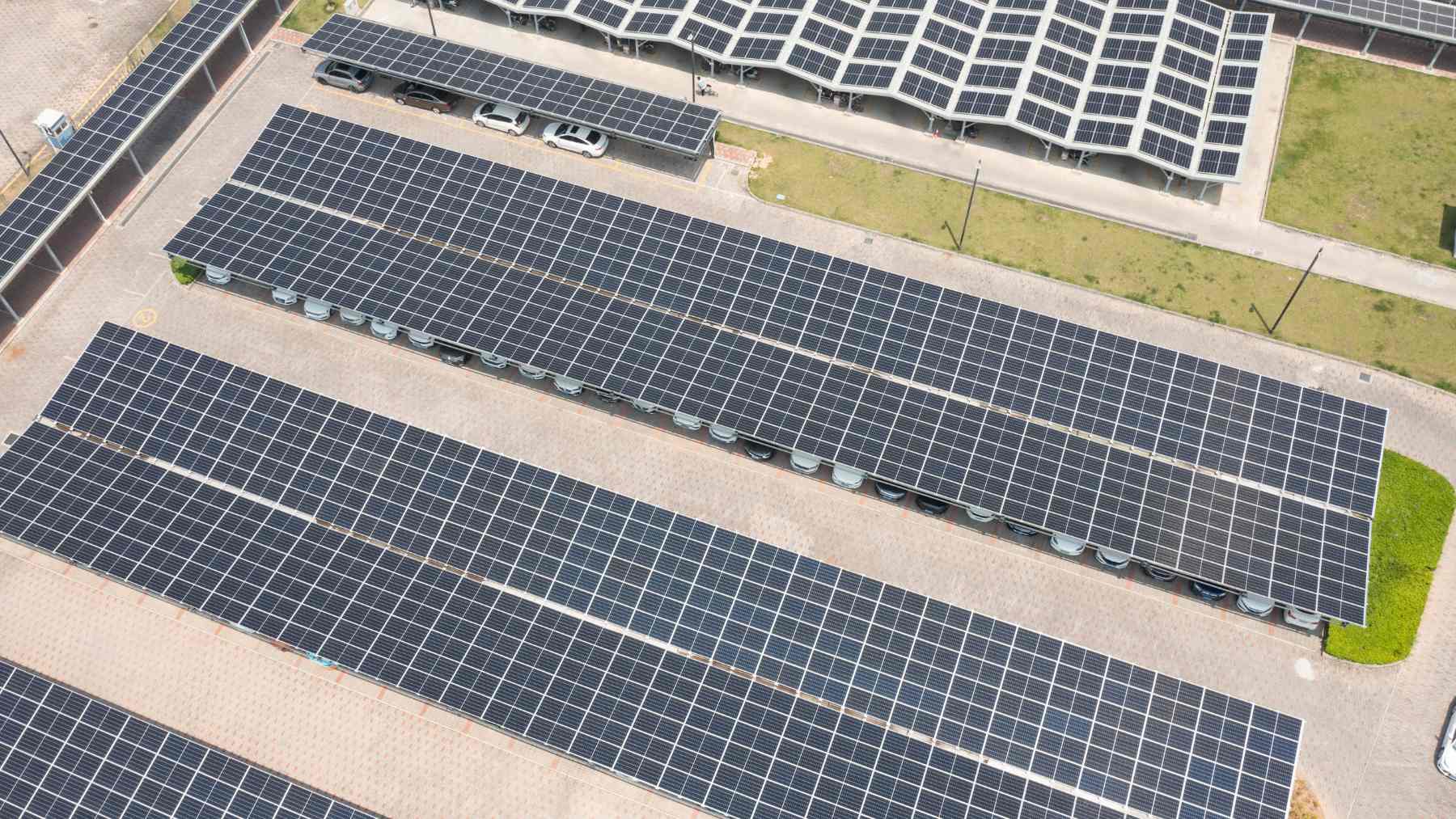
A research team at the University of Leuven in Belgium has succeeded in creating a unique solar panel that not only captures the sun’s rays, but takes water vapor from moisture in the air to produce green hydrogen. This without using any energy other than photovoltaics.
However, although they can reproduce the solar modules to produce this hydrogen, it is still only a partially unraveled mystery how they do it or the agents involved. Although the project, which is called Solhyd, is already 10 years in research.
What is known about these hydrogen-producing solar modules and their applications?
These solar panels take the water vapor that is injected into them or absorbed from the air and use photovoltaic energy to separate the oxygen from the hydrogen. This is a process that produces up to 250 liters of hydrogen per day, with a measured conversion rate of up to 15%.
With this volume of hydrogen gas, it would take about 20 solar panels to power a house with all modern conveniences during the winter season using a heat pump. This is without the help of traditional solar modules.
Because if installed together with the latter and a solar thermal collector, they could power the same house for a whole year. These hydrogen panels are similar to solar panels on rooftops, but instead of being wired, they are connected to gas pipes.
Their performance makes them ideal for small-scale hydrogen production. Also, these components are very stable, since they do not store the gas, they only produce it and it is sent to the storage tank through the pipes.
This leads to another advantage of hydrogen solar panels, which is that they operate at low pressure, so no special high-pressure connections are required. Therefore, they do not present cost and safety problems associated with this parameter.
On the other hand, the hydrogen produced can be stored by compressing it for long periods of time. As for their construction, although the exact way they work has not been established, they are made of recycled and low-cost materials.
They are compatible with conventional solar panels and are affordable.
This hydrogen panel system is compatible with standard modern photovoltaic modules, so they can be mounted on the roof by reusing their bases. Solar panels can also be connected to the Solhyd project model.
But this technology has a drawback, which is that it requires humidity in the environment, i.e. it cannot be installed in very dry climates. However, you can solve this problem by injecting water vapor when you need hydrogen.
Regarding costs, if you already have a conventional solar panel installation, you will save a lot of money. Also, they expect that when they are mass-produced, their price will drop to the point that it will be similar to that of a solar panel, with its installation accessories.
In short, hydrogen solar panels produce gas using the sun’s energy to make it from water. How? That is not known for sure, but it does not prevent it from being a technology that we will soon see in operation.