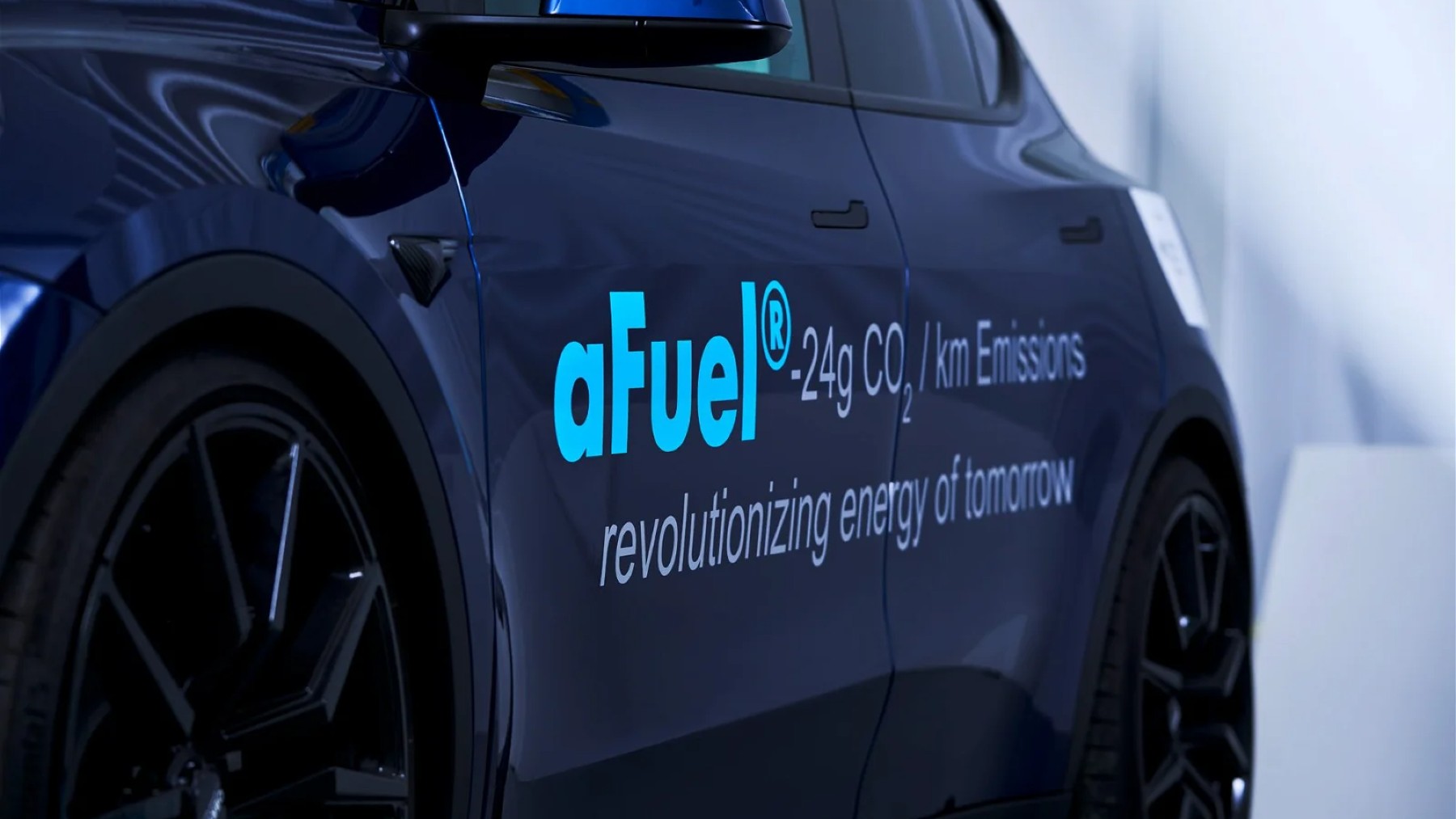
Quite surprisingly, Tesla is back in the news, but this time for moving away from electric power. This step was made when Germany, a country associated with engineering, popularized a new kind of engine – the supercharged methanol one. This decidedly changes how the future of mobility has been seen for quite some time, as electric and hydrogen vehicles were seen as the primary contenders.
The appearance of methanol as a serious contender for the automotive market has taken the automobile landscape by surprise and might be a sign that the industry will have to reevaluate its green mobility plans.
The Obrist Group declares: Methanol-fueled internal combustion engines can drive the future of low-carbon transportation
German company dedicated to CO2-neutral technologies, the Obrist Group, stated that the internal combustion engine (ICE) is still very much alive. Indeed, they opine that with ICE that runs on methanol, it is possible to realize low carbon emissions while leveraging existing transport infrastructure.
Frank Obrist, founder of the Obrist Group, scoffs at this idea, saying that swapping out more than one billion internal combustion vehicles for battery-electric vehicles is a pipe dream. Currently, implementing electric vehicles (EVs) is highly improbable shortly, especially for countries that do not possess the financial ability and political commitment to advocate their use.
Obrist has postured that methanol synthesis is less costly and sustainable than electricity-dependent methodologies, even as these are assessed under the life cycle basis of an automobile. This consists of battery making, energy generation, and the creation of infrastructure and facilities. However, Obrist also states that methanol could even enhance the climate by helping to remove as much as 90% of the carbon dioxide released during the burning process.
Germany’s groundbreaking Hyper Hybrid Tesla Model Y project proves methanol is a viable green fuel solution
In the year 2021, Germany launched a project that can revolutionize the field of EVs. The “Hyper Hybrid” Tesla Model Y, with methanol as fuel, is to demonstrate that synthetic fuels are ideally suited to generate less CO2. This prototype, designed and built as part of the Carbon2Chem research project, is a zero-vibration generator in which methanol is converted into electrical energy to directly connect carbon-based fuels with electrical power.
CO2 will continue to be emitted in many industrial processes, as was demonstrated by Federal Research Minister Anja Karliczek, who presented the Hyper Hybrid. Thus, recycling CO2 into synthetic fuels such as methanol makes the most sense. These fuels can help meet sustainable energy in industries and the transport sectors where total demethylisation may not be lighter.
The technology of the Hyper Hybrid General Motors is an excellent example of how advanced and futuristic solutions can be interlinked with conventional car technologies, thus being an essential transition towards the future automotive.
Synthetic fuels like methanol could be vital to making transportation sustainable across diverse industries
That is why the discussion about environmentally friendly transport focuses solely on electric cars while methanol and other synthetic fuels slowly enter the foreground. Professor Robert Schlögl of the Max Planck Institute for Chemical Energy said the following: Synthetic fuels are an excellent opportunity for the world transport system, especially in areas where charging stations are a rarity or renewable energy sources are hard to come by.
These fuels are as applicable in car engines as in energy-demanding industries like shipping and flying. The call for methanol as an environmentally friendly fuel is due to its ability to reduce total emissions, focusing on countries with fossil energy networks.
Compared to electric vehicles that operate on power that could have been sourced from nonrenewable energy, methanol-fueled ones represent a much more immediate and efficient means of transitioning to a cleaner economy. The Carbon2Chem project has a total funding of €145 million. There is nothing wrong with synthetic fuels; they should become part of the climate change strategy.
The Road Ahead: Tesla and the Methanol Revolution
Tesla, known for leading the charge in electric vehicles, now finds itself part of a broader conversation about alternative fuels. The Hyper Hybrid Model Y demonstrates that methanol can be a powerful contender for sustainable mobility. It also shows that the future of transportation may not be as clear-cut as once thought. The internal combustion engine, fueled by methanol, could extend ICE vehicles’ life while contributing to carbon reduction efforts.
This shift toward methanol suggests that the automotive industry may need to embrace multiple technologies to address the complexities of global decarbonization. Battery-electric vehicles have limitations, especially in regions without sufficient renewable energy or charging infrastructure. Methanol offers a complementary pathway, enabling nations to decarbonize while leveraging their existing transportation infrastructure.
As Germany champions methanol as a solution, the world will watch closely to see if this super-powered engine can live up to its promise. Tesla is no longer just an electric vehicle manufacturer; it could be at the forefront of this new fuel revolution. Whether methanol will genuinely reshape the future of mobility remains to be seen, but one thing is sure: the race toward sustainable transportation just got a lot more interesting.