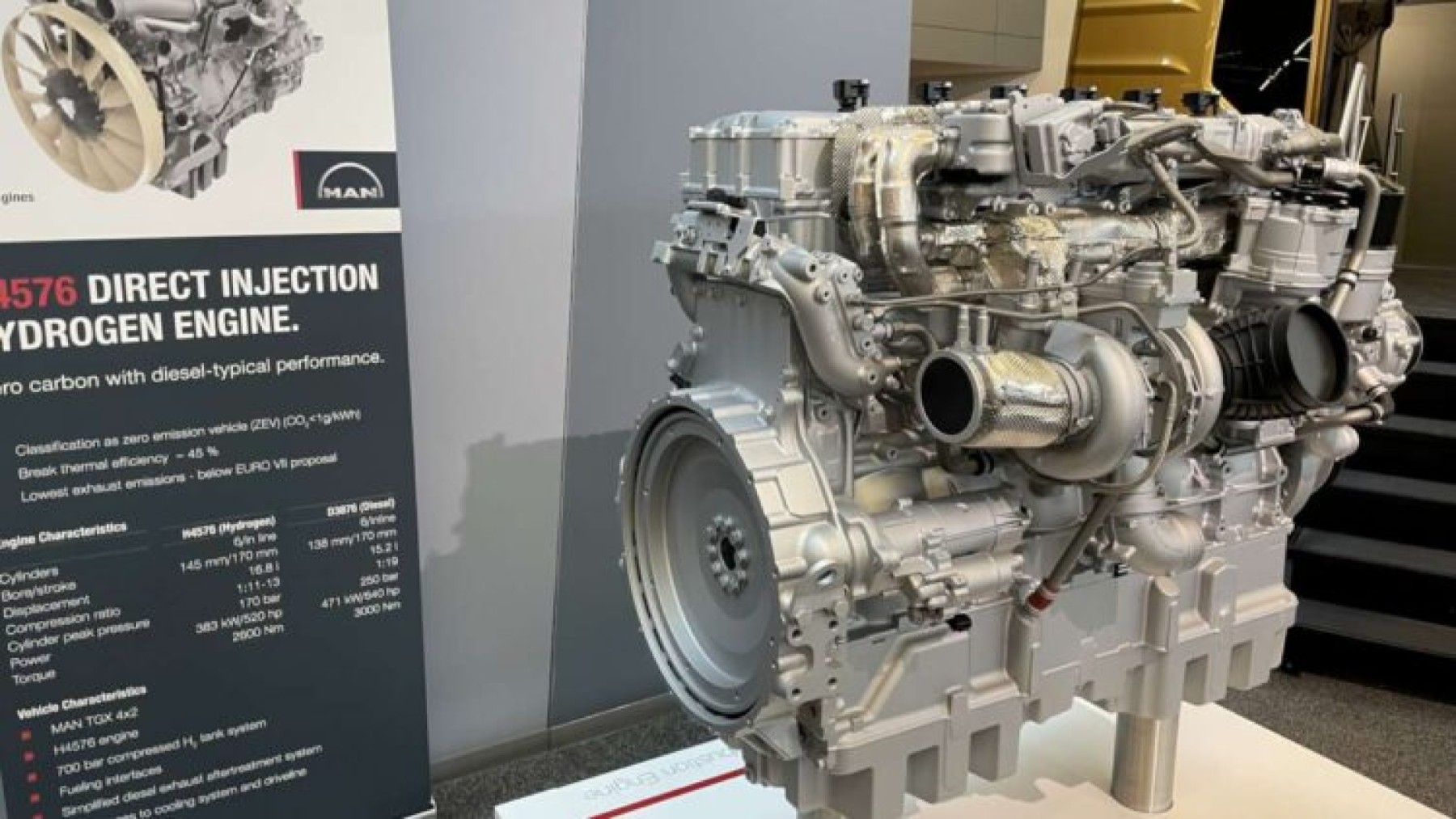
Once again, German technological innovation in the given sector is paving the way for the future of transportation, although this time, it is not through hydrogen. While hydrogen is hailed as the key to green motoring, advances in methanol engines imply that alcoholic fuel is set to rule the roads. Here’s how Germany is at the forefront of such change and why the game’s name for the next-generation fuel may no longer be hydrogen but methanol.
Methanol engines are making waves: A less messy and more sensible approach comes along
Methanol, or methyl alcohol, is beginning to be realized as a superior, less toxic and more efficient fuel source. A German engineering firm, MAN Energy Solutions, has launched a four-stroke methanol engine aimed at helping the world switch to low-carbon operations. The use of this pioneering engine presented in this port also reveals outstanding progress in producing sustainable fuels.
The major advantage of methanol, when compared to hydrogen, is that methanol does not need an elaborate storage system and equipment, and its storage and transportation do not attract a high cost as it can be stored in its liquid form at room temperature. It can also be made sustainably, using electricity from renewable energy and incorporating captured CO _{2}. Due to the accommodation of the above characteristics, methanol is considered a suitable fuel in industries searching for efficient green solutions.
Why hydrogen cars face hurdles: Here reaches Methanol an impressive victory with practical benefits more than hurt.
Electric vehicles using hydrogen fuel cells remain one of the darling innovations that many believe will help de-carbonize the transportation sector. Though they have faced some problems like storage, infrastructure, and production, they have made people slow in adopting them. Unlike other gases, hydrogen needs a high-pressure storage tank or cryogenic containment system, which is difficult to transport and expensive. Also, the construction of hydrogen refuelling stations is costly, and this slows down the application across the market.
Methanol, in contrast, does that avoid these costly logistic hurdles. There is virtually no need to modify existing fuel infrastructure; its liquid form makes it easier to transport. MAN Energy Solutions stresses that their methanol-ready engines are able to work with the conventional fuel infrastructure, meaning that the necessary adjustments are not as expensive as one might think.
Methanol versus hydrogen: Why alcohol-powered engines are winning the race
Methanol-powered engines offer a practical and sustainable alternative to hydrogen for several reasons:
Ease of storage and transport: Methanol is also in a liquid state at an ambient temperature; storage and transportation of the substance also reduce the costs of using tablets, meaning that they do not require additional facilities. This simplicity of adoption is fast.
Versatility in production: Methanol can be synthesized with feedstocks other than hydrocarbons, from renewable sources, such as agricultural residues, captured CO2, or green hydrogen. This means that the fuel supply chain is constant and that sustaining a continuous supply of fuel and energy is possible.
Cost-effectiveness: Another factor of methanol production and its distribution costs less than manufacturing hydrogen fuel; hence, it is more attainable and has a better market demand by the industries and governments.
Germany’s leadership in sustainable fuels: Why methanol might be the key to the future of transport.
Hydrogen has become somewhat emblematic and will probably continue to be relevant, but Germany has started to offer methanol engines unexpectedly for the future of ecological transport. Opting for MAN Energy Solutions’ methanol-ready engines, the company demonstrates that the alcohol-based fuel, methanol, can perform a full-scale revolution in the sphere of ocean-going transport and the energy sector as a whole.
Methanol is a potential solution to many of the challenges experienced by hydrogen and has been identified as a commercially viable fuel. With the global push towards reducing emissions to net zero, flexible methanol engines might be a key to sustainable mobility in a global setting. Germany has proven to be at the forefront of other countries promoting sustainable, green and clean transport technologies.