Germany stands at the forefront of automotive innovation by implementing visionary changes to eliminate hydrogen use from future transportation systems. Through substantial funding, Volkswagen (VW) protected its combustion engine lineup while transitioning toward implementing improved versions of internal combustion engines (ICE). This article delves into the details of VW’s investment and its implications for the automotive industry.
Volkswagen devotes $60 billion to promoting the competitiveness of combustion engines.
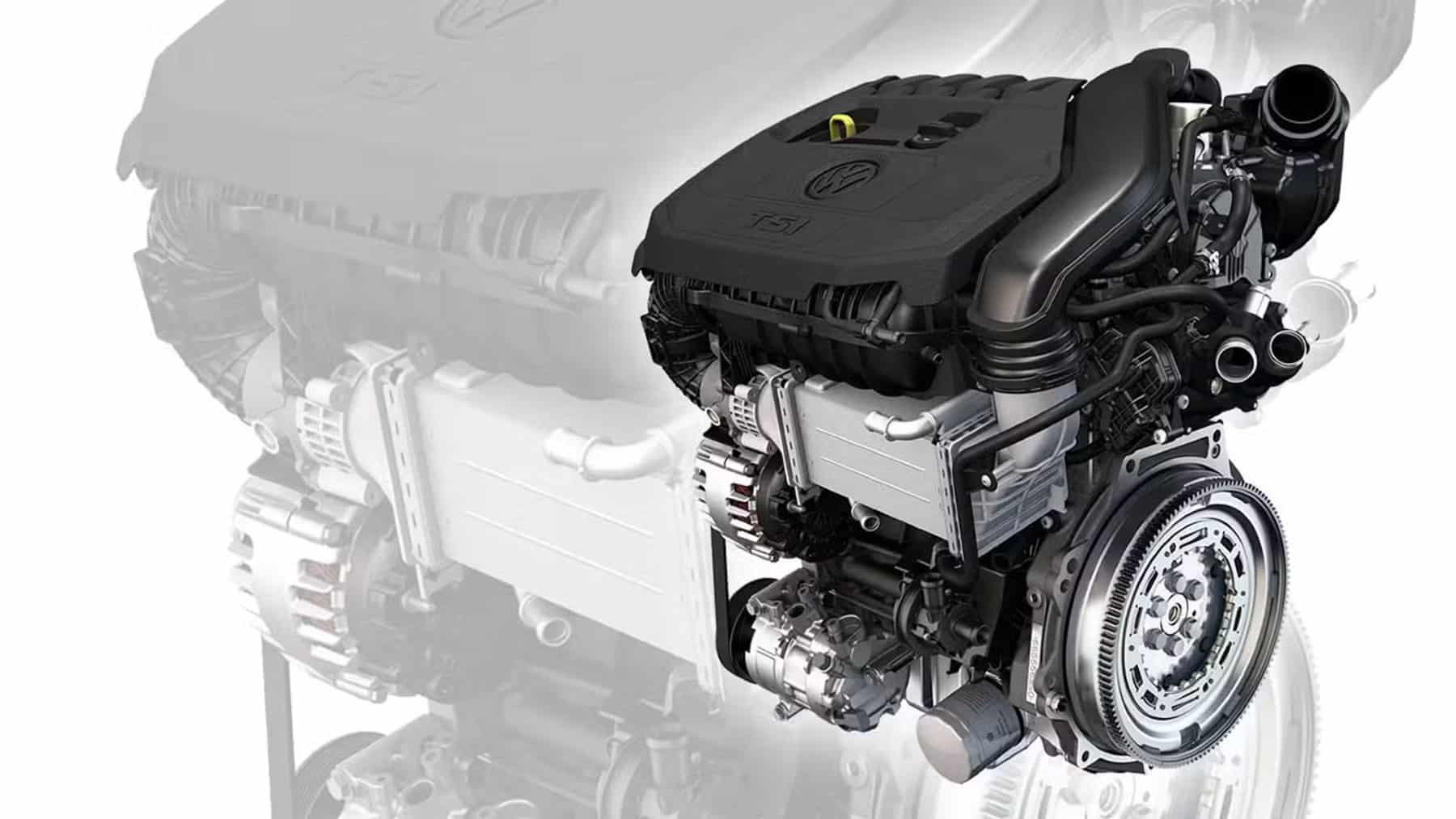
Volkswagen stated it would spend €60 billion ($65 billion) to maintain the competitive positions of its combustion engine vehicles. The company runs this project through a complete framework that supports electric vehicle development while safeguarding internal combustion engine systems. The future holds electric cars, but VW’s Chief Operating Officer Arno Antlitz emphasized that combustion engine technologies will continue to matter.
The allocation of funds will optimally enhance the efficient and sustainable performance of Volkswagen’s current combustion engine products. These engines need continuous development to stay competitive while preserving market viability as the auto market transforms against an ever-growing EV tide. The company bases its strategic decision-making process on information about ICE vehicle consumer interests and environmental regulations.
Synthetic fuel development is the core of VW’s operational strategy. Synthetic fuels generated from renewable energy inputs produce minimal pollution during combustion, specifically for traditional automotive power systems. The VW subsidiary Porsche runs a plastic fuel production facility in Chile to prove their commitment to synthetic fuel development.
The future of fuels: Synthetic fuels are an important contributor to maintaining the sustainable operation of internal combustion engines.
Using synthetic fuels shows potential as an emission reduction option for vehicles that run on internal combustion engines. Current engine designs accept synthetic fuels without requiring substantial engineering adjustments and, as such, provide a market-ready solution for consumers and producers. VW has chosen synthetic fuels as its investment direction because this allows it to extend the life of combustion engines and meet worldwide sustainability requirements.
As an electric vehicle innovator, VW has directed dual investment into internal combustion engineering and its efforts toward electric vehicle production. The €180 billion ($196 billion) research and development budget for 2023 devotes more than 66% of funds to electrification initiatives and digital transformation projects. The combined approaches help Volkswagen serve different customer sectors with unmatched regulatory standards.
Investments directed at ICE technology development remain entirely compatible with EV research initiatives. The strategy highlights a practical acceptance of the electric mobility transition since electric cars need time to become mainstream. Through simultaneous enhancements to internal combustion engines and electric vehicle technology, VW wants to maintain industry leadership while meeting market needs.
Implications for the automotive industry: Volkswagen’s approach sets the stage
The automotive industry will feel substantial effects based on VW’s decision to combine strong investments with ICE technology development. Yet this decision underlines the major obstacles that face the shift to total electric automotive systems. Major automakers Ford, alongside Bentley and Aston Martin, are now adjusting their electric vehicle direction given the present need for combustion engines.
Investing in internal combustion engine research emerges as a strategic answer to escalating competition from Chinese electric vehicle manufacturers. The company plans to improve its combustion engine efficiency and sustainability because it seeks to preserve its market leadership while fulfilling future customer demands. The company takes such steps to stay competitive in an industry that experiences rapid modifications.
Through a $60 billion VW investment, Volkswagen demonstrates Germany’s determination to develop hydrogen-free automotive futures while recognizing ICE technology remains significant. The automotive monotrain between electric vehicles and internal combustion engine products allows Volkswagen to manage the changing automotive landscape while satisfying multiple market needs. Synthetic fuel development and engine sustainability create an emission reduction pathway for future applications. Future automotive developments will heavily depend on VW’s current strategic investments to build mobility systems in the future.