Space mirrors that chase away the night put nature at risk
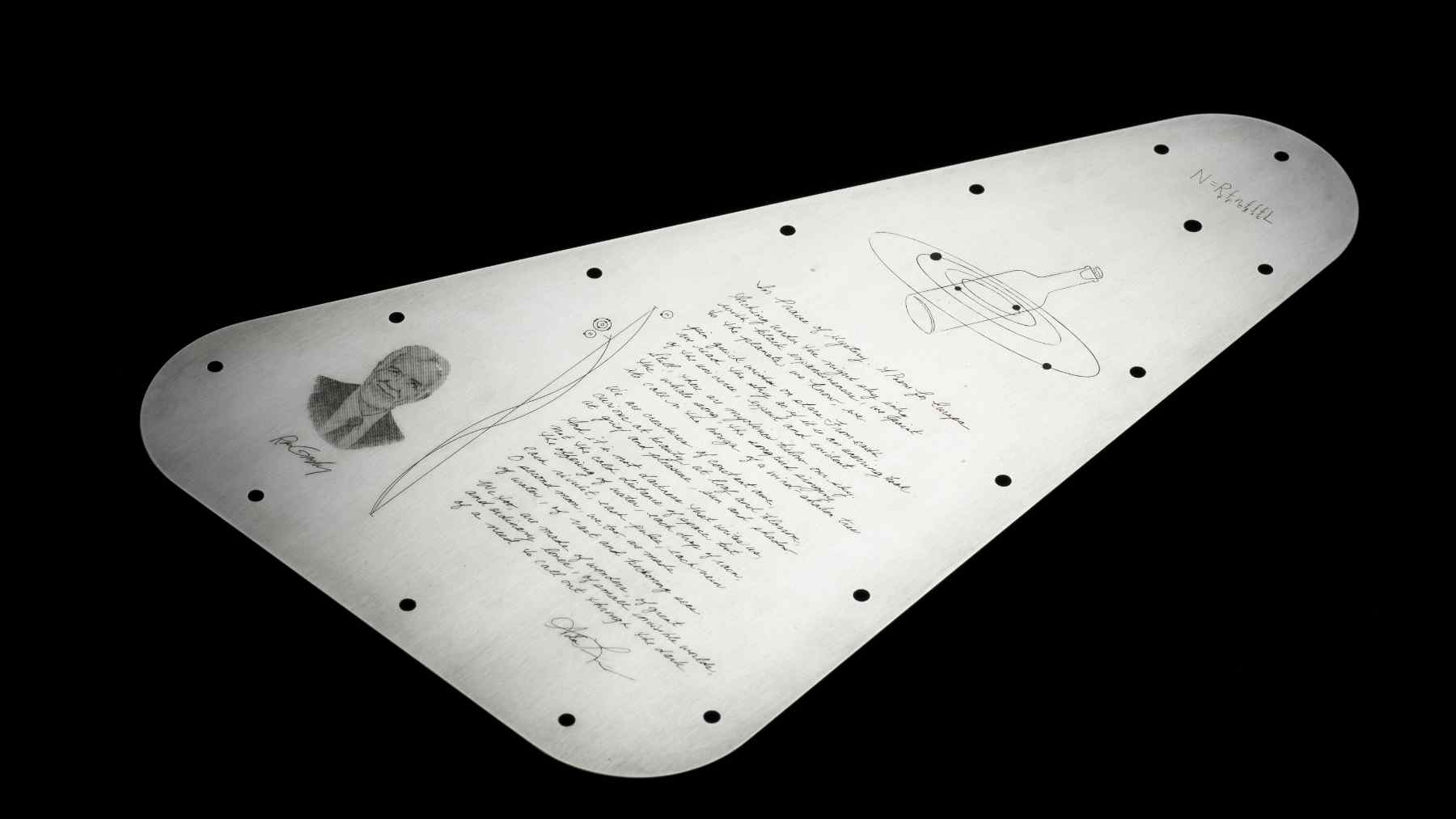
Imagine looking up at night and seeing not only stars and the Moon but also sunlight bounced down from orbit. That is the promise of Reflect Orbital, a California startup that wants to send thousands of mirror satellites into low Earth orbit. Its first test craft, EARENDIL 1, is planned for launch in 2026, with a longer-term goal of about four thousand reflectors by 2030 that would sell extra light to solar farms, emergency services and other paying customers.
Each satellite would unfurl a thin reflective sheet and steer a moving patch of sunlight across the ground as it races overhead. The company calls this “sunlight on demand” and says it could keep panels generating power after sunset or light disaster zones without new poles and wires. People on the ground would see a bright moving point and a soft-looking glow, similar at first glance to moonlight, even though the main beam could be much stronger than natural night light.
A crowded sky gets brighter
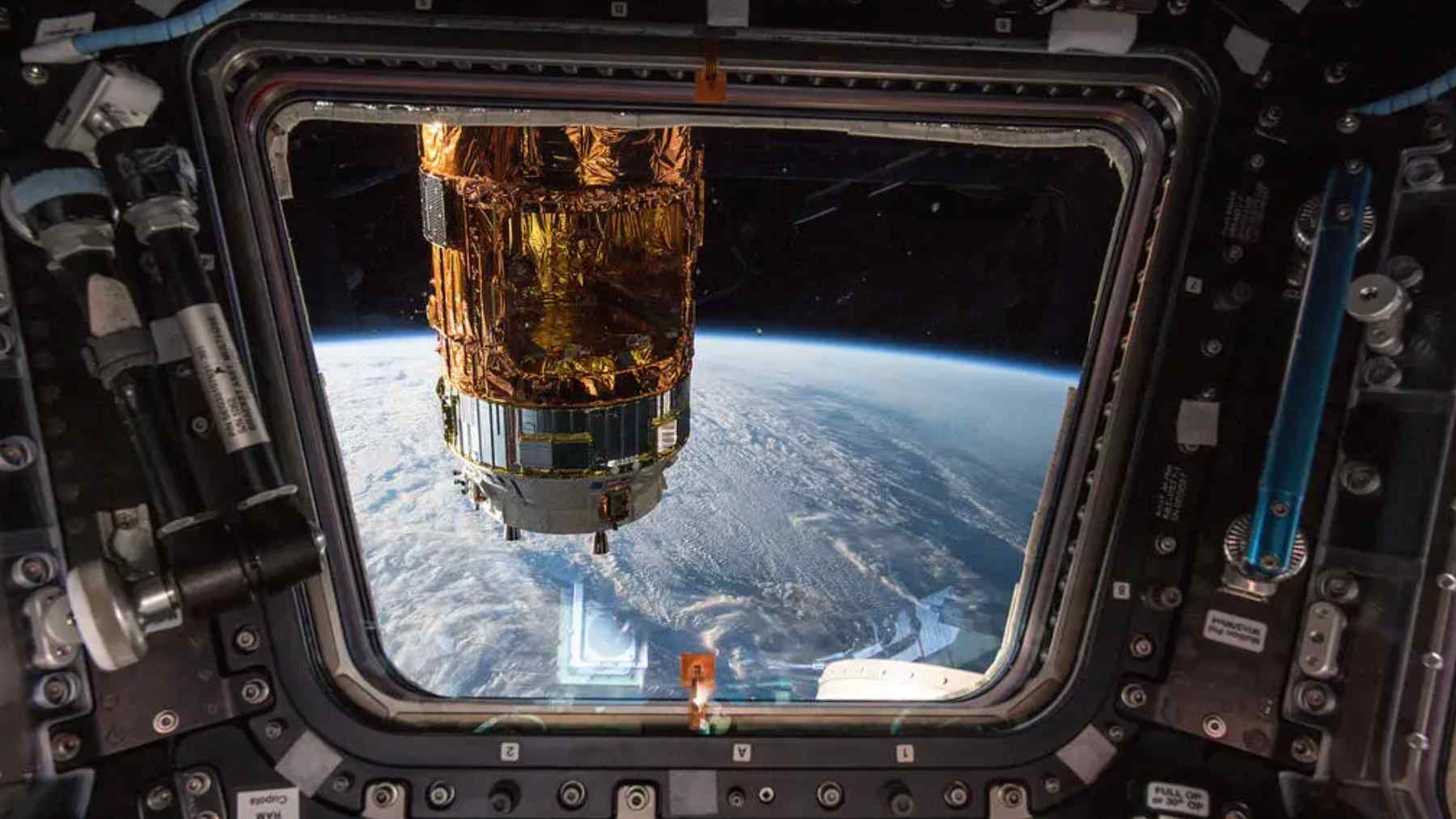
In 2019, there were about two thousand active satellites in orbit. Now there are roughly fifteen thousand, and commercial plans already filed could lift that number above half a million within the next decade. A recent NASA-led study warns that this surge will increasingly contaminate images from space telescopes, with many exposures from missions such as Hubble and several future observatories streaked by satellite trails if nothing changes.
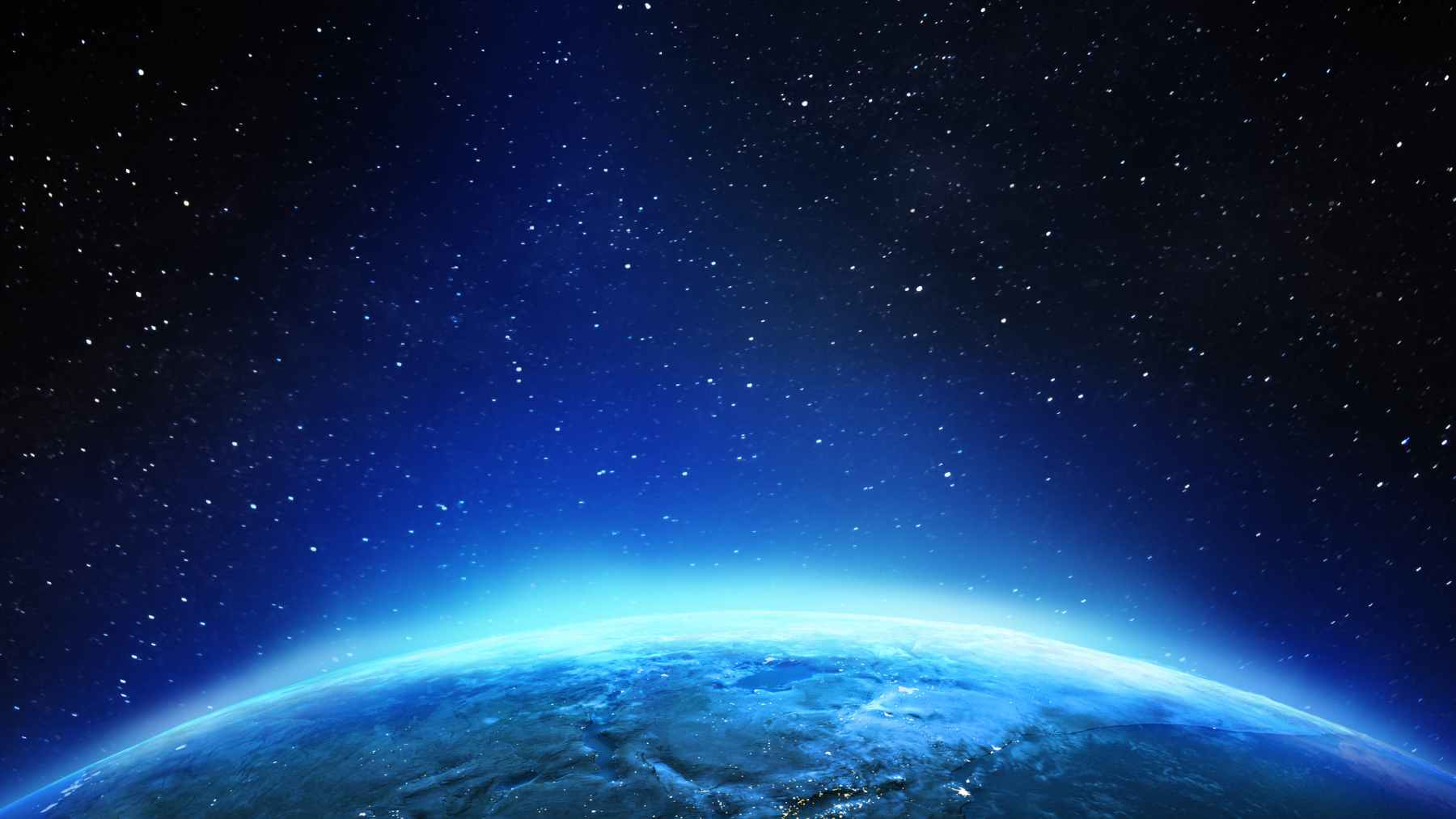
Reflect Orbital’s constellation would add thousands of intentionally bright objects to that swarm. Dark sky specialists such as John Barentine estimate that each mirror could create a beam around four times brighter than the full Moon for people directly underneath, with scattered light spreading far beyond the target area. Robert Massey from the Royal Astronomical Society has called the proposal “pretty catastrophic” for astronomy and warns that stars could simply vanish for anyone caught in the beam.
Wildlife that lives by moonlight
Many birds that migrate or hunt at night navigate using the Moon and stars, and conservation groups blame city lights for large numbers of fatal collisions with buildings. Reviews of artificial light at night show that it disrupts sleep patterns, navigation and breeding in many species, from moths and fireflies to amphibians that rely on darkness to call for mates. Other research links bright nights to declines in insects that are already under pressure from habitat loss and pesticides.
Humans are caught in the glow as well. A recent global study based on millions of birdsong recordings found that urban birds living under bright skies are active and singing almost an hour longer each day than their rural cousins, a sign of how deeply light can shift biological rhythms. Large medical reviews connect light-polluted nights to disrupted sleep, changes in hormones such as melatonin and higher risks of some chronic diseases, with lower-income neighborhoods often closer to highways, industrial yards and other sources of glare.
Can mirrors really fix our energy problems?
Reflect Orbital argues that its mirrors could help power grids through the difficult evening hours when demand spikes after sunset, especially in places that rely heavily on solar power. It is true that many regions now see steep ramps in electricity use when people arrive home, switch on lights and air conditioning and start cooking while solar production falls away. Extra light from orbit looks, on paper, like a futuristic way to stretch clean energy into those hours.
Independent physicists and astronomers, however, question whether the system can deliver enough energy to justify its footprint in orbit and its impact on the sky. Some calculations suggest that once the mirror beam spreads out and passes through the atmosphere, the extra power at ground level could fall far below the company’s most optimistic claims. Critics note that familiar tools such as battery storage, better efficiency and more local solar capacity can extend clean power without rewriting the appearance of the night for everyone on Earth.
Who gets to own the dark?
Who should decide when a private company can change the appearance of the sky for the entire planet. The International Astronomical Union and dark-sky advocates now argue that dark and quiet skies should be treated as a shared resource rather than just the backdrop for commercial constellations. Recent papers in leading journals warn that current laws lag behind the pace of launches and call for new rules so that satellite operators, regulators and scientists share responsibility for limiting light pollution.
At the end of the day, the promise of extra clean energy has to be weighed against the loss of natural darkness for people, wildlife and future generations of stargazers. A single private company, working with one national regulator, now has the power to reshape the way nights look everywhere on Earth. Before the first space mirror opens like a silver flower above the horizon, societies will have to decide how much of the night they are willing to give up.
The study was published on the Nature website.