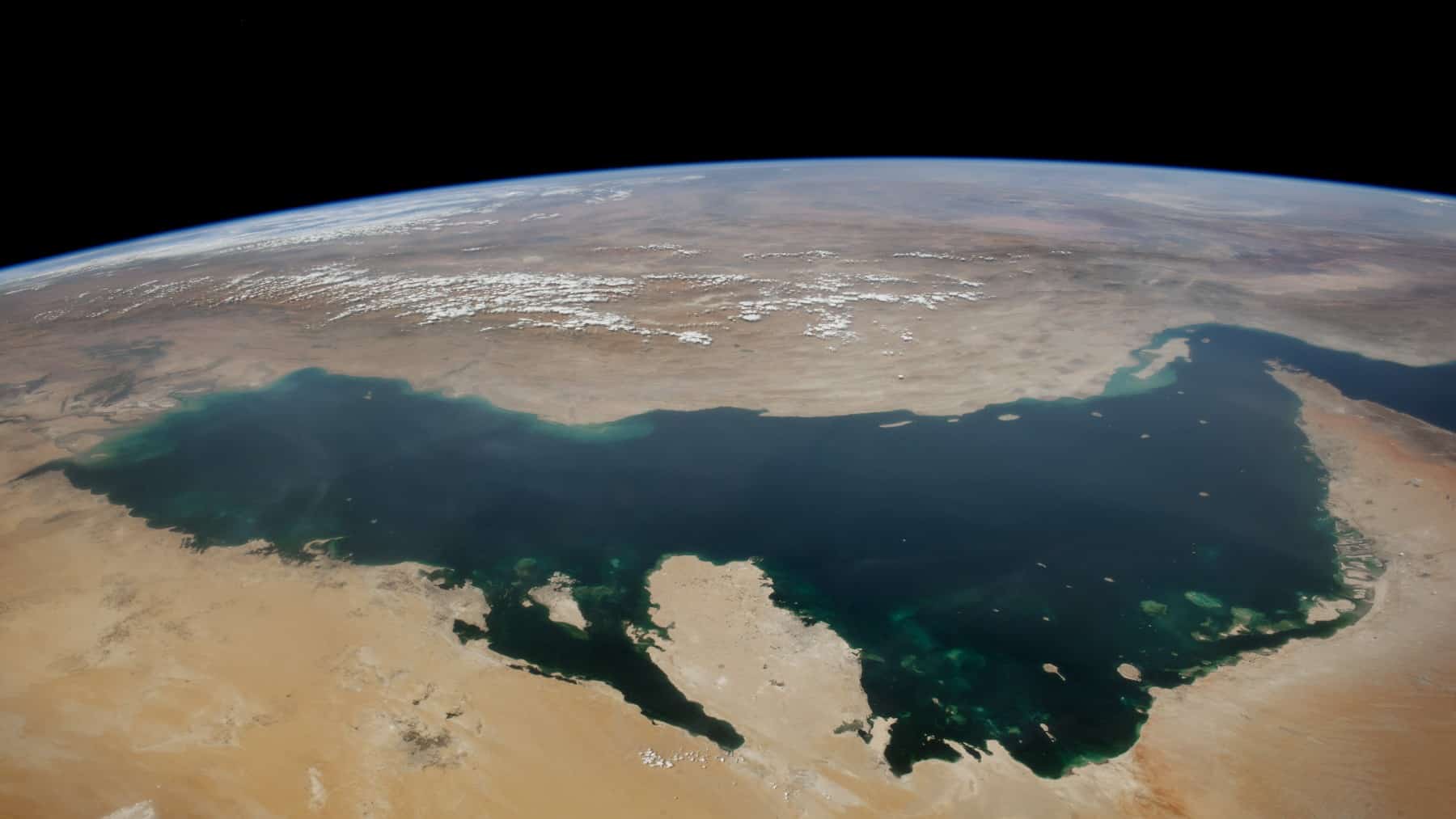
Green hydrogen emerges as a significant new valuable resource in the Persian Gulf region despite its extensively recognized oil reserves. The sustainable renewable energy source possesses the capability to transform energy systems in the region as oil did back in the twentieth century. Using solar and wind power the Gulf countries can generate trillions of liters of green hydrogen to establish leadership in the worldwide energy transformation.
The game-changing potential of green hydrogen in the Persian Gulf
Renewable energy enables electrolysis, which splits water molecules to produce hydrogen and oxygen gases, which are green hydrogen products. Grey hydrogen produced from natural gas produces major carbon dioxide emissions, but green hydrogen is a completely carbon emissions-free product. Large-scale green hydrogen production aligns perfectly with the Persian Gulf region because it possesses ample solar and wind energy reserves.
The GCC member nations, Saudi Arabia, alongside the UAE and Qatar, strongly support the development of renewable energy projects. Earlier investments seek two major objectives: diminishing environmental emissions and opening new profit-producing opportunities. The UAE could generate enough revenue through green hydrogen production from 20% of its solar plant installations that match its present oil and gas earnings.
Simultaneously, solar and wind power are the primary methods for large-scale green hydrogen production.
Large and economical solar energy projects operate within the Middle Eastern region. For instance, the Maktoum Solar Park in Dubai and the Sweihan solar PV project in Abu Dhabi produce electricity at record-low prices. The projects show that the area could produce extensive renewable power that enables the production of green hydrogen.
The area investigates the deployment of wind electricity as an addition to solar power generation. A power system that merges solar and wind energy supplies uninterrupted electricity needed for effective green hydrogen production. Renewable energy in the Gulf region costs so little that green hydrogen production becomes affordable at competitive prices approaching $1.75 per kilogram.
Green hydrogen production can potentially initiate a new prosperous period for Gulf nations.
The adoption of green hydrogen brings several economic and environmental advantages to society. The Gulf countries use this economic opportunity to introduce a new revenue stream that makes their economies more diverse while reducing their dependence on oil revenues. The worldwide market for green hydrogen will expand quickly over the next few years because industries require sustainable energy solutions for transportation and generation of power and application in industries.
Green hydrogen production is a powerful instrument for reducing greenhouse gas emissions in the environment. Water remains the main byproduct of hydrogen fuel usage, making it an environmentally friendly substitute for fossil fuels. The Gulf countries can deploy green hydrogen to fulfill their climate goals while taking part in worldwide climate change mitigation initiatives.
The complete realization of green hydrogen depends on solving multiple existing obstacles to reach its maximum potential. Electrolysis technology faces difficulties mainly due to its expensive nature. Researchers continue to develop technologies that should reduce electrolysis expenses, thereby matching the price of traditional fuel and power sources.
What’s next? Challenges and opportunities for the Gulf’s hydrogen future
The storage and transportation of hydrogen require additional infrastructure development to succeed. Gulf countries seek multiple solutions for hydrogen transport because they intend to use it through ammonia conversion. Standard shipping infrastructure allows the transport of ammonia, which returns to hydrogen at locations where it is needed.
Green hydrogen presents meaningful opportunities surpassing existing difficulties and needing additional solution development. Green hydrogen manufacturing at a global scale presents an opportunity for Gulf countries because they possess all the necessary elements, including resources and knowledge. Investing in this green oil provides them with future energy leadership and the chance to build a sustainable world.
The Persian Gulf possesses all the necessary elements to quickly establish itself as a prime force in the emerging green hydrogen market. The region contains trillions of production potential, allowing it to use renewable energy resources to build a sustainable energy economy. The Gulf nations can transform their economies while lowering emissions through green hydrogen adoption, which will guide global energy transitions.