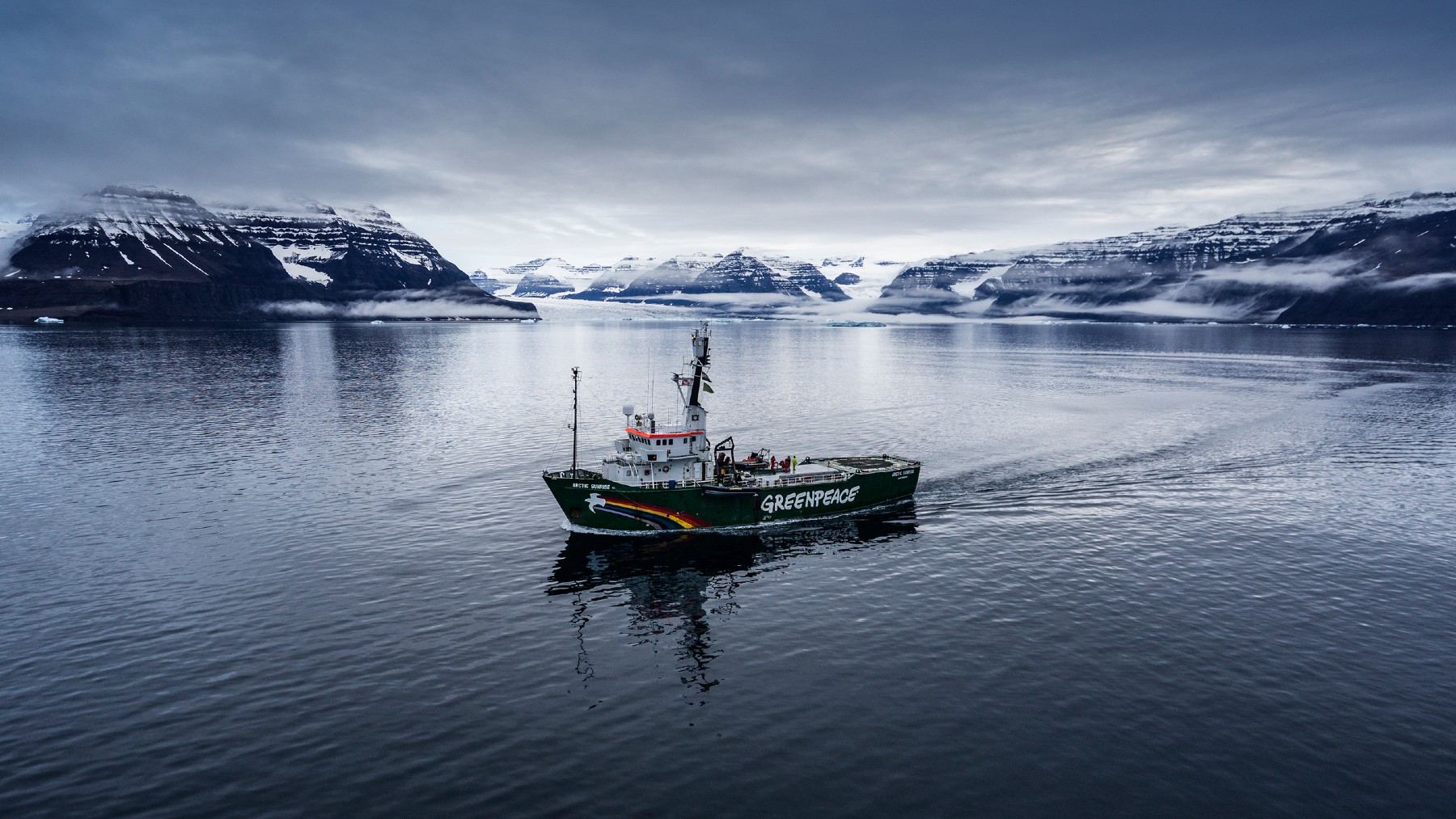
Greenpeace is commonly associated with sustainability, renewable energy and ecosystem conservation. However, a sector of the population has certain misgivings after discovering “inconsistencies” in the way it operates. Therefore, a very popular question has always been what fuel they use for their displacements, something we have now learned. The surprise? It’s not electric, but this dual-fuel engine surprises everyone and has been commissioned by a well-known company.
Greenpeace’s new engine, unveiled to the world: The organization has been working on it
Greenpeace, as a leading environmental organization, is ready to advance in its fight against climate change and non-sustainable practices by building a groundbreaking, environmentally friendly vessel. Its goal is to prove the practicality and efficiency of ocean crossing using only renewable energy sources. Mind you, this is for the maritime industry.
The new Greenpeace’s “vehicle” will be 75-meter-long sailing, intended to be mostly powered by wind and equipped with the most modern eco-friendly technologies. The ship will be composed of almost 2000 square meters of sales, meaning that most of the power for moving the ship will be sourced from wind.
These figures in sail area will enable the vessel to move across large oceanic distances with little effect on the surrounding environment. Without doubt, the layout and general design of this new ship are perhaps one of the most impressive when it comes to embracing the use of renewable power sources.
It’s not electric, but a dual-fuel engine: Why Greenpeace has shocked the world
At its inception, the vessel will be as low-carbon as it can be, and it fully aims to be powered by 100% renewable energy in the near future. To achieve this, the ship will utilize a combination of green fuels:To achieve this, the ship will utilize a combination of green fuels:
- Green Hydrogen: Hexagon Purus Maritime, as the compressed hydrogen fuel system, will be used as a clean and efficient source of energy.
- E-Methanol: The ship will also be able to use e-methanol, which is a synthetic fuel-derived intermediary from renewable electricity, as well as carbon capture.
Such sophisticated fuel systems will reduce the extent of emissions the vessel is likely to produce as compared to the traditional ships, thus adhering to the Greenpeace policy on the protection of the environment.
In addition to its expansive sail area, the ship will be equipped with:
- Energy Regeneration Devices: These systems will be able to trap and convert kinetic energy produced from the movements of the ship into electrical power.
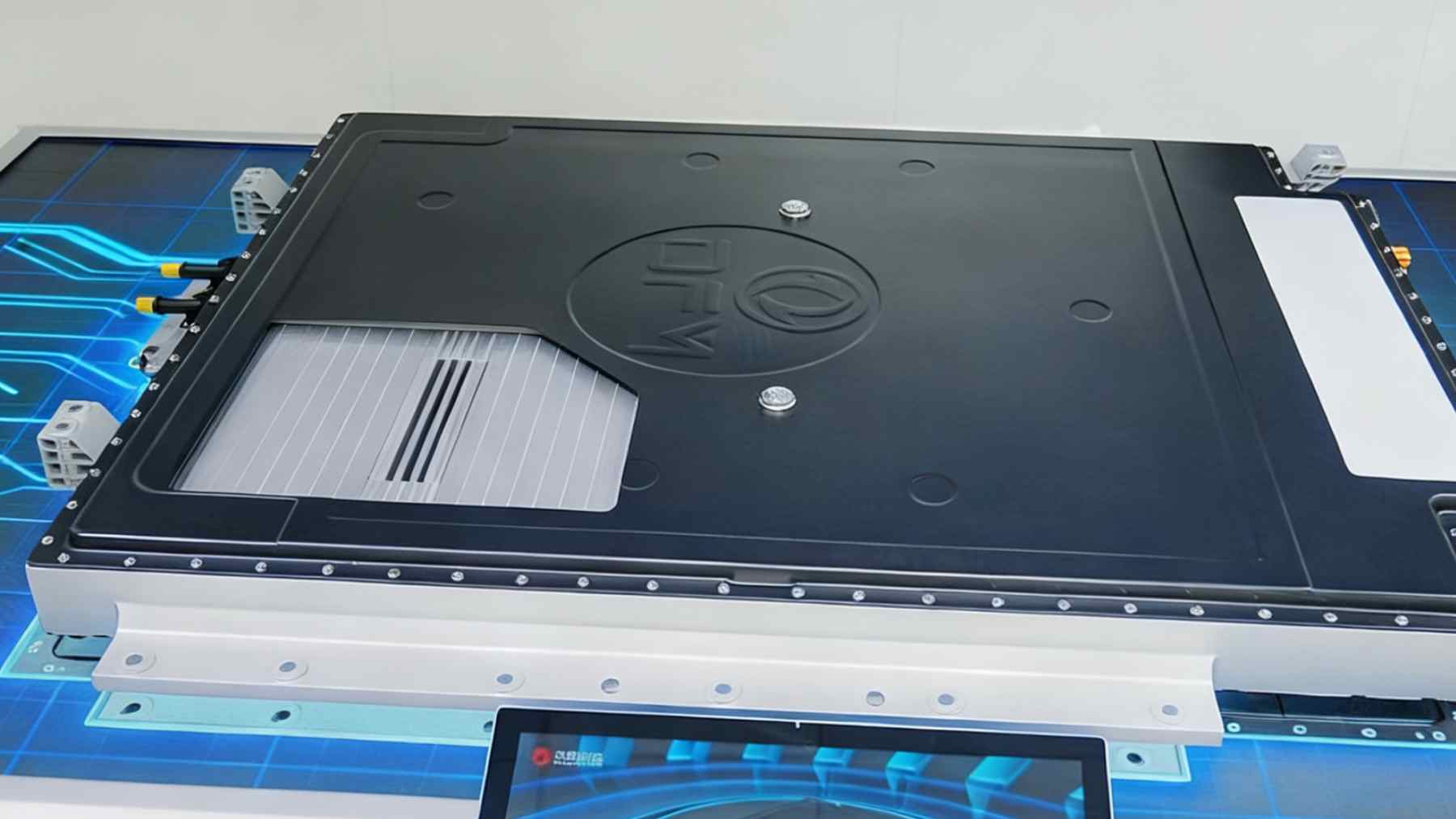
- Battery Packs: Long-duration storage will help store the surplus renewable power during times when the winds are high or the sun is up. The electricity generated can be stored in large batteries to be used when the wind is low or the sun dips.
- Solar Panels: A row of photovoltaic panels will transform the solar power to enhance the electrical energy demands for the ship.
Its development journey, in detail: How the Greenpeace’s dual-fuel engine is being created
Although separate figures of performance are yet to be released, the fact that wind power, when complemented with other green technologies, is believed to be exceptional in power efficiency. Most of the ship’s power will be derived from the large sail area, allowing for minimal use of the engines and less fuel.
Energy regeneration devices and options, such as the solar panels, are also other improvements that will boost the energy efficiency of the vessel and its ability to run for long durations with little or no refueling. Greenpeace is now working together with Freire Shipyard in Vigo, Spain, in order to make this vision a reality.
The Greenpeace dual-fuel engine demonstrates that the organization truly defends a sustainable model for transportation, with a prototype that is not far from electricity but without depending on it. The truth is that maritime transport, as you well know, is one of the hardest to decarbonize, something that ammonia or methanol, but also hydrogen, are trying to solve, and that is now finally a little closer (or so we think, because after all, it is just a ship).