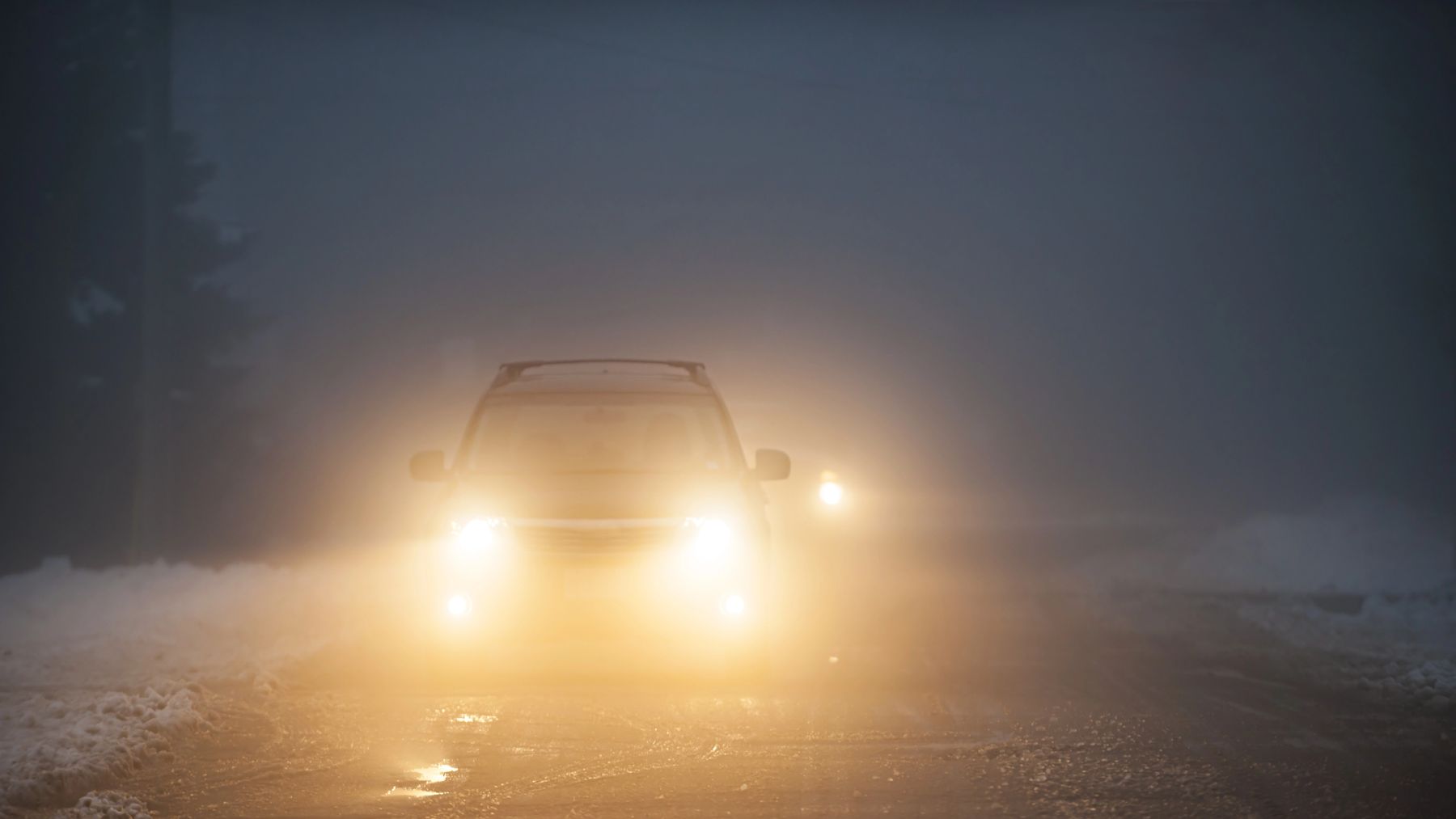
In Maine, flashing headlights have several different meanings and legal implications that every driver needs to know. Being able to properly interpret these signals can lead to a more courteous and safe driving environment. Understanding when and why drivers flash their headlights can make you a more confident driver on Maine’s roads and help you prepare for or respond to potential dangers.
Warning! If you notice flashing headlights, this is what motorists are informing you.
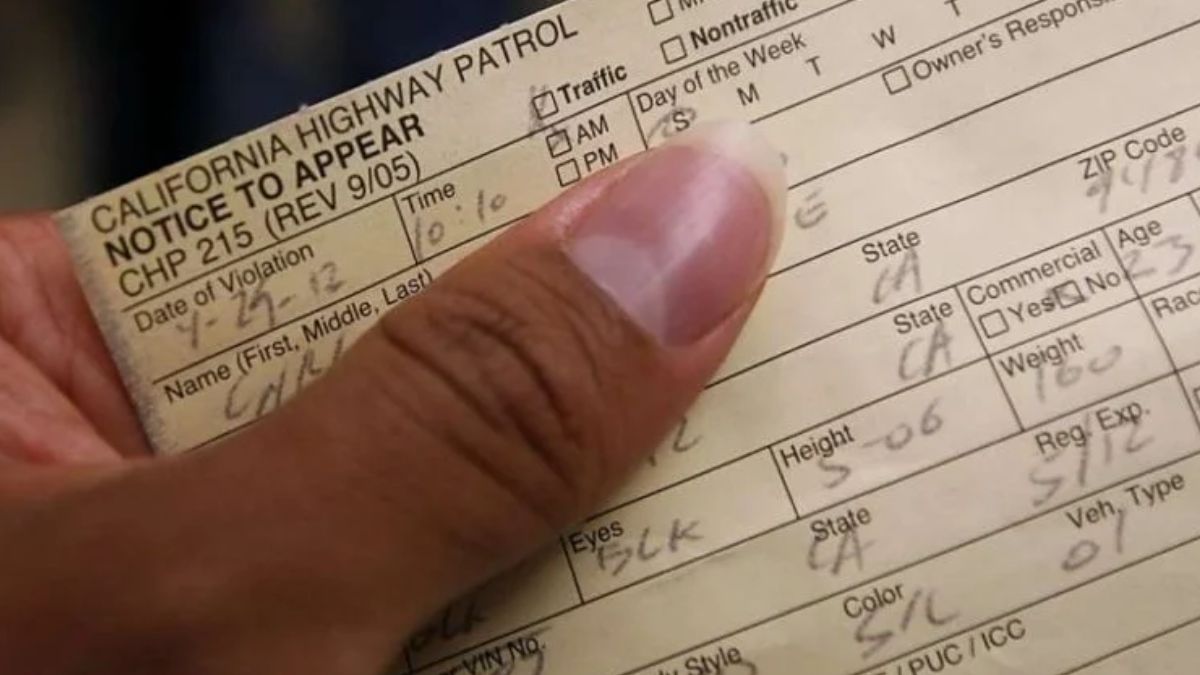
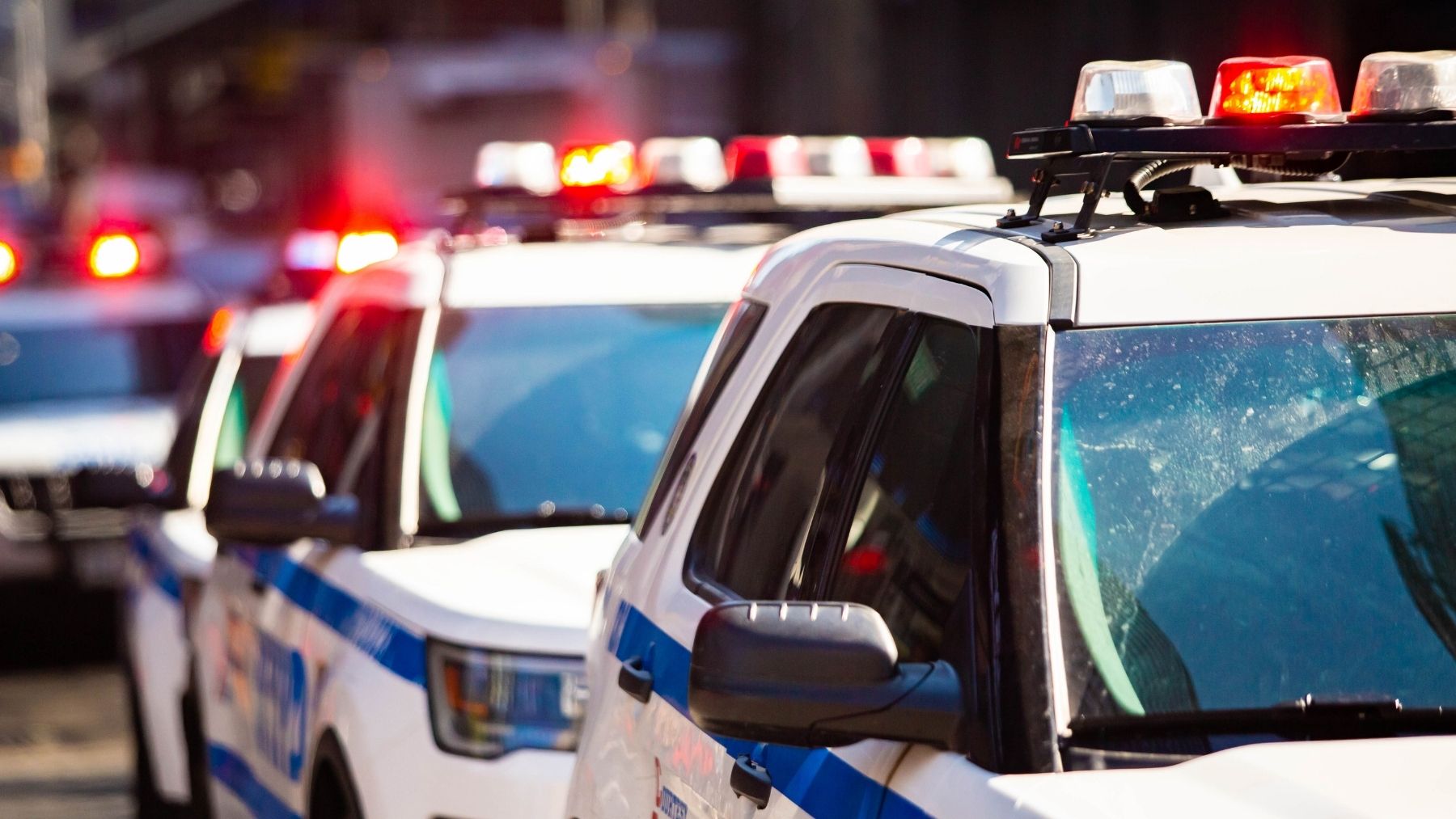
One of the most common reasons for flashing headlights is to warn other drivers of a speed trap. According to WCYY, this simple gesture serves as a courteous warning, helping drivers slow down and avoid receiving speeding tickets. Many drivers appreciate this kind of communication, as it promotes awareness and safer driving behavior.
It is not against the law in Maine to flash your headlights as a warning, and it is safeguarded under free speech legislation. A 2014 Oregon case established legal precedence when it was decided in a court that flashing headlights to alert other drivers is free speech. Consequently, most states, including Maine, have modified their laws to safeguard this kind of driver communication.
A second reason for flashing headlights, but not high beams, is to alert another driver that his or her headlights are extinguished. This is especially important when driving at night or in poor weather, like a heavy rain or snowstorm, when visibility is already very poor. Maine law mandates that drivers activate their headlights in poor weather, so this courteous gesture can be a very useful and potentially lifesaving reminder.
Free speech or a traffic violation? The legal side of headlight flashing in Maine
Most drivers ask themselves whether flashing headlights can lead to a traffic infraction. The good news is that alerting other motorists to speed traps by flashing headlights is safeguarded under free speech legislation in Maine. The court decision mentioned above upheld the fact that drivers could not be ticketed for flashing their headlights as a means of communication.
Nonetheless, there are other headlight laws that Maine strictly implements. For instance, the use of colored headlights like red or blue, or the mounting of neon under-glow lights on your car, is not allowed. This is to avoid confusion and to make sure that all cars are recognizable on the road. Disobedience of these laws may lead to fines and other sanctions.
Moreover, improper use of high beams can result in warnings or fines. It is unlawful to use high beams in a manner that blinds or distracts other motorists, particularly when following another vehicle or meeting oncoming traffic. Proper use of your headlights is essential to avoid unnecessary fines and promote road safety.
If someone flashes their headlights at you, here’s what you should do next
If you see another motorist flashing his high beams at you, it is probably a signal of an upcoming speed trap. In that situation, check your speed immediately and adjust it accordingly to match the speed limit. This not only saves you a ticket but also promotes defensive driving.
If another driver flashes their regular headlights at you, it could be a warning that your headlights are not on. This is particularly crucial at night or in bad weather when visibility is poor. Turn on your headlights immediately to make sure you are visible to other motorists.
It is also plausible that flashing headlights are used as a general warning of a hazard on the road. Some drivers utilize this signal to alert others of accidents, debris, or animals in the roadway. Being aware and appropriately responding to these signals can help to make roads safer for all. Interpreting and appropriately reacting to these cues can prevent collisions and promote more polite driving. Always take road and other drivers’ safety into consideration when utilizing headlights for communication.
Flashing headlights in Maine is lawful, but you must be aware of these regulations.
Headlight flashing in Maine is done for several reasons, such as alerting other drivers to speed traps, reminding them to activate their headlights, and warning them about road hazards. Such practices are covered by free speech legislation, which enables drivers to convey safety messages efficiently.
By acknowledging these cues and acting on them, you can become a more aware driver and help create a safer driving experience for all. From alerting other drivers to police presence to reminding someone to activate their headlights, this tradition is an integral part of keeping the roads safer. Being knowledgeable about these conventions encourages more considerate and defensive driving across Maine.