While manufacturers are exploring the field of renewable energy sources, hydrogen fuel cell vehicles (FCVs) appear to be the future for those companies aiming at developing environmentally friendly technology.
Honda was one of the pioneers of car manufacturing, a company famous for its engineering and revolutionary ideas. In an unprecedented move, Honda recently pulled the plug to cancel the Clarity Fuel Cell car, which changed its direction regarding hydrogen fuel cell technology.
The launch of the Honda Clarity Fuel Cell: A promising beginning for hydrogen technology
Honda began with the release of the Clarity Fuel Cell in 2016 to improve the company’s environmentally friendly image while promoting the use of hydrogen energy. The Clarity was a hydrogen fuel cell electric vehicle, thus introducing a green method of reducing emissions of gases compared to standard internal combustion engines.
Being an electric vehicle with no emissions, it had hydrogen as its power source, and the only by-product it emitted was water vapor. The vision Honda was pursuing at the time of developing the vehicle was to make the use of hydrogen fuel more widespread.
However, the sales numbers expected to rise rapidly due to the innovative technology of Clarity were not achieved. One major cause for this was the absence of sufficient hydrogen fueling stations, particularly beyond California, which has hydrogen stations, but only a few.
Because many consumers could not regularly refuel their vehicles, prospective buyers did not believe in a technology they could not use daily. Other barriers included high leasing costs, pegged at a monthly base rate of $379 and a huge down payment.
Why Honda is pivoting from hydrogen fuel cells to battery electric vehicles
The move by Honda to cancel the Clarity is not an act of lack of commitment to green tech but a strategic one. The company has declared its intention to go fully electric by 2040, leaning more towards battery electric vehicles (BEVs).
Unlike hydrogen FCVs, BEVs have a fast-growing charging infrastructure and a larger market. This change is consistent with Honda’s vision to be a carbon-free company by 2050. Additionally, with strategies like the one with General Motors, Honda intends to use innovations in battery technology to drive this vision.
The Clarity Fuel Cell was not the only model to be phased out; Honda followed suit by ceasing production of the Japanese Odyssey minivan and the Legend sedan. This step fits with Honda’s strategy of reshaping its product offering to concentrate on essential models and innovative sustainability.
The Clarity series was useful for Honda in its transition to electrification, but now the company wants to focus its efforts on hybrids and the production of affordable BEVs. Honda’s strategy is based on the projections of market requirements and the existing status of hydrogen technology constraints.
Honda’s enduring commitment to hydrogen technology: What’s next in the pipeline?
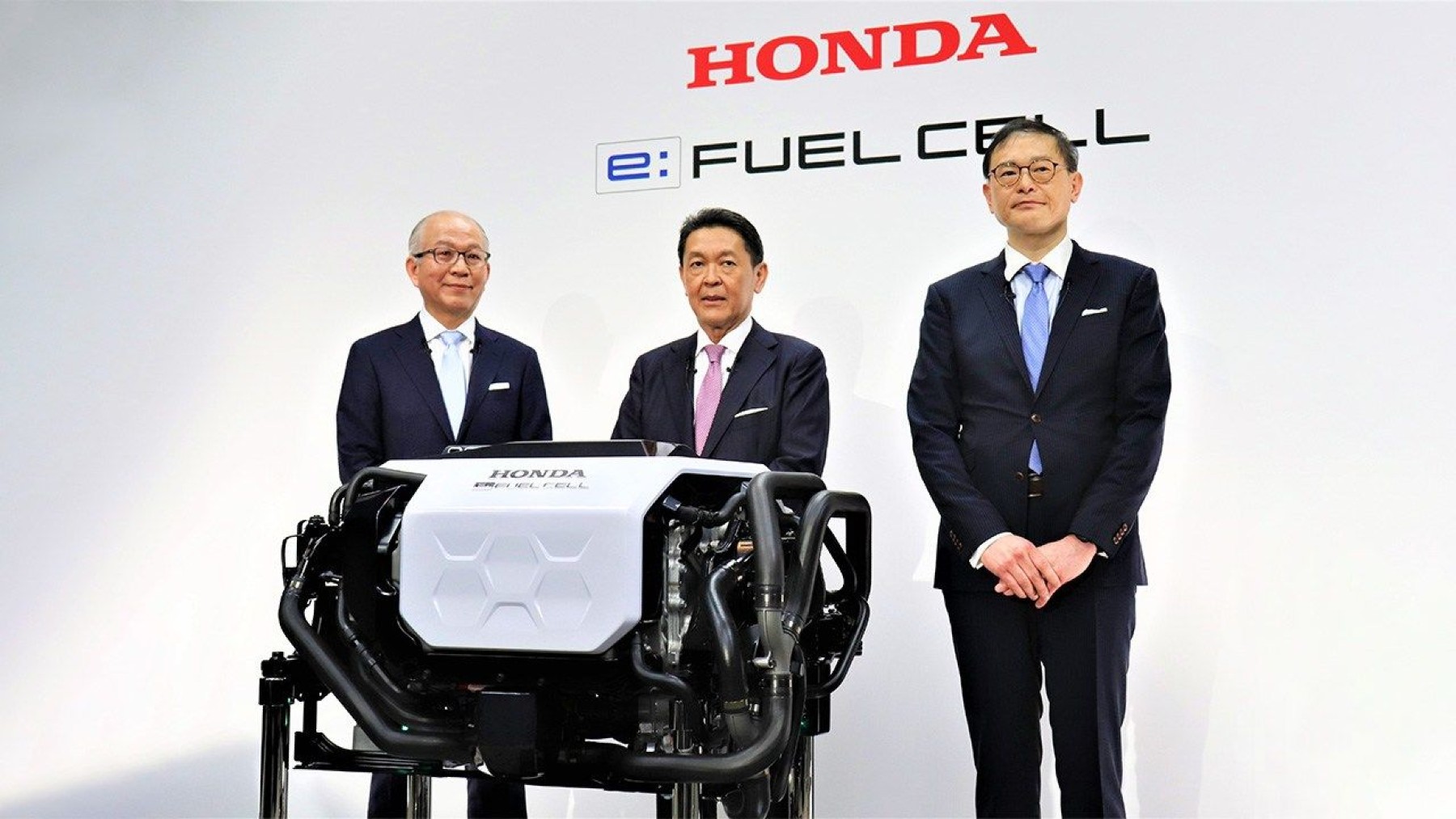
Even though the Clarity Fuel Cell has ceased production, Honda believes in hydrogen and its possible role in the future. It remains committed to research and development and holds that hydrogen fuel cell electric vehicles are a realistic proposition for commercial vehicles that require centralized refueling.
Further, new projects with General Motors are being developed to put fuel cells for lengthy-haul uses, where hydrogen is advantageous in refueling. It is, therefore, important not to consider Honda’s decision to end the production of the Clarity Fuel Cell as a retreat but as a change of tact.
With a focus on BEVs and an exclusive concentration on battery electric vehicles, Honda is in tune with changing customer needs and supporting the environment. Hydrogen fuel cells may have underperformed in their early promise.
Still, Honda’s continued research and collaborations indicate that the story of hydrogen in the automotive industry has not yet been written. During Honda’s continuing process of formulating and improving its sustainability plan, the future of green automobiles is fluid and full of potential, with battery electric at the forefront and hydrogen ready for its next phase.