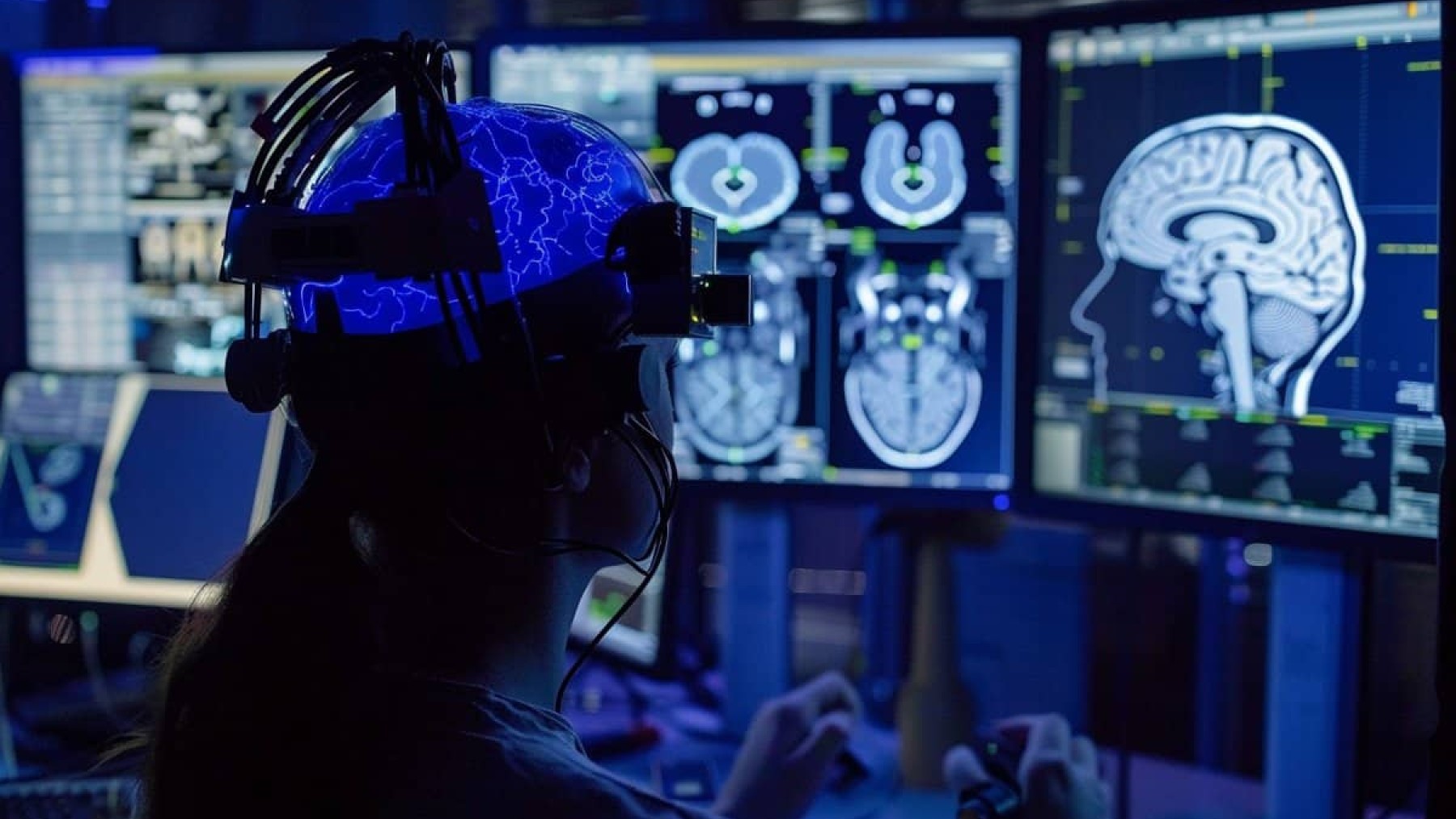
The future is here. The United States has transhumanist techno-progressed in a leap and bound by developing superintelligence through brain-computer interface (BCI) technology. This revolutionary innovation has brought a new and promising area of human development, making the connection between the human brain and machines, digital systems. America, which has always been one of the leading players in the world of science, has now embarked on redesigning the human mind and command.
Discover how brain-computer interfaces are changing lives for the better
BCIs have been one of the most studied technologies for years, but this is the first time this approach has been successfully applied to humans on a large scale. BCIs work by decoding electrical signals from the brain so that individuals can control external devices with their minds. These signals can be translated into digital form, thus enabling patients with paralysis or other mobility disorders to control gadgets such as smartphones, computers, or even robotic limbs simply by use of their brains.
One of the world’s most established BCI firms, Synchron, just concluded a year-long trial showing that its implantable BCI is safe when used in people. Six patients who were paralyzed and unable to use their arms could type on a computer and point at a cursor, which demonstrated the great promise of this technology. The device interfaces with the brain and the motor signal codes of the latter to convert the former’s intent expressions into digital actions.
BCI technology is a landmark on the way to the creation of superintelligence. As opposed to noninvasive interfaces, implantable BCIs provide higher quality, valid, and more informative signals due to their intracranial nature. Such high-performing interfaces could be a real breakthrough for disabled individuals, allowing them to regain as much control over their lives as possible. It can also apply to gaming, communication, and medical rehabilitation industries.
To date, the most advancement in BCI has been witnessed in the US, perhaps because of the encouraging legal environment being experienced there. After the first implantable BCI was tried on a human subject in California in 2004, the United States emerged as a world hub in BCI development. The FDA and its guidelines have created an environment conducive to BCI trials in the US, which has become the research destination of choice for researchers and firms.
The exciting potential of thought control technology for independence
Perhaps the most exciting area of applications of BCIs is assistance in providing individuals with severe disabilities their independent lives back. People who have injuries that make them paralyzed or have motor disability problems can be able to use BCIs to control wheelchairs, prosthetic limbs, or even communication gadgets. These technologies reconnect lost functions and enhance human possibility by allowing individuals to do things they are otherwise unable to do.
For instance, there is evidence that the BCI technology developed by the Ontario-based firm Synchron is compatible with consumer electronics such as the Apple Vision Pro headset and the Alexa from Amazon, which allows users to control smart home devices just by using their brains. This capability could go a long way to enhancing the quality of life of paralyzed and other mobility-impaired individuals. In addition, it sets the foundation for future uses as diverse as commanding cars to move around in immersive environments.
Addressing the challenges and ethical considerations of brain-computer interfaces
Of course, as with any revolutionary technology, there are ethical issues that have to be discussed. While the procedure of implanting electrodes in the brain is relatively effective, it may cause such problems as infection, tissue damage, or the development of long-term complications. Despite the Synchron study demonstrating no device-linked adverse events, many questions remain about the long-term risks of having BCI implantation.
Another equity problem is also thrown into the equation with the increased use of BCIs. The United States is pioneering in BCI advancement, yet the possibility that only a fraction of the populace will reap the rewards of BCI is a potential issue. Technological advancement is being made, and companies such as Synchron are trying to increase production, but it may take years if not decades. Another factor that may threaten the use of BCI could be regulation challenges, especially in countries that have not been involved in trials of this distinguished technology.
The future of BCI technology: endless possibilities and breakthroughs ahead
However, it is worth noting that the future of BCIs and superintelligence has much potential. As imageries deepen, these technologies will continue to be developed more and more, making them safer, more readily available, and more effective. The United States is at the forefront of this technological revolution. However, as the BCI progresses, all the countries around the globe are likely to appreciate this significant advancement in human capacity.
Who knows, in several years, people will be able to recall this moment as a starting point of the new epoch of people-robot hybrid intelligence? There are plenty of opportunities, and the realization of ideas has just started.