The archipelagic country of Indonesia, which is blessed with abundant resources, has again set a record in renewable energy. Energy generation from micro hydropower plants has begun with the help of water resources. This new idea is receiving interest for its effectiveness, efficiency, and eco-friendliness compared to lengthy and expensive standard procedures. Even more interesting is that similar technology can be applied at home, granting energy independence at a domestic level.
The rising significance of micro-hydroelectric power in Indonesia
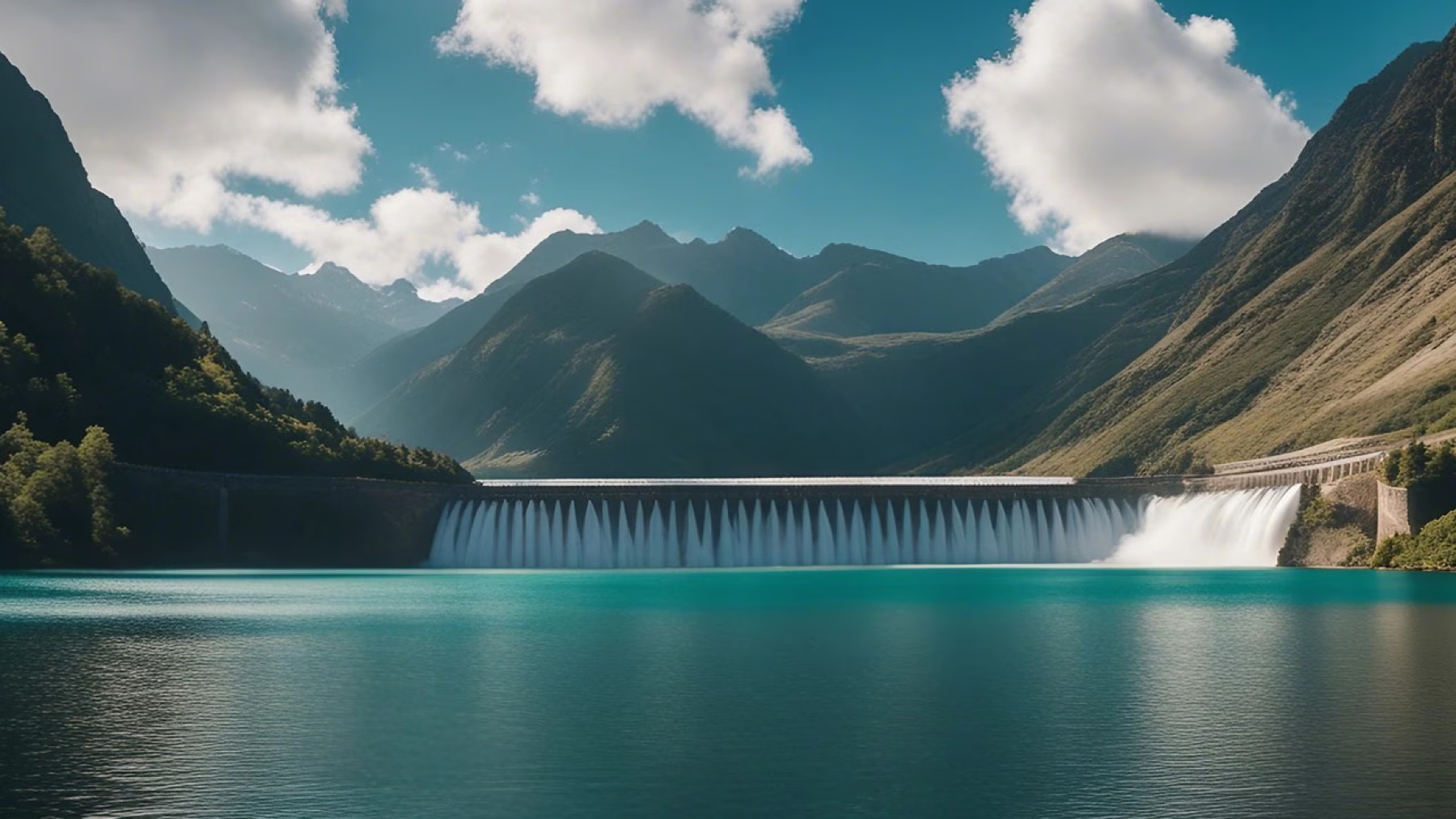
Of course, micro-hydroelectric power plants have been around for a while, but their use on a large scale did not exist until Indonesia. The Gununghalu village in West Java has installed a micro-hydro power plant that uses power from the Ciputri River.
Using the river current, the plant produces electricity for the village and minimizes its reliance on the state-owned power system. This success story demonstrates that water power can be a dependable energy source for big groups and even individual households. The principle behind micro-hydroelectric power is simple: waterfalls on the lower side, which puts pressure.
This pressure can then spin turbines, converting mechanical energy into electrical energy. The technology involved is simple, and anyone with a water source can obtain the water. For instance, the Gununghalu plant in Indonesia was developed with the assistance of the local government and through cooperation from the community. Similar systems can also be applied in the home to make flowing water a renewable energy source.
The economic and environmental benefits of micro-hydropower systems
Micro-hydro technology is another benefit that boasts of having a lesser effect on the environment than other technologies. While many hydroelectric power plants have complicated processes that affect ecosystems and displace people, micro-hydro plants need not. In Gununghalu, they have continued to retain the local forest for a steady water supply so that there is conservation.
Also, the electricity produced is cheaper than other types, which only cost half of what the residents pay. Because micro-hydro offers the advantage of saving costs and protecting the environment, the technology suits urban and rural households.
How to harness micro-hydro energy technology for your home
Due to today’s technological enhancement, installing micro-hydro power systems in homes is possible. For those who have access to streams, rivers, or any other steady water source, small-scale turbines can be fitted to produce electricity.
As in Gununghalu, the home unit can deliver enough power for vital appliances, thereby minimizing dependence on the leading power network. The initial costs for the setup are not very high, and due to different governmental policies for utilizing renewable energy, the money can be earned back in a few years. It also allows people to take their energy generation into their own hands and be part of environmental conservation.
A bright future for micro-hydroelectric power in Indonesia and beyond
Micro-hydroelectric power in Indonesia is only the start of a series of successes. It is believed that the technology will likely be adopted more frequently worldwide due to its availability and cost with time. Micro-hydro can be a viable and cheap solution for countries and regions of the third world where access to electricity is still a problem.
In developed countries such as the UK, the simplicity and reliability of micro-hydro systems make it easier for renewable energy users. Such innovations mean that water power might soon be considered a commonplace utility in homes, making people manage their energy sources and helping the world fight climate change.
Therefore, Indonesia has revolutionized energy generation through water, which has brought about renewable energy. Micro-hydro systems with applications in communities and households make energy independence look bright and green in the future. Whether you live near a river or not, the idea of using water to create electricity is now nearer than you think.