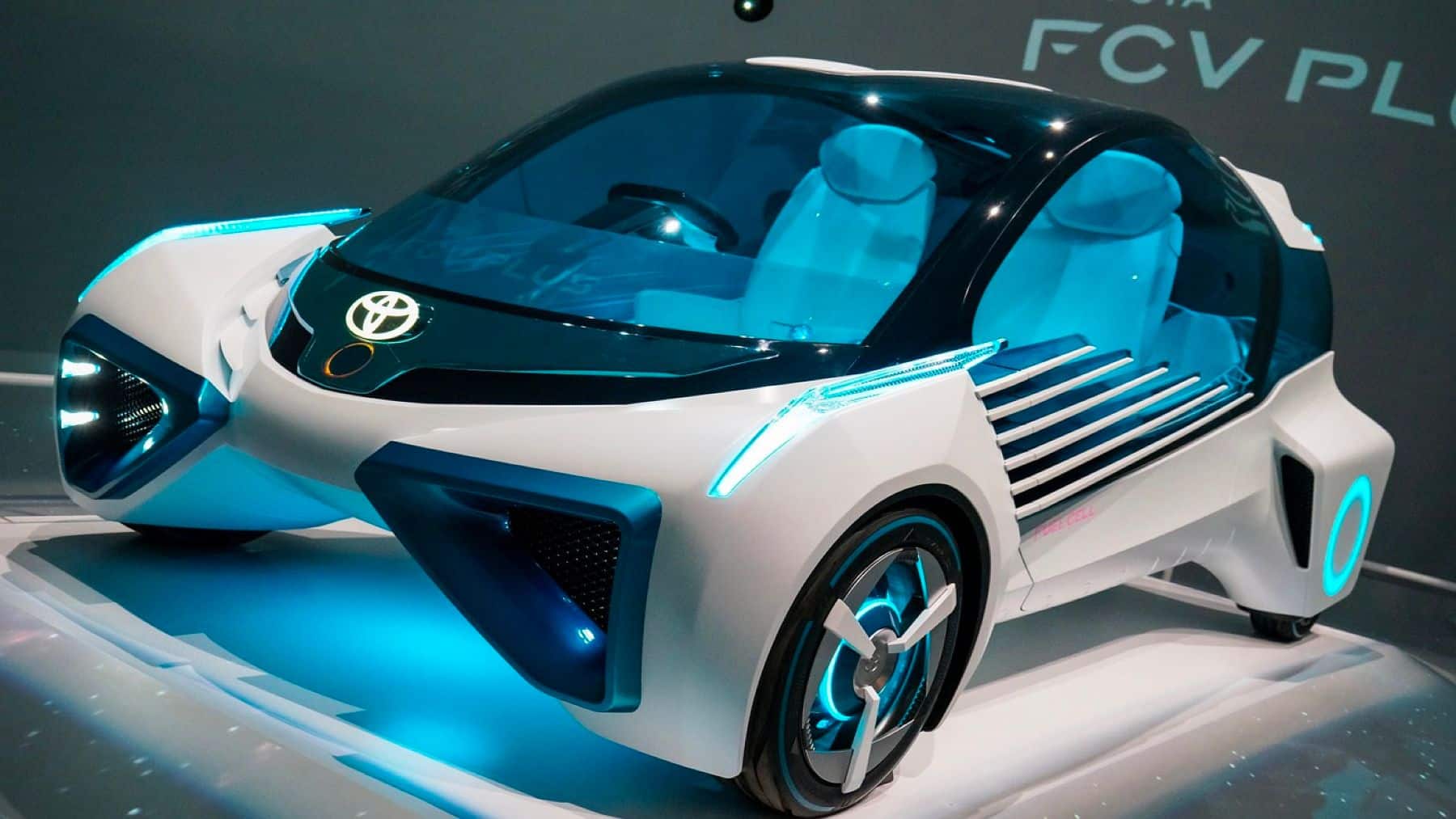
People debate extensively about the future of hydrogen-powered automobiles. Research and current occurrences point toward important barriers during cold weather that undermine these vehicles’ practical use. The present winter has highlighted the core difficulties of hydrogen car technology, which caused the community to reassess their overall practicality level.
The intense cold weather destroys the efficiency ratings of hydrogen-powered vehicles.
Over the years, research done by the Quebec government has demonstrated that multiple problems exist when using hydrogen-powered cars in cold conditions. Hydrogen fuel consumption rose beyond 40% when exposed to -6°C (21.2°F) temperatures compared to technical specifications provided by manufacturers. The dramatic rise in fuel consumption conflicts with the primary benefit that hydrogen supporters advertised for these vehicles regarding efficiency in frigid conditions.
The study indicates reason for concern because BEVs experience substantial performance losses of 20-55% of charge in cold weather conditions. These efficiency losses found in hydrogen vehicles are much greater than those of other models, thus diminishing their practicality in cold weather areas. The future prospects for hydrogen vehicles as a transportation solution become compromised when they cannot function properly in cold winters.
The number of hydrogen refueling stations decreases, resulting in worse performance benefits.
Hydrogen vehicles face substantial technical issues, creating more difficulties because their supporting infrastructure system experiences critical deficiencies. The hydrogen fuel push in California becomes weaker because the state encounters continuous reductions in hydrogen refueling stations, which blocks current users and potential adopters from using the hygiene infrastructure. The lack of infrastructure development represents a major obstacle to launching hydrogen-powered vehicles since fueling stations form a critical basis for their practical deployment.
A decreasing number of hydrogen stations indicates serious economic and logistical obstacles to sustaining a hydrogen refueling network. Hydrogen fuel stations demand high infrastructure investment and regular maintenance procedures because they differ from the easier integration capabilities of electric refueling infrastructure. Limited growth of hydrogen infrastructure fails to support the growing number of hydrogen vehicle owners, thereby reducing their adoption prospects. Increases in hydrogen fueling stations will maintain consumer confidence in hydrogen vehicle technology.
The growing expenses for hydrogen fuel reduce the market value of hydrogen-powered vehicles.
Evaluators continue to assess the economic feasibility of hydrogen-powered vehicles as one of the key components in this review process. Poor fuel efficiency combined with higher operating expenses are critical problems that arise from driving hydrogen-powered vehicles in cold climate conditions. The high cost of hydrogen fuel combined with greater usage in cold conditions makes these cars increasingly unaffordable compared to gasoline or electric vehicles.
The low number of hydrogen refueling stations makes refueling difficult and produces extra financial costs for consumers who need fuel. Drivers must travel long distances between scarce refueling stations, increasing fuel expenses and driving time. The current market avoids hydrogen-powered vehicles due to operational difficulties and higher costs than electric and traditional gasoline cars. People driving hydrogen-powered vehicles should discover methods to reduce fuel costs because this could make the technology profitable for the automotive market.
Future prospects for hydrogen cars are uncertain since they need to demonstrate feasibility in the market.
After their unsuccessful winter performance, the global evaluation of hydrogen vehicles’ future viability occurred. The application of hydrogen technology remains promising in the trucking and industrial sectors, yet passenger car viability continues to decline. Various problems, including technical complexities and cost issues, stand in the way of hydrogen cars becoming mainstream.
The adoption of hydrogen cars demands substantial technological breakthroughs and infrastructure development. The achievement of practical hydrogen car technology requires work on two fronts: making hydrogen fuel cells operate more efficiently amid frigid conditions, building hydrogen fuel stations, and producing this energy cheaper. Hydrogen cars face minimal prospects of effective competition against electric vehicles as electric vehicles keep advancing rapidly and receive increasing infrastructure backing.
The hydrogen car experiment has experienced major difficulties this winter, revealing major issues that require immediate solutions. A reassessment of hydrogen’s future role in transportation becomes essential due to higher fuel costs during cold weather, declining refuelling stations, and economic challenges that affect its viability. Current evidence suggests that the future application of hydrogen technology seems no longer promising for widespread adoption among passenger vehicle drivers.