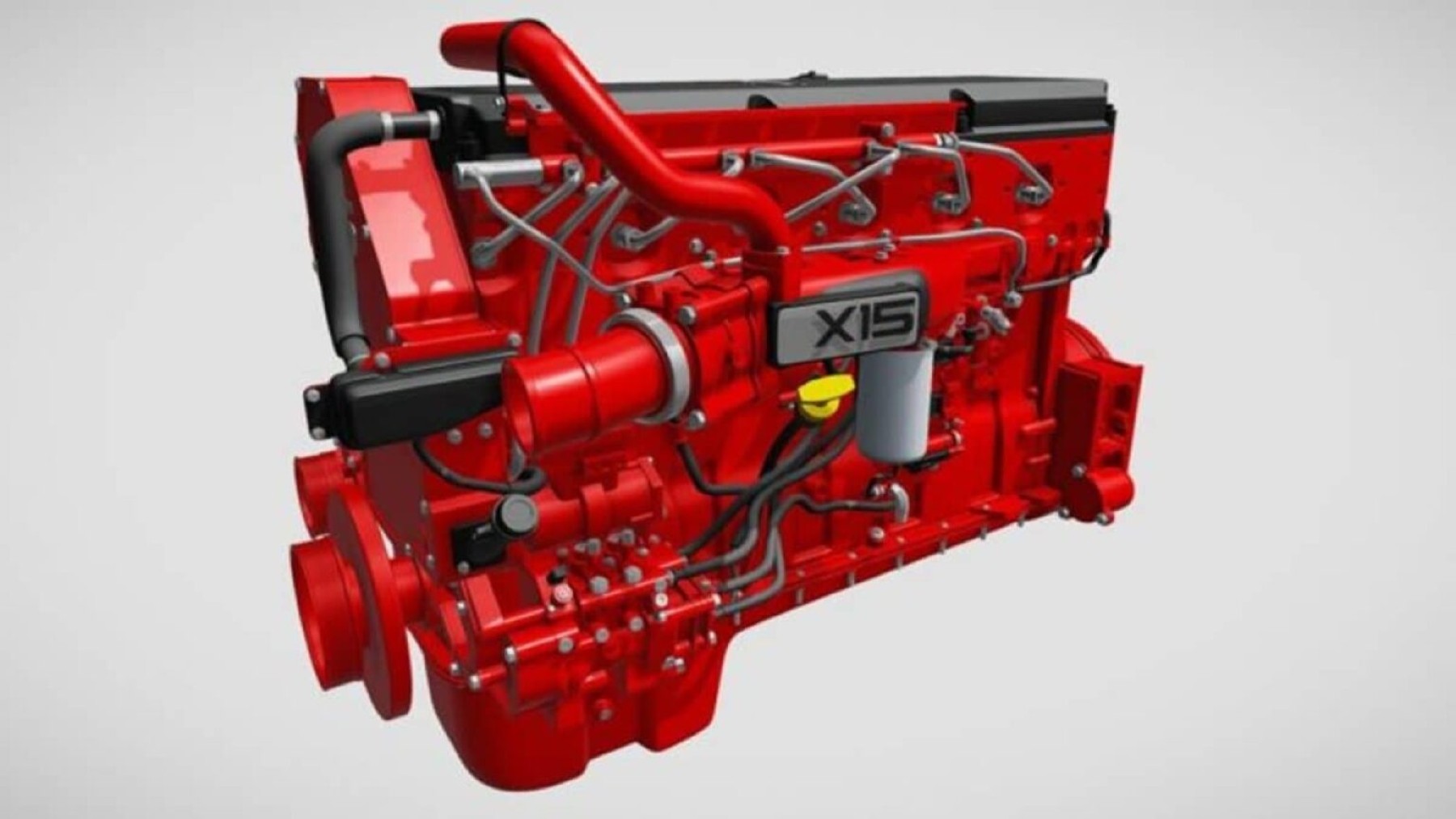
An innovative discovery in the vehicle has placed the interests of experts and enthusiasts at the peak of their interest. The introduction of a hydrogen engine version of 15 litres for DTAs
A Groundbreaking Invention
Automotive & energy technology lovers and professionals are eager to know more about this new invention – an engine. The moment is when a 15-litre engine that operates with water will make a breakthrough in fuel use and its impact on the environment. This revolutionary discovery can indicate the gradual abolishment of conventional hydrogen and fossil fuels as the modern and efficient means of power generation.
The Science Behind the Water Engine: How It Works
The 15-litre water engine operates on a principle that has intrigued scientists for years: separating a water molecule into hydrogen and oxygen gas. Utilizing modern electrochemical processes, the engine can split these molecules effectively and then utilise the hydrogen-produced fuel.
Unlike earlier hydrogen-fueled electric motors that required the gas in its pure form, this engine produces the hydrogen needed by breaking water compounds.
Efficiency and Sustainability
Another essential feature of this water engine is most probably its efficiency. Any internal combustion engine is inherently inefficient, and historically, it could only convert about 20-30% of fuel energy into practical work. However, the water engine tends to have much higher efficiency rates than this hydrogen generator because of the optimized electrolysis process and the incorporation of appropriate technologies that deny energy waste.
In addition, the only emission of this engine is water vapor. Hence, it is one of the cleanest energy sources compared to fossil fuels and traditional hydrogen technology systems.
The Environmental Impact: A Cleaner Future
The implication of harnessing water to power an engine has wide-ranging sustainability gains. This paper becomes essential because the transportation sector is one of the biggest emitters of greenhouse gases. For instance, this water engine could significantly help reduce the level of carbon emission that is contributed by vehicles since the engine does not require the use of fossil fuels.
Yes, water electrolysis involves the use of electricity. Still, if this electricity is in the form of green electricity from renewable sources like wind or solar energy, the entire hydrogen production process could be nearly zero carbon.
Mitigating Resource Depletion
Non-renewable energy sources are limited, and there is a lot of damage done in the extraction, transportation and application of fossil fuels, such as deforestation, oil leakage, and emissions. While most drinks require the extraction of metals, water is derived from the naturally occurring resource.
Within renewable resources, using water as a principal energy source may assist in avoiding the drawdown of natural resources and decrease the pollutive effects inherent to fuel extraction and refining.
Market Implications: Disrupting the Energy and Automotive Industries
The development of competitive water engines can potentially revolutionize the automobile market in ways similar to the arrival of e-vehicles. More prominent automobile companies, perhaps, require redrafting their long-term planning and embarking on research and utilization of water-based vehicles.
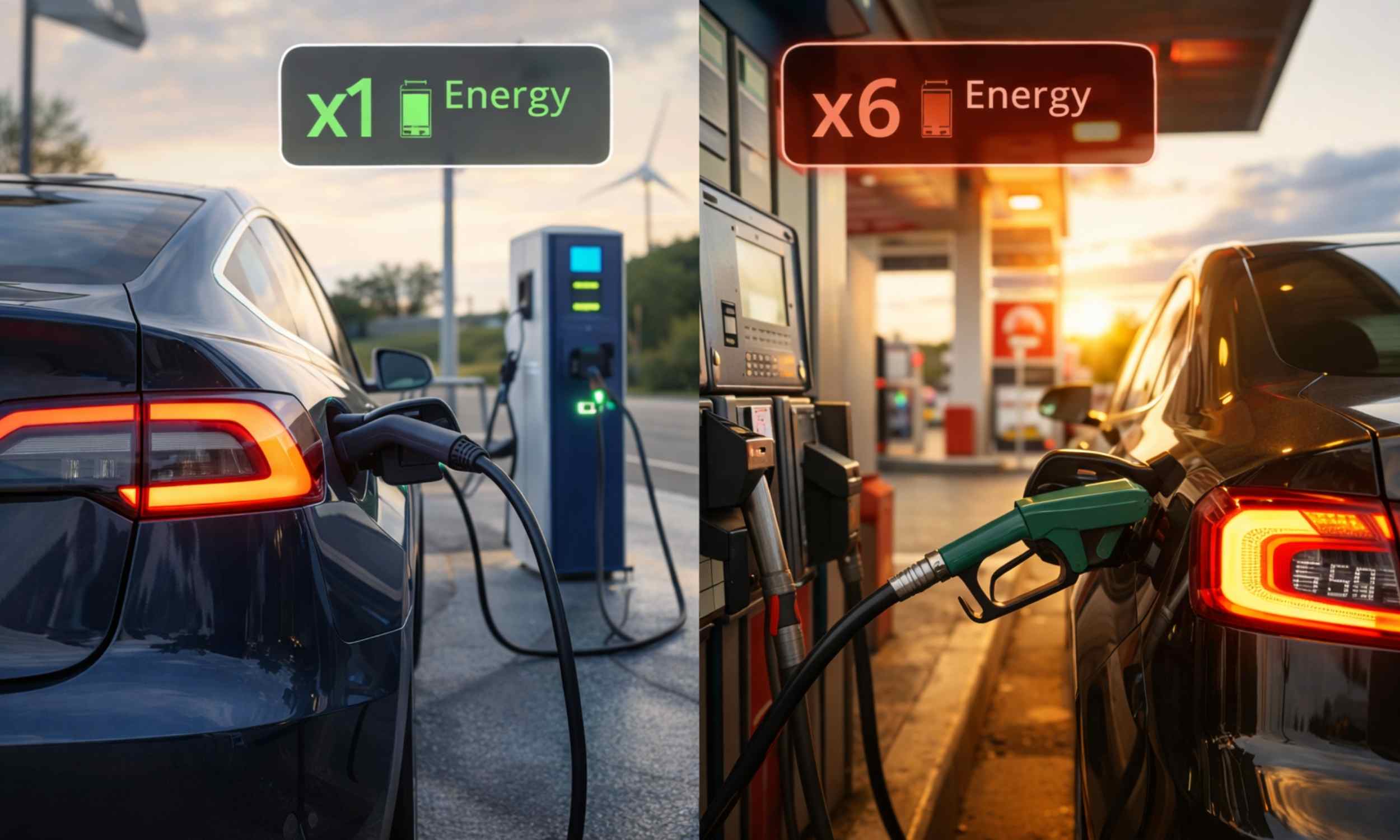
Water engines require a wholly different type of support than what is required for gasoline or even hydrogen fuel cells, making it possible that shooting water engine technology into the market will mean the complete overhaul of fuel stations and all related services.
The energy industry will also face dramatic shifts. The demand for oil and gas would reduce, impacting oil and gas companies and decreasing oil prices. On the other hand, there will be a rise in demand for renewable energy to get electrolysis done, benefiting any firm in wind, solar, and other green energy solutions providers.
Challenges and Considerations: Addressing Potential Obstacles
However, the following is a list of problems encountered in the water engine technology improvement process: The practicality of the electrolysis process and the robustness of the materials used in the engine are two areas.
This process’s efficiency and two areas of weakness that need improvement for future models. Scientists are solving these problems to make the engine as efficient and long-lasting as conventional engines and, in some cases, surpassing the latter.
Realizing water engines across society would need significant economic investment and political backing. Governments would have to develop policies that would encourage the use of this technology, something similar to what electric automobiles are currently benefiting from.
Furthermore, putting in place suitable structures for the supply of water fueling stations would attract the collaborative efforts of the public and private sectors.
Thus, the modified 15-litre water engine may be an example of radical innovation, acting upon the understanding of fuel and energy. Most of us are familiar with the use of fuels in our daily lives because they provide heat, electricity, and motion for our machines, vehicles, etc.; however, this technology is a great innovation and tender to put an end to fuels and join hand with water to conquer the world.
More hurdles need to be addressed, but they are worth fulfilling to ensure a less polluted future by pushing forward more of this kind of technology. While scholars and technologists are trying to polish and use this revolutionary hydrogen engine, the population across the globe is looking for improvements in the new generation of environmentally sustainable automobiles.