Sustainable mobility, according to some experts, has entered a phase that could be described as “experimental”. A team of scientists surprised this year by demonstrating it precisely with an engine that was predicted a century ago and runs on a fuel almost unknown in the world. It is better than EVs (in fact, they are already talking about their end, and Tesla is watching with concern). It is not American, nor is it German or Japanese, which accounts for the unexpectedness of this first prototype that has been presented.
100 years ago, this engine was predicted: Now it’s been built, and it’s just like that
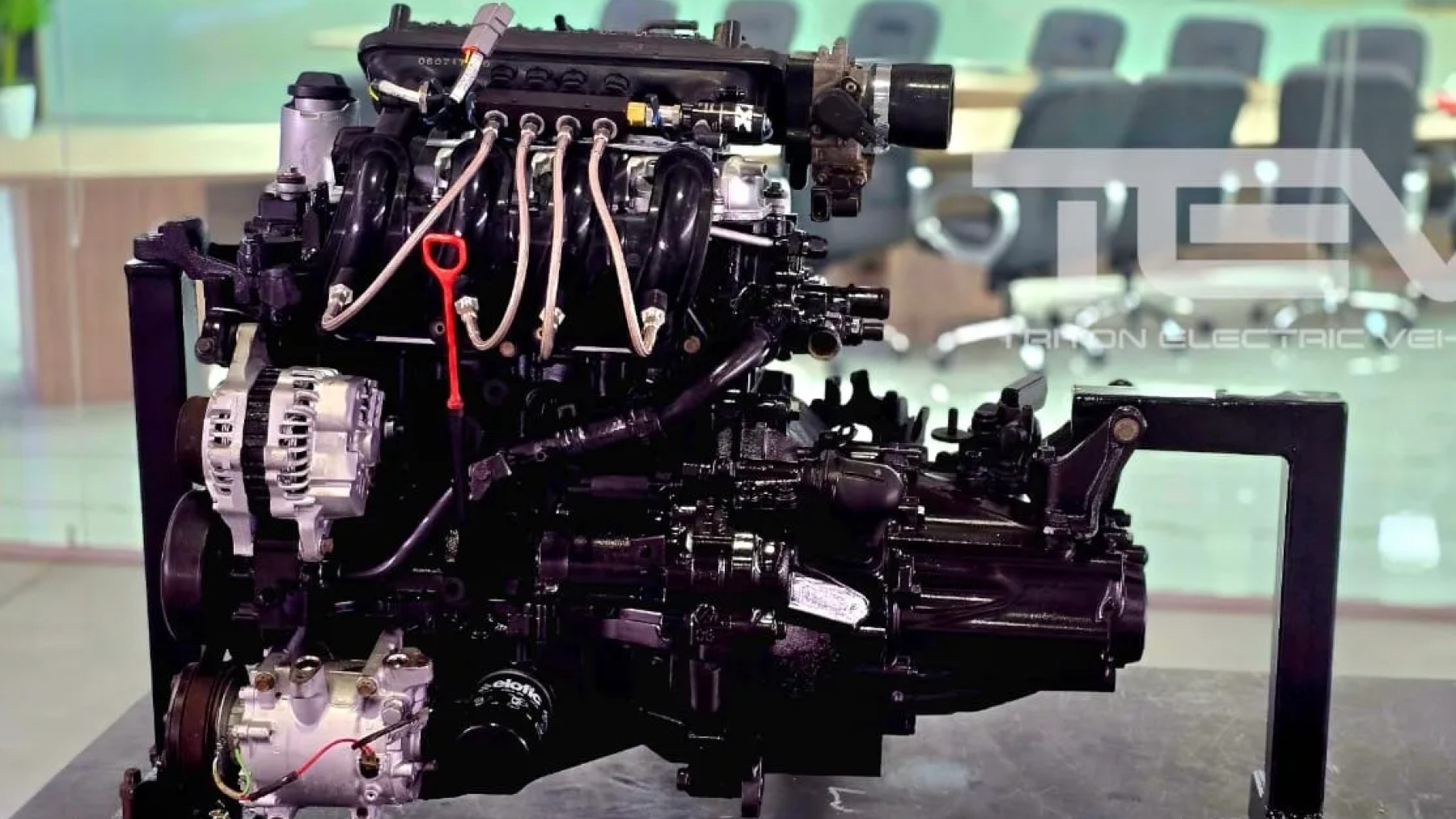
Triton EV had a recent exposure to the public, throbbing over the incorporation of a new technology called hydrogen internal combustion engine (HICE) that is new to the automotive industry. The hydrogen engine of the Triton EV works on the basic mechanism of internal combustion engines but is particularly configured for hydrogen.
The elaborate changes relate to systems of fuel injection and of ignition, and these have been tailored with a view to factoring in the peculiar nature of hydrogen.
- Zero Emissions: Hydrogen engine has the greatest strength when it comes to emissions; the amount of greenhouse gases emitted by the hydrogen engine is zero, leaving the exhaust emission as water vapor only.
- High Octane Rating: This means that the fuel to be used has a high octane rating, which can allow for higher compression ratios. This can in turn increase the power rating as well as the efficiency of the engines used in the machines.
- Energy Density: Hydrogen fuel is energy intensive, which implies that it produces more energy in comparison to other conventional fuels. This characteristic is vital to improving the general functionality of cars with hydrogen engines.
Triton EV’s hydrogen engine, in detail: Why it could be the future “running” only on steam
According to the company’s reports, Triton EV’s hydrogen engine is said to provide power output, if not more than what is produced by traditional internal combustion engines, and steady driving performance regardless of the road condition. For the small car, daily city car, highway cruiser, or full-on commercial-duty driver, this engine provides the horsepower and torque required.
However, other than the high standards of performance, the accent is placed on the durability and reliability of the engine, which are achieved by the use of new materials and high-technology production methods. The ideas presented here should aid in cutting down on frequent maintenance and boost the usefulness of this engine for the automotive market.
It won’t be as easy as it seems: India is having “problems” with its first hydrogen engine
Currently, Triton EV is interested in partnering with other vehicle manufacturers to popularize the use of its hydrogen engine equipment. Commercial and non-commercial vehicle makers can approach the company to obtain the hydrogen engine, as the company is willing to expand its outlets in the market.
Describing the work capability of this hydrogen engine as widely applicable, as it comprises not only managing carbon emissions but also reducing the price of trucks, Himanshu Patel, CMD of Triton EV, mentioned. This statement envisages the affordability of hydrogen engines, thus calling for the possibility of widespread adoption of sustainable transportation by consumers and business people.
What could be the first Triton EV hydrogen engine will still have to pass several tests (and we do not mean technical tests). The first is to demonstrate its viability and efficiency compared to those of Japan; the second is to overcome the fierce competition from brands such as Toyota or Yamaha; and the third is to develop a refueling and fuel production network in the country, which still does not have an adequate decarbonization strategy.