A group of carmakers has just revolutionized the mobility sector and demonstrated an idea that, until just a few years ago, we considered impossible. They have developed a sci-fi engine that should not exist. The reason? It is internal combustion, but non-polluting and, to top it off, it only emits water vapor and is 100% liquid, with the potential to say goodbye to EVs forever.
No more EVs with the first FCEVs from this legendary carmaker
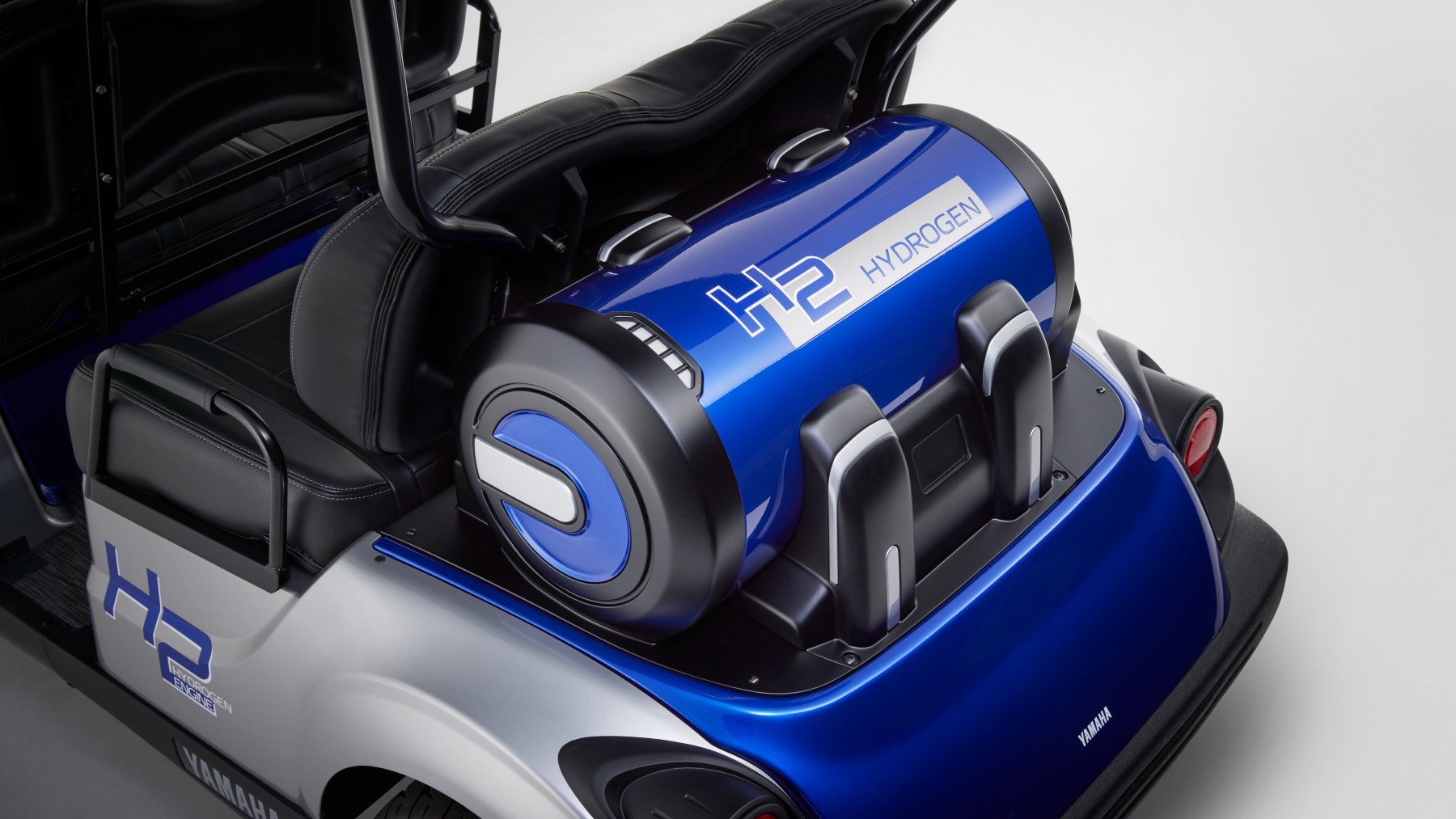
Yamaha Motors, a leading firm that has been at the forefront of creative ideas and real technological advancement in the recent past has unveiled the latest in new source of power, a hydrogen engine. The means for producing electricity in a Yamaha hydrogen engine are quite different from ICE in the following ways.
The electric motor in this creation differs from other standard engines, which are grounded on the use of gasoline or diesel fuels; this motor utilizes hydrogen energy, a clean source of energy that is freely available in nature.
Thus, by incorporating hydrogen as a fuel source, Yamaha’s engine releases no direct greenhouse emissions, which makes the utilization of this kind of engine more eco-friendly compared to most internal combustion engines.
Why is Yamaha hydrogen engine so different from other ones?
Here, it remains important to consider Yamaha’s hydrogen engine development strategy to be more niches as well as future-oriented. The engineers in charge of the company have therefore come up with a different approach and this include the necessary modification of ICE as they embrace the effects of hydrogen as a fuel.
This general configurative approach is one of Yamaha’s core design philosophies, as this technology focuses on integrating the relevant new part with existing engine structures. Instead, the company chooses to modify their existing engines to utilise hydrogen in a similar fashion to the traditional fossil fuel setup.
It also still enables them to build upon their pool of knowledge regarding the development of efficient engines and reduce the probability of having to overhaul numerous manufacturing processes and supply chains solely for their development.
Similarly, like for the engine, Yamaha’s engineers have also taken the aspect of versatility into consideration in the development of its hydrogen engine. Launching construction of the super efficient power plant with potential for developing a number of applications including use in motorcycles, outboard motors and generators.
The hydrogen engine that could change everything: Unique features for a FCEV
Some of the standout characteristic and technical attributes that make Yamaha’s hydrogen engine unique are its new and radical design is proposed to hold a unique combustion system in which hydrogen serves as the fuel. This has given it an edge in fuel availability and storage compared to the traditional fossil fuels.
However, one of the most interesting and exciting aspects of the engine is its versatility, in terms of the kinds of hydrogen-based fuel it can use, including compressed hydrogen gas or liquid hydrogen as the name might suggest, or hydrogen-carrier fuels like ammonia.
The combustion action of the engine is yet other ways constructed to produce efficiency with low emission levels. It uses a unique AI or advanced injection system that measures the exact quantity of hydrogen admitted into the combustion chamber to provide optimum air-fuel combination for efficient and complete combustion.
Nevertheless, there are certain objectives of fuel cell research which includes increasing the efficiency and the power density of hydrogen engines. What has been said so far indicates high efficiency achieved in the current prototype; however, there appears to be some space for further improvement.
This hydrogen engine could perhaps be the one to give even more impetus to a fuel that is going through a golden age (or rather, has just begun). The development of new prototypes, both European and Japanese, but not American, will lead to an accelerated expansion phase that will take space away from EVs, according to experts’ forecasts (which are still rather vague, all things considered).