While hydrogen engines have been making headlines for their innovative and futuristic designs, their is still more sinister news in the hydrogen sphere. The founder of hydrogen- and electric-truck manufacturer Nikola Motors Trevor Milton was arrested at the end of 2023 for his exaggerated and falsified claims about the zero-emission claims of their 18-wheel trucks. The arrest has cost investors thousands of dollars.
Hydrogen: the latest innovation in the automobile industry
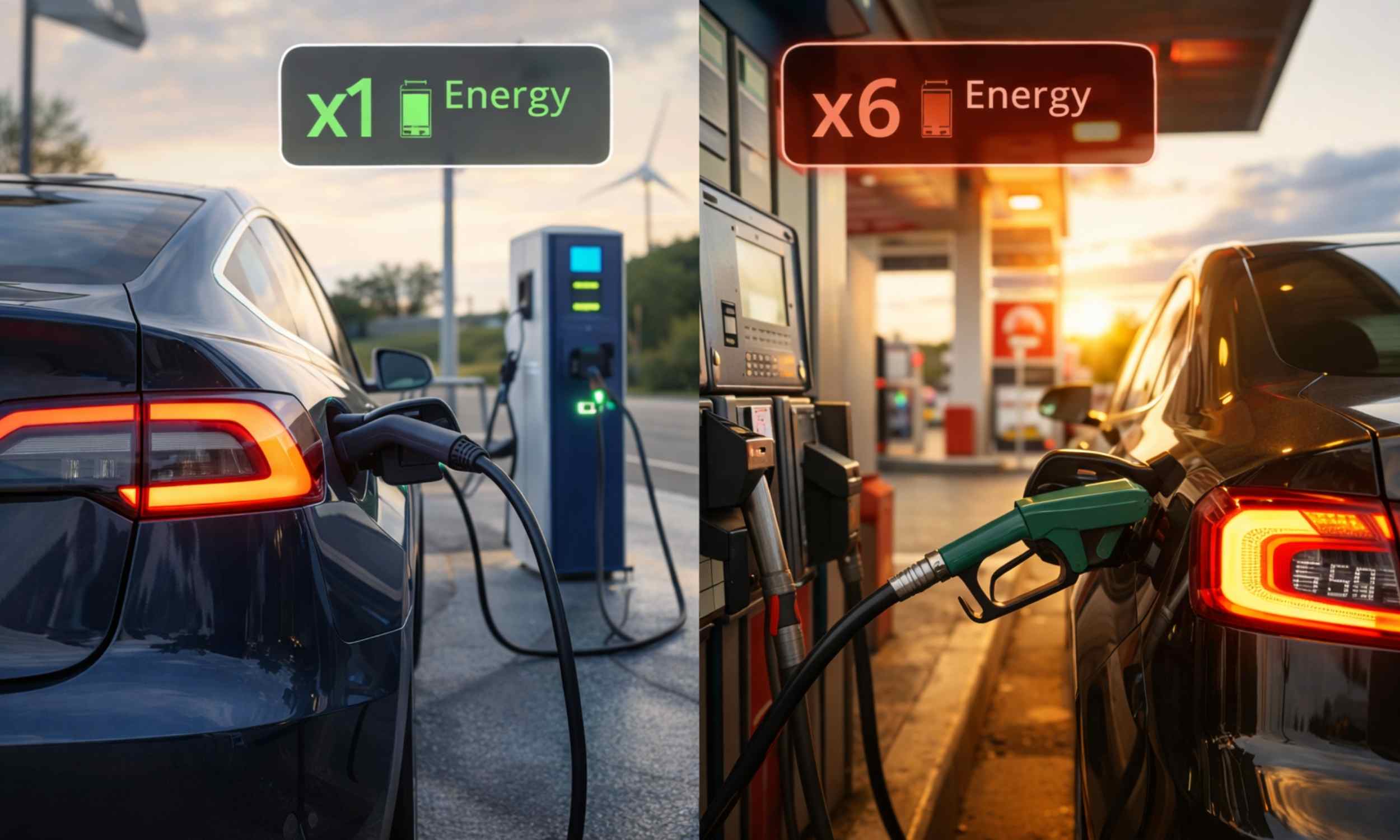
Hydrogen has been gaining traction for some time now. While electric vehicles and hybrids continue to dominate the alternative engine market, hydrogen engines are fast becoming viable alternatives for consumers. While electric vehicles have dominated the market due to their established infrastructure, lower operating costs, and rapidly advancing battery technology, hydrogen vehicles are gaining ground particularly in sectors that require longer driving ranges or quicker refueling times.
The key challenge for hydrogen engines has been the lack of widespread refueling infrastructure and the energy-intensive process of hydrogen production. However, advancements in hydrogen storage, fuel cell efficiency, and the construction of more refueling stations are helping to overcome these hurdles. What makes hydrogen so alluring is that its only byproduct is water. Provided that the hydrogen used in the engine is utilized from renewable energy sources, this makes it more clean than current electric vehicles.
Milton sentenced to four-years in prison and $1 million fine
Judge Edgardo Ramos sentenced the former CEO to four years in prison along with $1 million fine. “Over the course of many months, you used your considerable social media skills to tout your company in ways that were materially false,” the judge said, who also referenced the heavy losses suffered by investors, “what you said over and over on different media outlets was wrong.”
In 2020, whistleblower Hindenburg Research published a report stating that Milton’s former company’s success was “an intricate fraud” and based on “an ocean of lies”. They made references to numerous examples of fraudulent conduct by the company, including referring to incidences of the company showing a truck rolling downhill to give the impression it was cruising on a highway, and stencilling the words “hydrogen electric” on the side of a vehicle which was in reality powered by natural gas.
The allegations came just two weeks after Milton signed a $2 million partnership agreement with General Motors. “I obviously feel awful for all the resources and time this has caused everybody. I don’t think you can feel human without feeling terrible for everyone involved,” Milton said, “my intent was not to harm others.”
The false advertising of hydrogen and other alternative engines
The pervasive problem of false advertising for hydrogen and other alternative engines as “clean energy” is a significant issue that undermines public trust and slows down meaningful progress toward sustainable transportation. While hydrogen vehicles and other alternative powertrains like biofuels and synthetic fuels are often marketed as environmentally friendly solutions, the reality is more complicated.
The production of hydrogen itself can involve significant emissions. This is especially the case if it is derived from fossil fuels through a process known as “gray hydrogen.” Even when hydrogen is produced via cleaner methods like electrolysis, the energy used to power this process can still come from non-renewable sources which reduces the overall environmental benefit.
Similarly, some biofuels and synthetic fuels which are considered renewable still involve land use, water consumption, and other environmental impacts that are not always communicated clearly to consumers. The misleading claims of “zero-emission” or “clean” energy from these technologies can lead to confusion and a false sense of progress in combating climate change. As automakers and energy companies push for the widespread adoption of alternative engines, it’s critical that marketing accurately reflects the full environmental impact of these technologies so that consumers can make informed decisions and policymakers can create truly sustainable solutions.