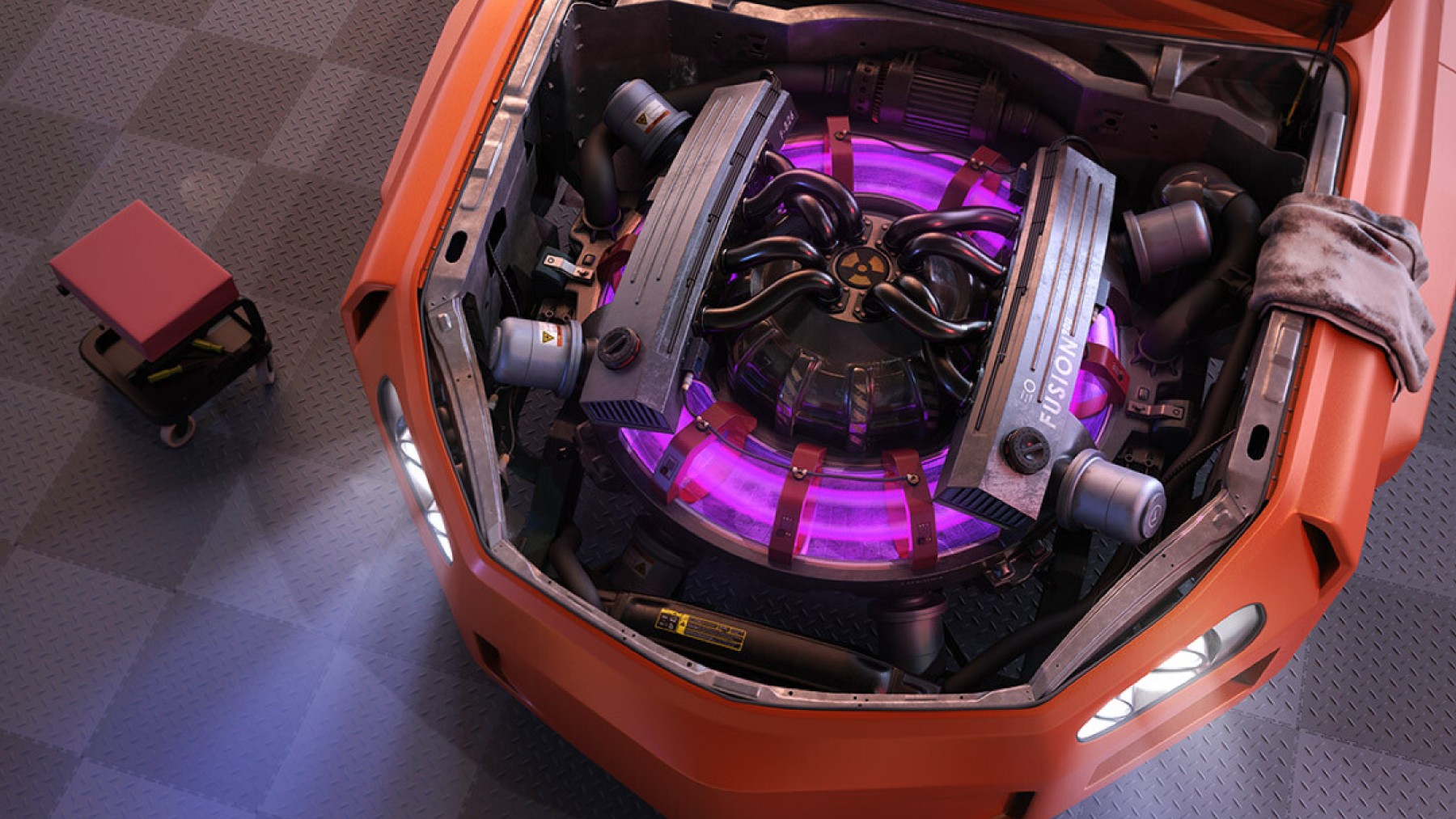
Hydrogen is by far the most renewable fuel we can use on the road. However, that doesn’t mean it’s the most innovative, let alone the latest we’ve discovered. Just a few months ago an invention was popularized that has scientists on tenterhooks: this is the first engine that runs on stars (as you read it, even if it sounds like science fiction).
New fuel to put an end to hydrogen? What has been recently discovered
The auto industry is following the pace of its transformation to meet the demand for appealing, and environmentally considerate vehicles. Green cars have been on the list of emerging technologies for a number of years now. Among them – fuel cell cars that discharge only water.
But, hydrogen has its own array of problems, which are related to production, distribution and storage. Now, a new technology is emerging that could eliminate the need for hydrogen altogether. Plasma thrusters create electrical ions causing gas to be fuel to fuel.
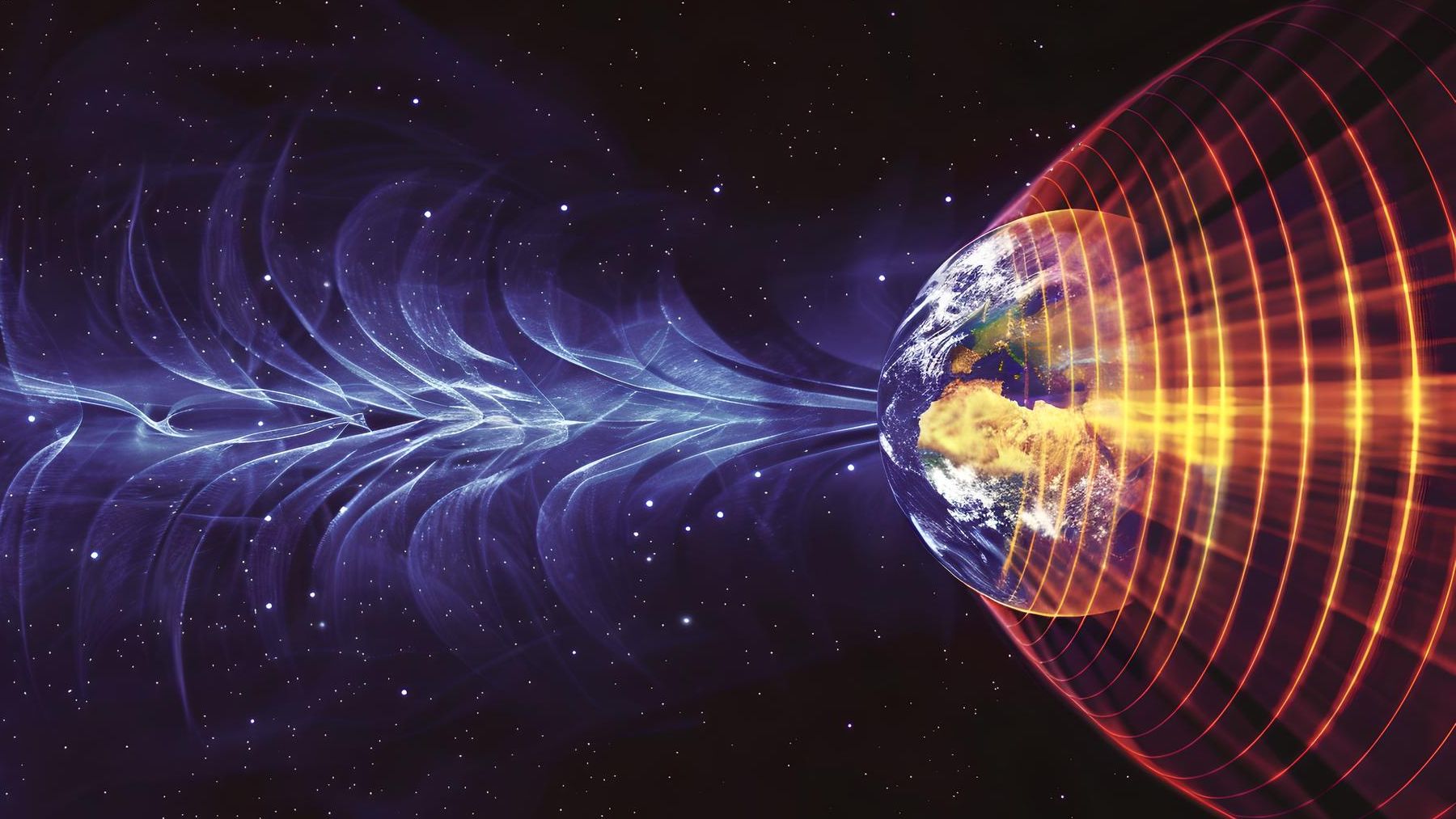
Plasma is made of charged particles that have been stripped of their electrons resulting in a gas called ionized plasma that is considered the fourth state of matter after solids, liquids, and gas according to scientists. It includes a flow of free moving electrons, that are, positive ions, and they are able to conduct electricity.
It takes place in real diet as in lightning and the aurora borealis. On the one hand, it is also man-made and is produced through heating and ionizing of a neutral gas, which results in the electrons being lost and the atoms being charged.
The fourth state of the matter, better than hydrogen: why is it so special?
Plasma engines are an entirely new engine concept that does not follow the pattern of the traditional combustion engines. The combustion chambers have been replaced by coils that generate an arc by extraction of an electric arc between two electrodes, which heats the gases between them to a plasma stage.
Through such process, the plasma immediately expands causing a flame front which then burns the energy in the fuel-air mixture in the cylinder. This spark gap ignition system, with its arc power, offers the following benefits over spark plugs, among which are incredibly fast starting.
In addition to this, both the temperature and flame front speed is higher than the temperature and the flame front speed produced by the flame. This increases the chances of even burning, which in turn reduces fuel wastage. Furthermore, the lifespan of the electrodes producing the arc is almost constant.
Ultimately, plasma ignition may be described as a method of for the ignition of fuels which is used in internal combustion. It is reduced to spark plugs to fuel combustion, thus the engine workflow is made smooth and efficient. Regarding this technology, the relatively quick opportunities to implement it could change car industry.
Could there be a plasma engine soon? What we know about from now on
Plasma engines are successful as they employ unique, effective mechanisms compared to the conventional combustion designs. Among the most important is arguably plasma ignition that will provide thermal combustion ever to be seen on the planet.
These engines can produce plasma spark of sufficient energy so that even leaner fuel mixtures can ignite in extremely high efficient way than what standard spark plugs could ever do. This very specifically means utilizing the lean gas, which directly converts into the efficient burning of fuel and emissions reduction.
Elevated temperature of the plasma additionally provides more progressive injecting fuel and an oxidizer through mixing. Therefore, fuel burns a lot slower, and the energy released through complete combustion can be extracted instead of dissipating through incomplete burn.
A plasma engine like this could be the solution to rival hydrogen and put an end to EVs, although we don’t know if it will be that much. The high cost of this fuel and its instability make us banish it only for space rockets, although it remains to be seen whether it will simply stay there. Scientists are optimistic, so this is already an indication that they intend to do something.