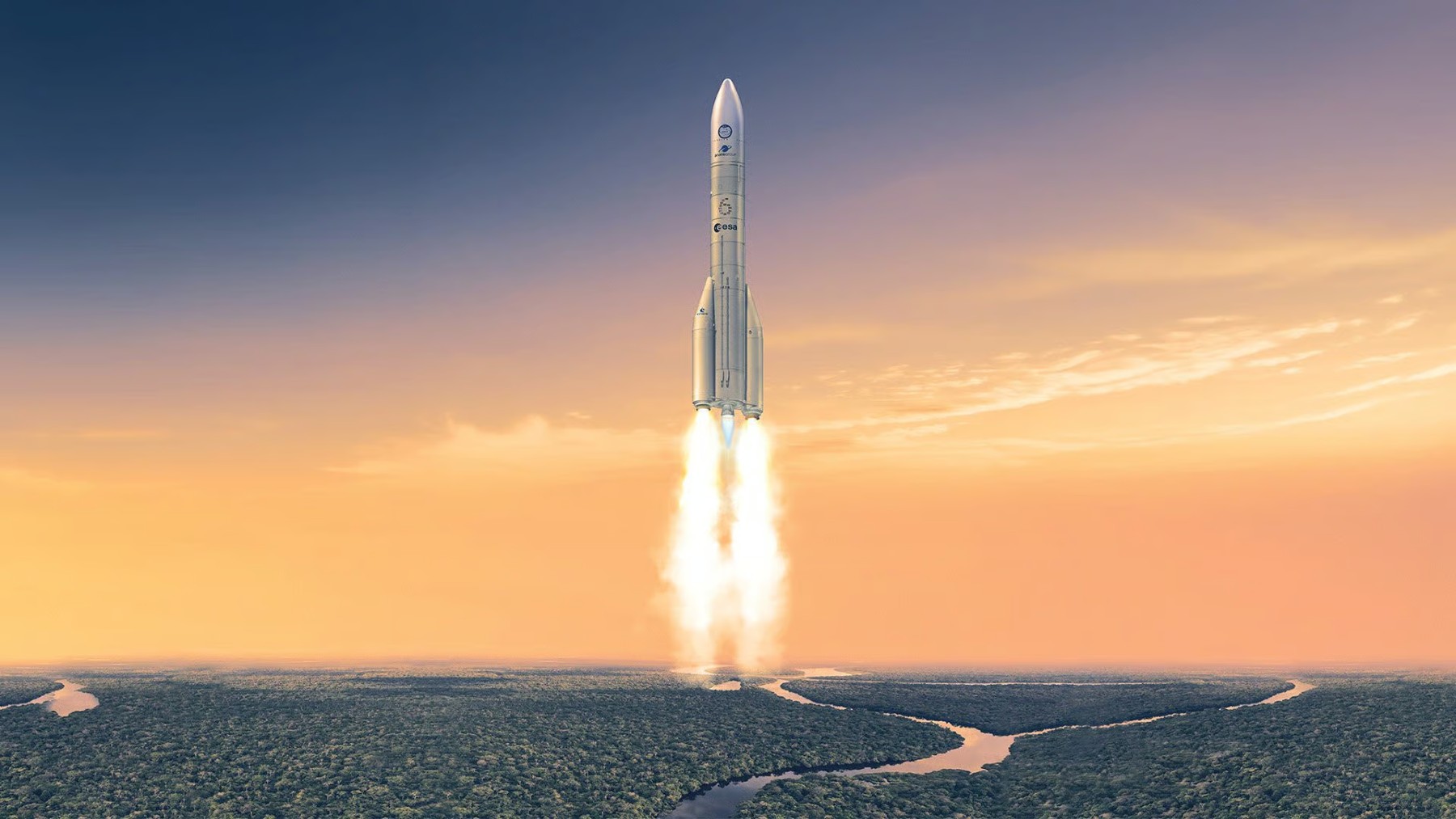
As civilization explores the universe, the necessity for environmental technologies in space increases. Both the French Space Agency (CNES) as well as the European Space Agency (ESA) are tackling this necessity with a spectacular $40.5 million initiative at the Guiana Space Centre to generate hydrogen through electrolysis which are solar-powered. This project signifies a major change in the industry of rocket fuel as the Ariane 6 rocket advances its original flight.
Fueling Ariane 6: CNES and ESA invest in ecological hydrogen generation
Usually, hydrogen generation at the Guiana Space Centre depended on steam reforming of methanol, a technique which, while effective, produces greenhouse gases such as carbon dioxide along with carbon monoxide. Nevertheless, with the increase of solar technology, both the ESA as well as the CNES have initiated Project Hyguane, concentrating on employing renewable energy for the generation of hydrogen.
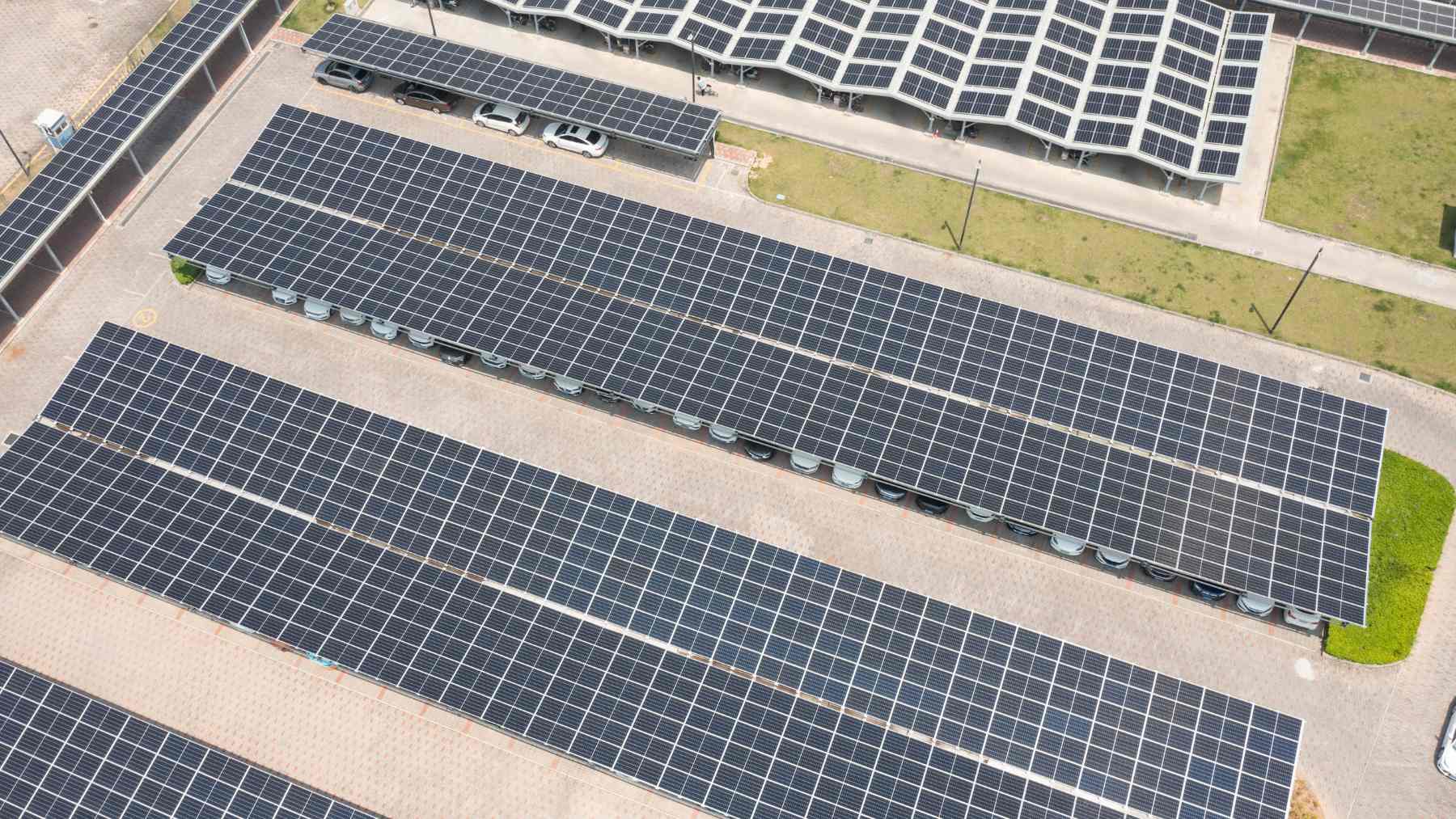
The development requires constructing a solar farm together with the required infrastructure to enable electrolysis, a procedure that separates water into hydrogen as well as oxygen utilizing electricity. The dedication of finances is supported by extra assistance from the French Environment and Energy Management Agency (ADEME) who have promised €10 million to the project.
The establishment, one running, is presumed to provide 12% of the hydrogen required for the yearly nine flights of the Ariane 6 efficiently decreasing more than 3,000 tonnes of carbon dioxide emissions annually. Not only does this sustainable method fit in with global attempts to fight climate change it also sets an example for ecological practices in the exploration of space.
Created for various space assignments: Ariane 6 modifying latest frontiers
In the Ariane rocket lineup, the Ariane 6 is the current development, following the Ariane 5. Engineered for adaptability, the Ariane 6 is expected to manage a wide variety of assignments, right from initiating satellites into the low-Earth trajectory to transporting payloads on space exploration assignments which are deep.
Accompanied with a height of 56 m – 62 m, based on its setup, the Ariane 6 is higher than the Leaning Tower of Pisa and the weight if it is around 900,000 kg when it is completely loaded. The characteristic of the rocket is a component-based structure, allowing there to be two different models customized to assignment needs: the Ariane 62 as well as the Ariane 64.
Two P120C solid rocket boosters are utilized by the Ariane 62, whereas there are four solid rocket boosters used in the Ariane 64 which offers improved drive for larger payloads. The Vulcain 2.1 engine, fuels the rocket’s core, which is the main stage while using liquid oxygen together with hydrogen to produce an impressive 138 tonnes of drive. The Vulcain 2.1 engine is a noteworthy upgrade from its forerunner, integrating progressive welding methods as well as materials to improve performance while decreasing total weight.
Increasing effectiveness: Ariane 6’s advanced green design
An exciting characteristic of the Ariane 6 is the design which is reusable. Once the Ariane 6 is done with its assignment, the main stage disconnects from the upper stage After completing its mission, the main stage separates from the upper stage, that remains circling the payload.
Fueled by the new Vinci Engine, the upper stage of the Ariane 6, can restart numerous times, enabling enhanced adaptability in implementing payloads to numerous orbits. With this design, space waste is reduced, and effectiveness is amplified, this design minimizes space debris and maximizes efficiency, turning it into a fundamental progress in rocket technology.
The covering of the rocket, which is made carbon-glass fiber combination, provides a light but strong solution for the protection of payloads during takeoff. The design of the covering facilitates adaptability in assignment size, obliging multiple payload setups. With lesser parts in the construction, the formation procedure becomes a lot more effective, substantially decreasing expenses along with production time.
The alliance between the ESA, together with the CNES, as well as other associates to generate sustainable hydrogen production amenities represents a key milestone toward ecological space travel. With Ariane 6 ready to take off these advancements sets the stage for future assignments, encouraging a cleaner, greener tactic to investigating the ultimate frontier.